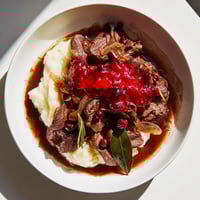
 Save
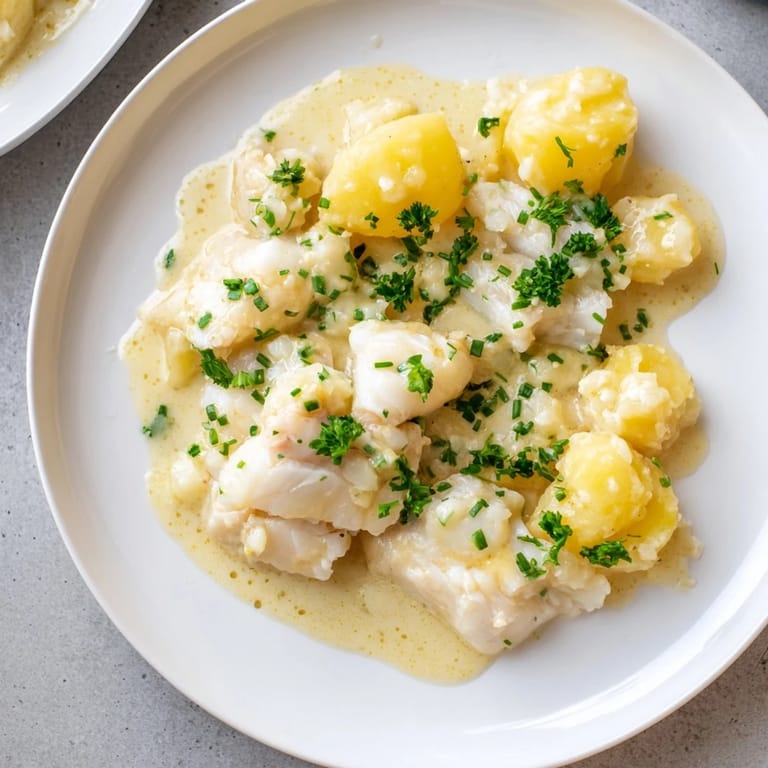
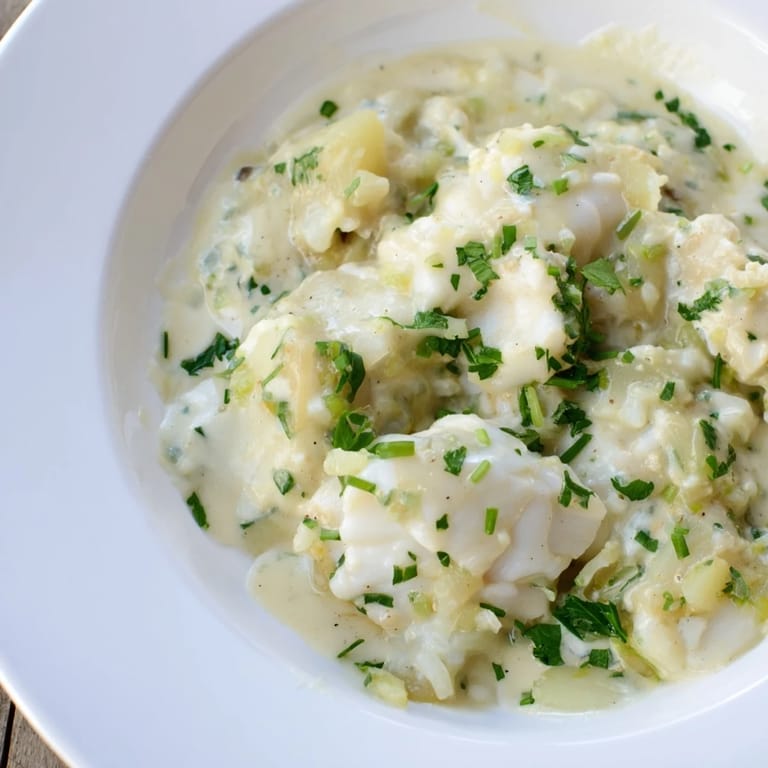
Save There's something about a bowl of creamy fish stew that stops time on a grey afternoon. I discovered this Icelandic comfort classic on a trip to Reykjavik, where I watched a local cook in a small café stir a pot with such quiet confidence that I knew I had to learn her secrets. The way the butter and cream wrapped around tender flakes of cod, the potatoes almost melting into the broth—it felt less like cooking and more like being wrapped in a warm blanket. That moment taught me that sometimes the simplest dishes carry the most emotion.
I made this for my roommate on a night when she'd had one of those weeks, the kind where everything feels a little too heavy. I remember her taking the first spoonful and then just sitting quietly with the bowl warming her hands, not saying much but not needing to. Food doesn't always need conversation—sometimes it just needs to show up.
Ingredients
- Cod or haddock fillets (500 g): Fresh white fish is the heart of this stew; the gentle poaching keeps it tender instead of tough, and the cooking liquid becomes liquid gold for your broth.
- Butter (60 g): Don't skip this—it's what transforms the onions into something silky and builds the foundation of flavor that everything else rests on.
- Whole milk (500 ml): The bulk of your creaminess comes here; it keeps the stew gentle and approachable rather than heavy.
- Heavy cream (100 ml): Just enough to push the texture over into genuinely luxurious territory without making it feel indulgent.
- Potatoes (500 g): Waxy potatoes work best here because they hold their shape instead of dissolving into mush—though a few chunks breaking down is exactly the point.
- Medium onion: Finely chopped onion becomes almost invisible as it melts into the broth, bringing sweetness and depth.
- Fresh parsley and chives: These aren't just garnish; they're the brightness that cuts through the richness and reminds you why this tastes so alive.
- Bay leaf: Adds a subtle herbal note that whispers in the background rather than shouting.
- Salt and white pepper: White pepper blends more subtly than black, keeping the stew visually clean and the flavor understated.
- Nutmeg (pinch, optional): A tiny whisper of warmth that you'll only notice if you're paying attention—which you will be.
Tired of Takeout? 🥡
Get 10 meals you can make faster than delivery arrives. Seriously.
One email. No spam. Unsubscribe anytime.
Instructions
- Get your potatoes going:
- Dice them into bite-sized pieces and drop them into salted boiling water. You're aiming for tender but not falling apart, usually 12–15 minutes, which gives you time to handle the fish.
- Poach the fish gently:
- Cover your fillets with cold water, add a bay leaf and pinch of salt, then bring it to a gentle simmer. You want lazy bubbles, not a rolling boil—this keeps the fish silky. After 6–8 minutes, the flesh should flake apart easily; save about 100 ml of that poaching liquid like it's liquid treasure.
- Build your base:
- Melt butter in your pot over medium heat and let the chopped onion swim in it until it's soft and pale, about 5 minutes. This is where the magic starts.
- Mash thoughtfully:
- Add your drained potatoes and give them a gentle mash with a potato masher—you want texture, not purée. Some people aim for half mashed and half chunky; I say trust your instincts.
- Bring it together:
- Flake the fish into generous pieces and add it to the pot with that reserved poaching liquid. Stir gently so nothing breaks apart further.
- Make it creamy:
- Pour in the milk and cream, then cook over low heat, stirring often, until everything is heated through and silky. This takes about 5–8 minutes, and you're listening for it to go quiet—no aggressive bubbling.
- Season with intention:
- Taste as you go. Add salt, white pepper, and that optional whisper of nutmeg. Stir in half of your fresh herbs and save the rest for the bowl.
- Serve and finish:
- Ladle into warm bowls and scatter the remaining parsley and chives on top. If you have dark rye bread and butter nearby, that's the perfect companion.
 Save
Save There's a moment when you taste this stew for the first time and realize you've found something that feels both foreign and deeply familiar. That's when it stops being just a recipe and becomes something you'll make again and again, always a little differently, always exactly right.
The Icelandic Kitchen Philosophy
Icelandic cooking doesn't shout about itself. It whispers. It takes what's available—fish from cold waters, potatoes from the earth, dairy from hardy animals—and lets each ingredient speak quietly without overshadowing the others. This stew embodies that philosophy perfectly: every element matters, but nothing dominates. When you cook this, you're not trying to impress anyone; you're trying to nourish someone. There's a huge difference, and your guests will taste it.
Variations That Work
Once you've made this a few times and it feels natural in your hands, you can start playing. Some people add a splash of aquavit for an authentic Icelandic twist (just a small pour, nothing brave). Others mix their fish—adding salmon or halibut alongside the cod creates complexity. You can also swap the cream for more milk if you want it lighter, or add finely diced carrots if you need a vegetable boost. The structure of the stew is forgiving enough to handle your creativity as long as you keep the core technique intact.
Why This Stew Matters More Than You'd Think
In Iceland, this stew exists in home kitchens not because it's trendy but because it's necessary. It's what you make when it's cold outside and warmth is currency. It's what tells people you're thinking of them. Making it teaches you something about cooking with intention rather than speed, about letting flavors develop instead of rushing them. The beauty is in the patience.
- Serve it in warm bowls so the stew stays hot from the first spoonful to the last.
- If you make extra, it keeps beautifully in the fridge for three days and tastes even better reheated gently.
- Dark rye bread isn't optional if you want the full experience—it's the vehicle that lets you soak up every drop.
 Save
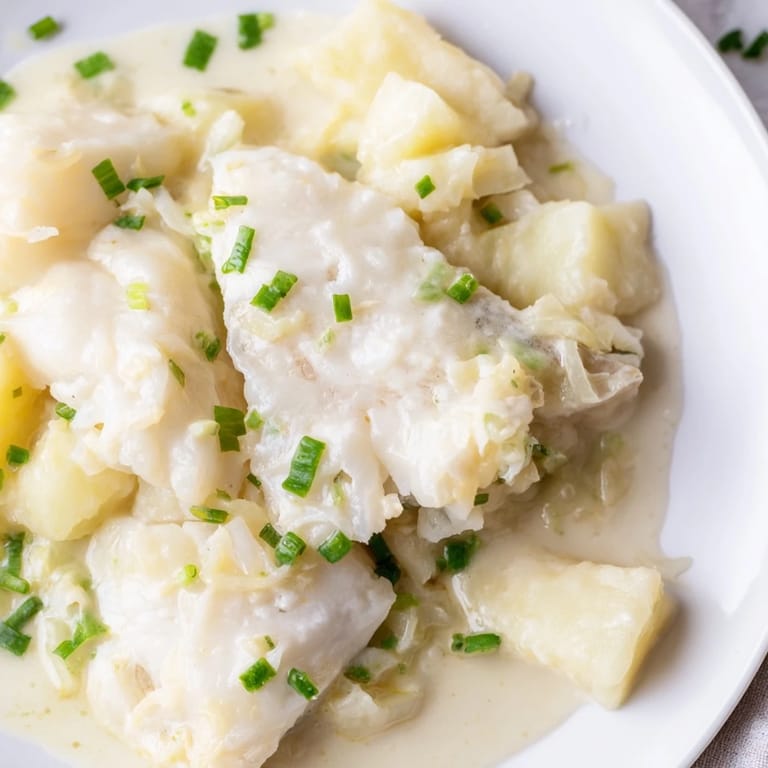
Save This is the kind of recipe that becomes more yours the more you make it, and that's exactly how it should be. Make it with care, serve it with love, and watch what happens.
Recipe FAQs
- → What type of fish works best?
Cod or haddock fillets are ideal for their mild flavor and flaky texture after poaching.
- → Can this stew be made without cream?
Yes, using only milk creates a lighter, less rich stew while maintaining creaminess.
- → How to achieve the perfect potato texture?
Boil peeled, diced potatoes until tender but not mushy, then gently mash with some chunks left for texture.
- → What herbs complement this dish?
Fresh parsley and chives add a bright, mild herbal note that balances the creamy base.
- → Can I use smoked fish instead?
Yes, incorporating smoked fish enhances the depth of flavor, giving a smoky twist to the stew.