 Save
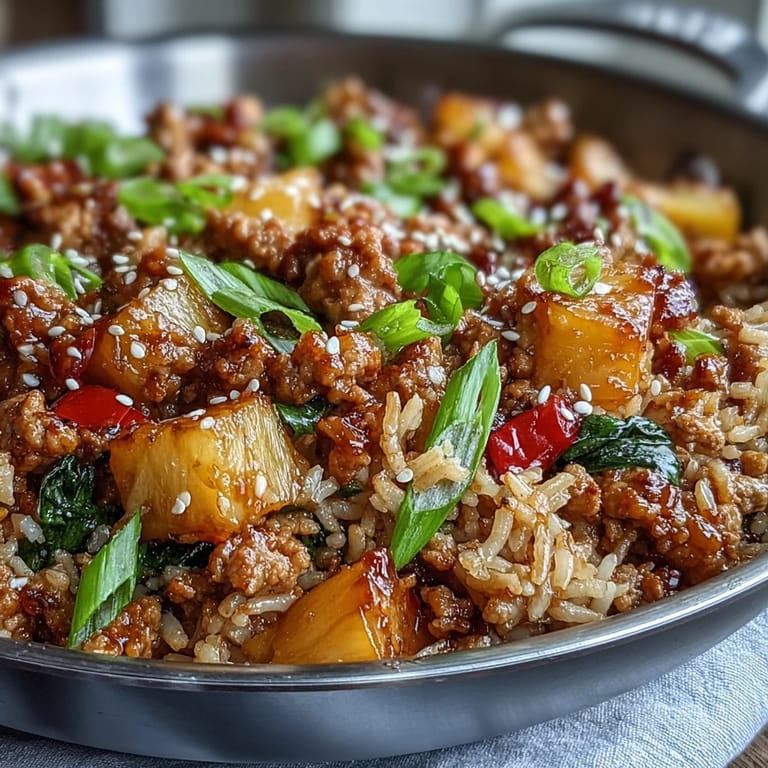
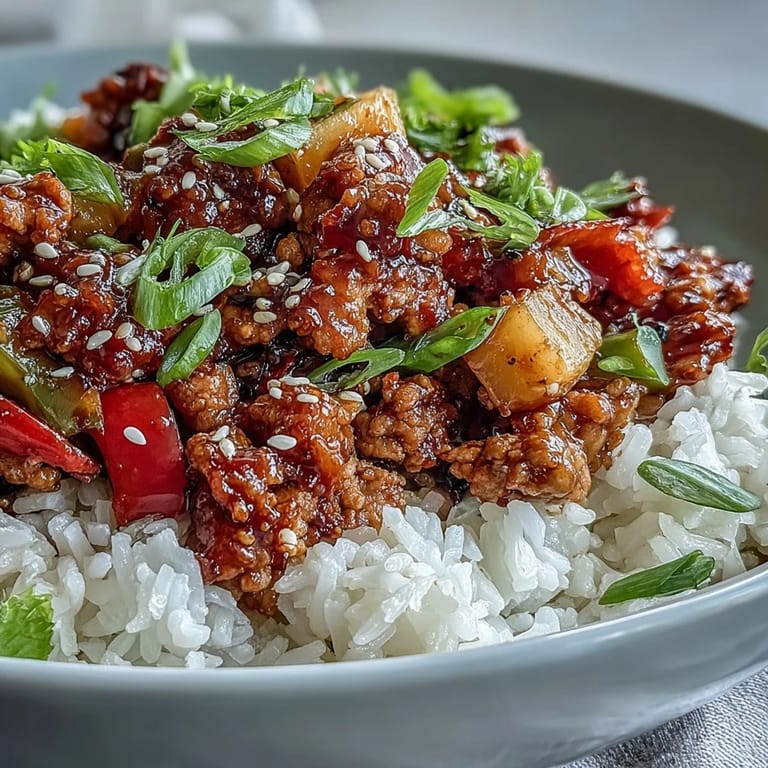
Save My kitchen smelled like a Korean fusion dream the first time I made this, except I'd accidentally grabbed the wrong vinegar and spent five minutes wondering why everything tasted so sharp. That misstep led me to this version, which balances the spice of gochujang with sweet pineapple in a way that somehow makes everything feel both comforting and exciting. Ground turkey might seem plain on its own, but tossed into a skillet with that umami-rich sauce and tropical fruit, it transforms into something that tastes way more impressive than the thirty-ish minutes it takes to make. My partner came home mid-way through cooking and the aroma alone got them hovering by the stove, asking questions. Now it's become our go-to when we want something that feels restaurant-quality but doesn't require a fancy technique or endless prep.
I made this for my mom on a Tuesday night when she was stressed about work, and watching her face light up at that first bite reminded me that food doesn't need to be complicated to be meaningful. She kept saying it tasted like the Korean takeout place down the street but somehow fresher, and asked for the recipe before she'd even finished eating.
Ingredients
- Ground turkey: One pound gives you enough protein to keep everyone satisfied without the heaviness of beef, and it soaks up those bold flavors beautifully.
- Yellow onion and bell peppers: The trio of vegetables builds sweetness and texture, with the peppers staying crisp if you don't overcook them past that tender stage.
- Fresh or canned pineapple chunks: If using canned, drain them really well or you'll end up with a watery sauce, but fresh pineapple adds a brightness that feels almost tropical.
- Garlic: Mince it fine so it distributes evenly and adds subtle depth without overwhelming anything.
- Day-old jasmine or long-grain rice: This is a game-changer because fresh warm rice will get mushy; cold or room-temperature day-old rice stays separate and fluffy when you toss it in.
- Gochujang: This Korean chili paste carries the entire flavor profile, so don't skip it or substitute with generic hot sauce, which tastes completely different.
- Soy sauce, rice vinegar, brown sugar, ketchup, and sesame oil: Together these create that signature sweet-sour-umami sauce that makes everything sing, so measure carefully.
- Green onions and sesame seeds: These are your garnish moment, adding freshness and a little textural contrast that makes the dish feel finished.
Tired of Takeout? 🥡
Get 10 meals you can make faster than delivery arrives. Seriously.
One email. No spam. Unsubscribe anytime.
Instructions
- Brown the turkey first:
- Heat your oil over medium-high heat and let it get just barely shimmering before adding the ground turkey, breaking it up as it cooks until no pink remains, about five to six minutes. This step builds flavor through browning and ensures the meat won't taste steamed or bland.
- Sauté the vegetables:
- Once the turkey is done, add your diced onion, bell peppers, and minced garlic, stirring every minute or so for about four to five minutes until the vegetables soften slightly but still have some bite. You'll know it's perfect when the onion becomes translucent and your kitchen smells like a Korean restaurant kitchen.
- Introduce the pineapple:
- Stir in those pineapple chunks and let them warm through for just a minute or two, which brings out their sweetness without making them mushy. The fruit releases subtle juices that start mingling with the other flavors.
- Make the sauce magic:
- In a small bowl, whisk together soy sauce, gochujang, rice vinegar, brown sugar, ketchup, and sesame oil until smooth, then pour it straight into the skillet and stir everything together so every ingredient gets coated. You'll watch the sauce darken and smell something incredible happening.
- Fold in the rice:
- Break up any clumps in your cooked rice and add it to the skillet, tossing everything together for two to three minutes until the rice heats through and absorbs those flavors. This is when the whole dish comes alive, transforming from separate components into one cohesive, crave-able meal.
- Taste and season:
- Take a spoon, taste a bite, and adjust salt or heat as needed because every stove runs different and everyone's palate varies. If you want more punch, add extra gochujang or a pinch of red pepper flakes.
- Finish and serve:
- Remove from heat, scatter those sliced green onions and sesame seeds on top if you're using them, and serve immediately while everything is hot and the rice is still fluffy. The garnish adds freshness and a professional touch that makes people think you worked way harder than you did.
 Save
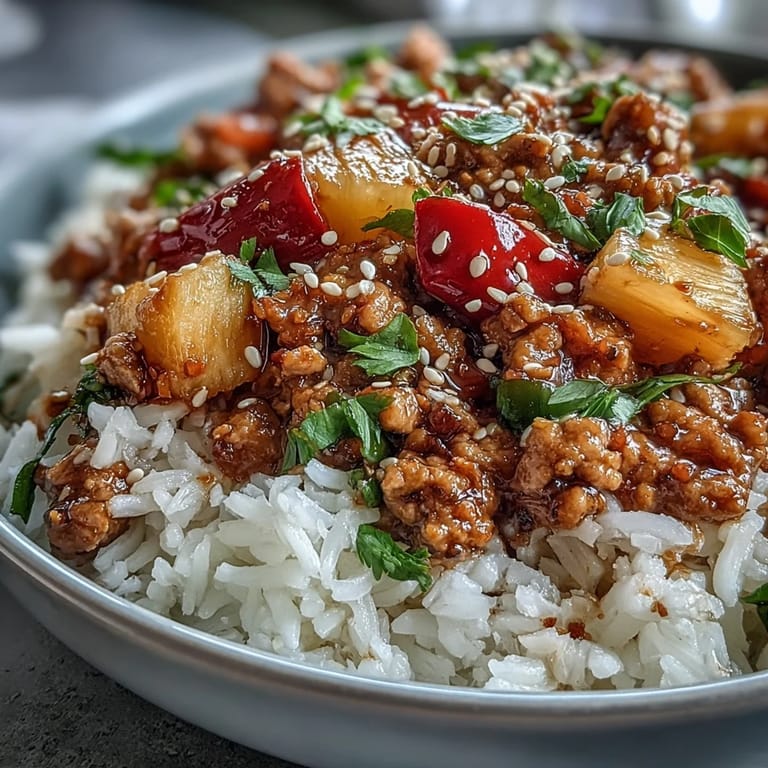
Save There's something about serving this to people and watching their surprise that ground turkey can taste this delicious that never gets old. It became the meal I reach for when I want to impress someone without stressing, and that ease has made it a regular rotation in our kitchen.
The Secret Behind the Sauce
The magic isn't actually any single ingredient but the balance of sweet, sour, salty, and spicy all working together at the exact same time. I spent weeks tweaking ratios until I realized that gochujang isn't just a heat source, it's carrying umami and depth, so you don't need a ton of it to make an impact. Brown sugar adds sweetness without making it cloying, ketchup provides tomato notes and more subtle sweetness, and rice vinegar brings brightness without the harsh edge of regular vinegar. The combination tastes familiar enough that people recognize it as sweet-and-sour but different enough that they keep asking what the secret ingredient is, and the answer is always a little bit of everything working in harmony.
Protein Swaps and Variations
While ground turkey was my starting point, I've learned that ground chicken works beautifully if that's what's in your fridge, though it needs the same browning time and won't add quite as much richness. Ground pork brings more depth and a bit of savoriness that some people prefer, though it's slightly higher in fat so you might want to drain off a bit after browning. The sauce itself is flexible enough that you could even do cubed tofu or extra vegetables if you're going meatless, just adjust your cooking time so everything reaches the right tenderness.
Make It Your Own
The beauty of this skillet meal is that it adapts to what you have on hand and what your palate loves, so don't treat the recipe as gospel if you're drawn to something different. I've added cashews for crunch, used mango instead of pineapple when that's what was ripe, and even stirred in a handful of spinach at the end for a vegetable boost that no one seemed to mind. The sauce is forgiving enough that small substitutions don't derail the whole thing, so trust your instincts and have fun with it.
- Fresh pineapple tastes brighter than canned, but canned works perfectly fine if that's more convenient or economical for your situation.
- If you can't find gochujang, don't use sriracha as a one-to-one swap because the flavor profile shifts dramatically, but you could use a mix of hot sauce and a little miso paste in a pinch.
- Serving this over cauliflower rice or with lettuce wraps makes it work for different dietary preferences while keeping all that incredible flavor intact.
 Save
Save This dish has become proof in my kitchen that the best meals don't require fancy equipment or hours of fussing, just thoughtful flavors and a little bit of attention. Make it for someone who needs feeding, or make it for yourself on a night when you deserve something delicious and easy.
Recipe FAQs
- → Can I use freshly cooked rice instead of day-old?
Freshly cooked rice can work, but may become sticky. For best results, spread cooked rice on a baking sheet and refrigerate for at least 2 hours before using to dry it out slightly.
- → What can I substitute for gochujang?
Sriracha or red pepper flakes mixed with a little miso paste can mimic the heat and depth. For a milder version, use additional tomato ketchup with a pinch of cayenne.
- → Is this dish freezer-friendly?
Yes! Cool completely and store in airtight containers for up to 3 months. Thaw overnight in the refrigerator and reheat in a skillet with a splash of water.
- → How can I make this dish spicier?
Increase gochujang to 2 tablespoons, add red pepper flakes, or incorporate sliced fresh chili peppers during the vegetable sauté step.
- → Can I use brown rice instead of white?
Absolutely! Brown rice adds nutty flavor and extra fiber. Cook it a bit longer when combining with other ingredients, as it's denser than white rice.
- → What vegetables work well in this skillet?
Beyond bell peppers, try snap peas, carrots, broccoli florets, or water chestnuts for crunch. Adjust cooking times accordingly so vegetables stay tender-crisp.