 Save
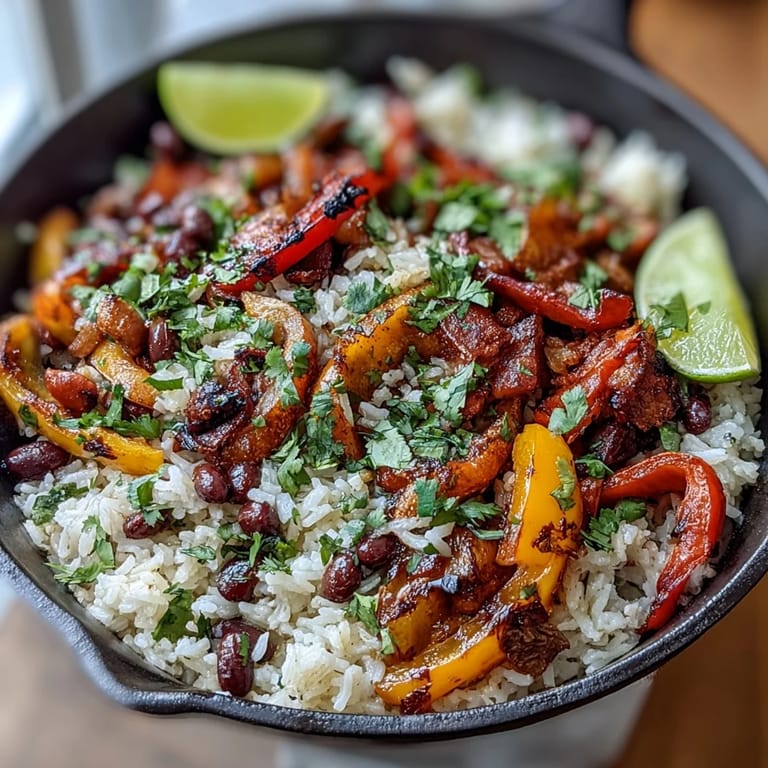
Save There's something about the sizzle of peppers hitting a hot skillet that makes you feel like you're actually cooking something impressive, even on a Tuesday night when you've got twenty minutes and zero energy. I discovered this one-pan fajita rice situation almost by accident—I'd been staring at half a red onion, some sad bell peppers, and a can of black beans, wondering if they could become dinner, and somehow they transformed into this vibrant, smoky bowl that made my kitchen smell like a proper celebration. The best part is that it's genuinely foolproof, and nobody has to know you basically threw everything into one pan and let it do the work while you sat nearby with tea.
I made this for my roommate on a night when she'd had a rough day at work, and watching her face soften after that first bite—when the cilantro and lime brightened everything up—reminded me that sometimes the simplest meals carry the most weight. She asked for the recipe immediately, and now it's her default when she needs to feel like she's taking care of herself without overthinking it.
Ingredients
- Red, yellow, and green bell peppers: The color isn't just pretty—each pepper brings slightly different sweetness, and cooking them together creates this natural complexity that single-color batches never quite achieve.
- Red onion: It softens into something almost caramel-like when given a few minutes in heat, adding sweetness that balances the spice.
- Garlic and jalapeño: Garlic is non-negotiable for depth; the jalapeño is your choice based on how much heat makes you happy, and honestly, it's better to add it than to regret not doing so.
- Long-grain white rice: It stays fluffy and separate rather than clumping, which keeps the whole dish from feeling dense.
- Black beans: Rinsing them removes excess sodium and starch, giving you cleaner flavor and better texture throughout.
- Diced tomatoes with juices: The juices are liquid gold—they add acidity and moisture that keeps the rice from drying out while cooking.
- Vegetable broth: This is where the actual flavor lives, so use something with character rather than the blandest option on the shelf.
- Cumin, smoked paprika, chili powder, coriander, and oregano: Together they create that unmistakable fajita warmth—using ground spices rather than whole seeds means the flavor blooms faster and more evenly.
Tired of Takeout? 🥡
Get 10 meals you can make faster than delivery arrives. Seriously.
One email. No spam. Unsubscribe anytime.
Instructions
- Build your flavor base:
- Heat your skillet over medium heat and add a splash of olive oil or water, then add the onions and peppers. Let them sit for a couple minutes without stirring—this creates those browned edges that taste like caramelization and comfort. After 4 to 5 minutes of occasional stirring, they'll soften and look genuinely appetizing.
- Wake up the spices:
- Once the garlic and jalapeño go in and you give it about a minute, add all your spices at once. Stir constantly for those 30 seconds or so until the kitchen smells like someone who knows what they're doing is cooking—that's your signal everything is coating evenly and starting to bloom.
- Combine everything:
- Add the rice, beans, tomatoes, and broth all at once, stirring until there are no dry rice grains hiding in corners. The mixture should look deliberately combined, not haphazard.
- Simmer gently:
- Bring it to a boil so you know it's hot enough, then drop the heat low, cover it, and forget about it for 18 to 20 minutes if you're using white rice. Resist the urge to peek constantly—the steam is doing the work, and interrupting it only adds time.
- Rest and fluff:
- After the rice is tender and liquid is absorbed, let it sit covered for 5 minutes off the heat. This lets everything relax and redistribute moisture, making the whole dish more cohesive.
 Save
Save There was this moment when I served this to friends who'd mentioned being vegan, and I watched them realize there was no compromise happening—this wasn't sad rabbit food, it was genuinely exciting food that just happened to be plant-based. That shift in their expressions, from polite skepticism to actual enjoyment, is when this recipe stopped being just dinner and became something I felt proud to share.
Building Layers of Warmth
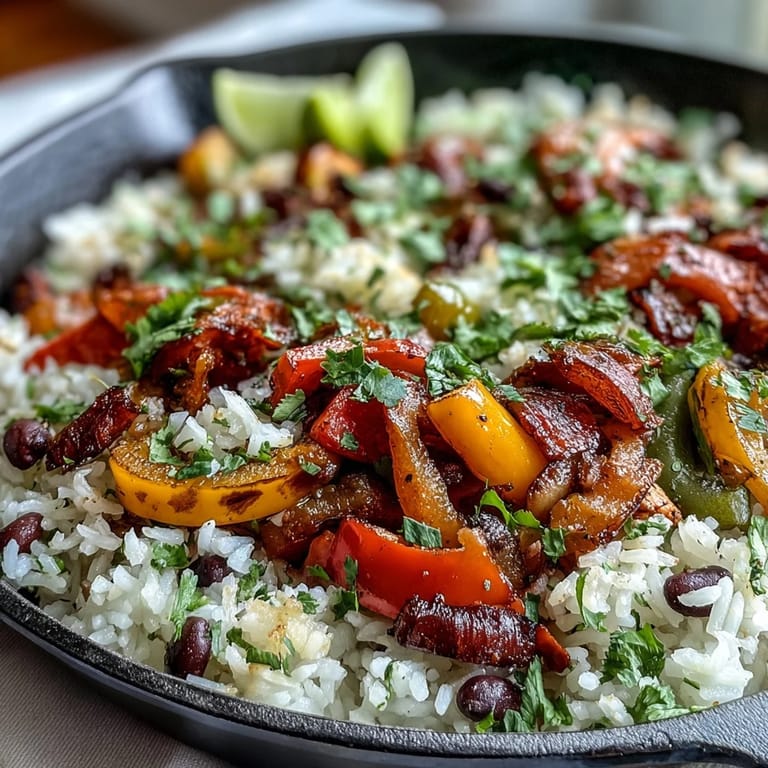
The magic of this skillet comes from giving each component time to develop before combining them. When you caramelize the onions and peppers first, you're creating a foundation of sweetness and depth. Adding the spices to those warm vegetables lets them bloom and release their oils, which sounds fancy but really just means they smell and taste better. Then rice and beans and broth join this already-flavorful base rather than starting from scratch, so every grain gets coated in something delicious from the very beginning.
Adaptations That Actually Work
Brown rice is a legitimate choice here if you have the patience—it needs about double the cooking time and a bit more broth, but it brings a nuttiness that white rice simply can't match. If you're adding tofu for extra protein, cube it and sauté it separately in the skillet with a touch of oil and some of those same spices before mixing it in at the end; this keeps it from getting waterlogged and ensures it has its own texture. For a smokier edge, a pinch of chipotle powder mixed into the spice blend transforms the entire vibe without overwhelming anything.
Serving and Finishing Touches
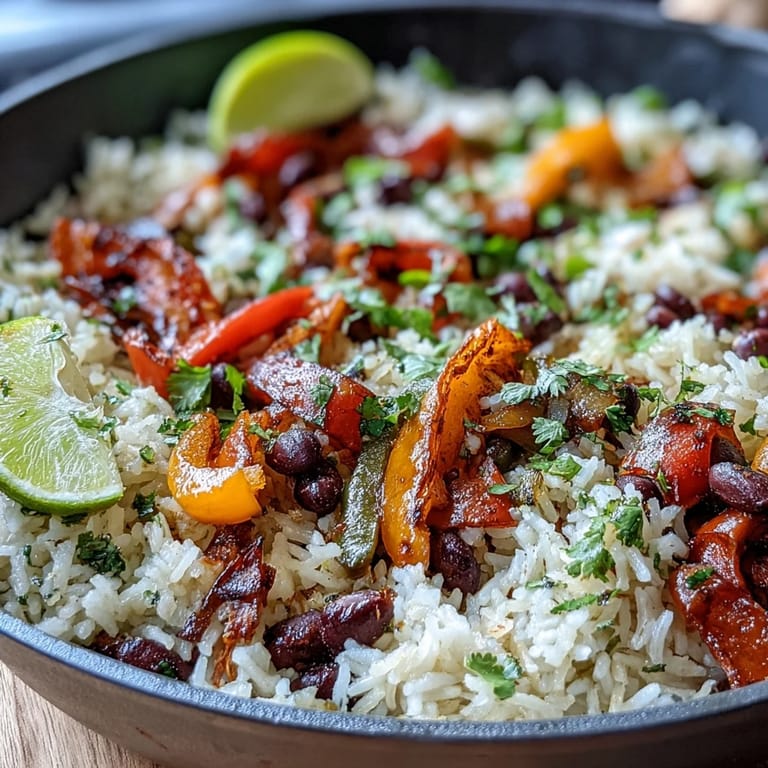
This dish is designed to be flexible with its toppings, which means you can adjust based on what you have and what you're craving. Fresh cilantro and lime wedges are non-negotiable in my house because they brighten everything and add a freshness that cuts through the warmth of the spices beautifully. Avocado or vegan sour cream turns a satisfying dinner into something slightly luxe without requiring any actual luxury, and honestly, even plain it's perfectly complete.
- Lime isn't optional once you taste it—the acid completely elevates the whole bowl and ties everything together.
- Make extra cilantro than you think you'll need because it disappears quickly and everyone will want more.
- If you have leftovers, eat them cold straight from the fridge or reheat gently with a splash of vegetable broth to refresh the rice.
 Save
Save This recipe has become my answer to the question of what to cook when I want something that tastes intentional without feeling like I've spent my entire evening in the kitchen. It's proof that one pan, a handful of spices, and 30 minutes can create something that genuinely satisfies both hunger and the part of you that wants to feel like you're actually cooking.
Recipe FAQs
- → Can I use brown rice instead of white rice?
Yes, brown rice can be used but requires a longer simmer time (40-45 minutes) and slightly more broth for optimal cooking.
- → How do I make this dish oil-free?
Simply use water instead of oil when sautéing the vegetables to keep it oil-free while maintaining flavor.
- → What adds the smoky flavor to the dish?
Smoked paprika combined with cumin and chili powder provides a smoky, warm depth to the sautéed vegetables and rice.
- → Can I add protein to this skillet?
Adding cubed, sautéed tofu before serving will increase protein content and complement the flavors well.
- → How should leftovers be stored and reheated?
Store leftovers in an airtight container in the fridge for up to 3 days. Reheat gently on the stove or microwave, adding a splash of broth if needed.
- → What garnishes work best with this dish?
Fresh cilantro, lime wedges, sliced avocado, or vegan sour cream enhance brightness and creaminess.