 Save
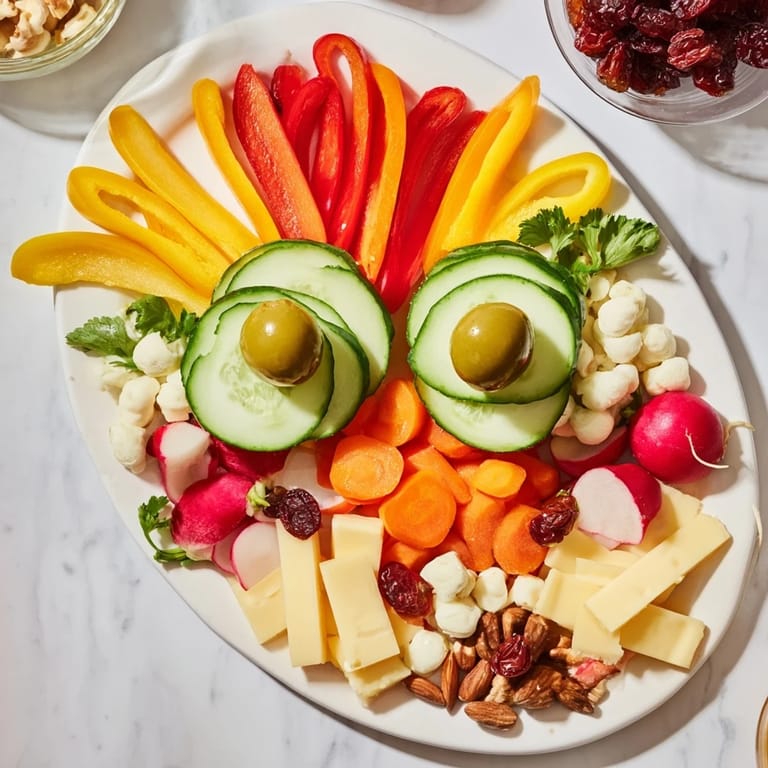
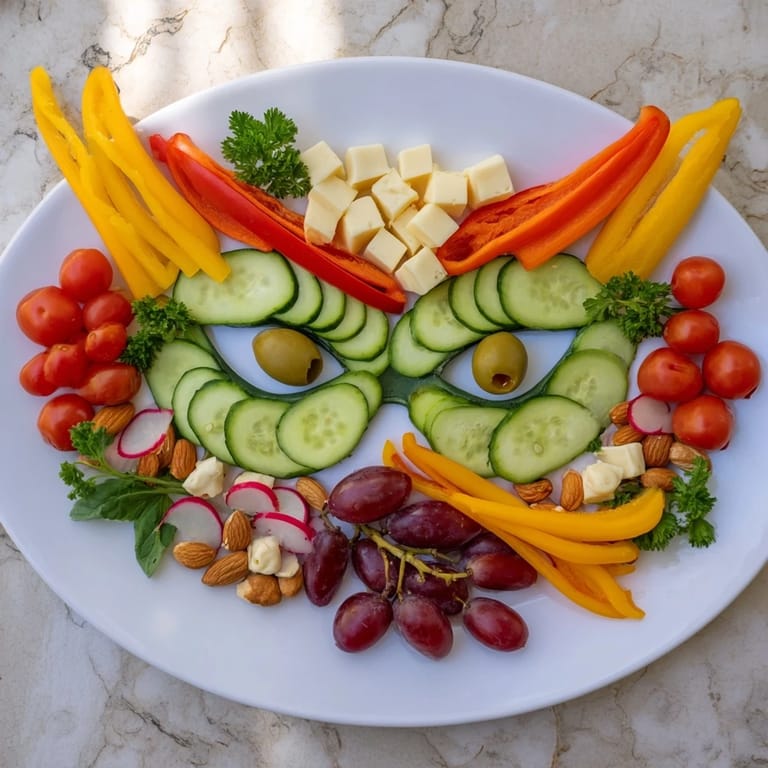
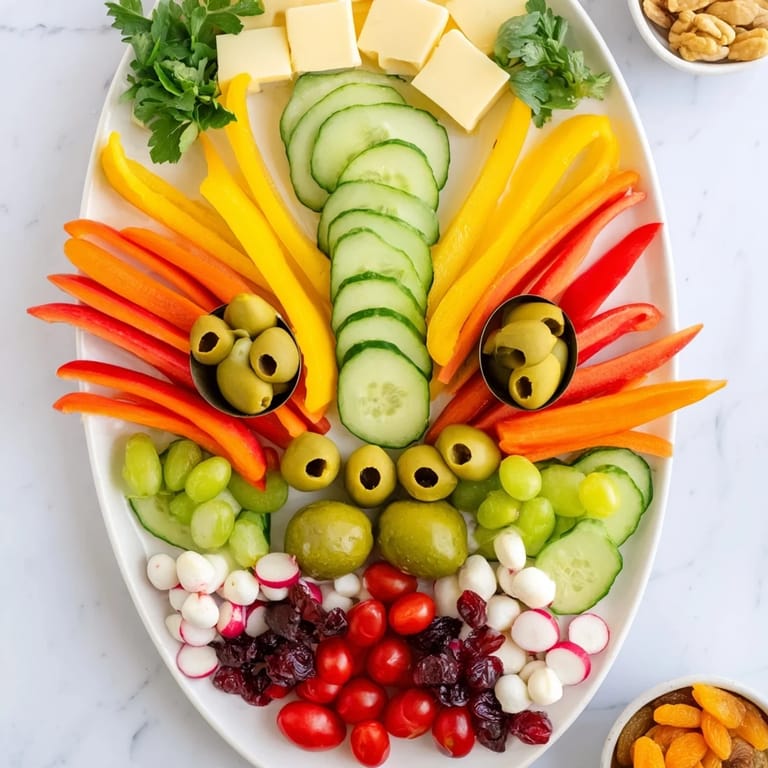
Save I still remember the New Year's Eve when my sister challenged me to create something that would make guests stop mid-conversation and just stare. I'd been to enough elegant parties to know that the appetizer spread often sets the entire tone for the evening. That's when I decided to transform a simple cheese and vegetable platter into something theatrical—a masquerade mask made entirely from fresh ingredients. The moment I arranged those first vibrant bell pepper strips in sweeping arcs around two glossy olives, I knew I'd found something special. Now, every time I build this platter, I'm transported back to that night, watching people lean in closer, cameras coming out, everyone wanting to know how I'd arranged it so perfectly.
The first time I made this for a crowd was at a New Year's Eve dinner where I was cooking for people from six different countries. Someone's partner couldn't eat dairy, another guest was allergic to nuts, and honestly, I was nervous. But this platter became the unexpected bridge—everyone could build their own perfect bite, choosing exactly what they wanted. I watched strangers become friends as they gathered around the board, laughing about who had the best 'mask,' and I realized this wasn't just appetizer arrangement, it was edible hospitality.
Ingredients
- Large olives or firm cheese cubes for the eyes: These become your focal point, so choose ones with personality—deep green or black olives have that sophisticated masquerade quality, but a pale cheddar cube works beautifully too. The key is spacing them at least four inches apart so the mask shape feels intentional.
- Cucumber slices: Slice them thin enough to bend slightly, which helps them fan out gracefully along the top edges. I learned this the hard way after cutting thick slices that refused to cooperate with my grand vision.
- Bell pepper strips: Red, yellow, and orange create the most stunning visual impact. Cut them into long, thin strips—these will form your primary sweeping arcs that make the mask recognizable.
- Cherry tomatoes: Halving them gives you small, jewel-like touches that catch the light beautifully in the gaps between larger vegetables.
- Red radish slices: They add peppery bite and that gorgeous magenta color that photographs like a dream. Don't skip these for visual drama alone.
- Baby carrots: Split lengthwise so they're not too chunky, and they add natural sweetness and those pops of bright orange.
- Grapes: Whether red or green, they provide smooth, round relief to all the straight lines and angles, plus they're the most beginner-friendly element to arrange.
- Assorted cheeses: Cubed into roughly half-inch pieces so they're substantial enough to stay put but small enough to tuck into gaps without disrupting your design. I prefer a mix of textures—creamy, sharp, and nutty.
- Mini mozzarella balls: These are pure magic for filling in spaces without adding too much visual weight. They roll slightly, so position them last.
- Nuts: Walnuts, almonds, or pistachios add crunch and color depth. Toast them lightly at home if you have time—they become more fragrant and seem more intentional on the board.
- Dried fruits: Apricots, cranberries, and figs add jewel tones and chewiness that makes people pause and reconsider what appetizers can be.
- Crackers or breadsticks: These are optional but frame the bottom of your mask beautifully, giving people something to use as edible base if they're not doing the elegant popping-whole-ingredients-into-mouth approach.
- Fresh herbs and edible flowers: A handful of parsley or basil leaves scattered throughout adds green breathing room, and edible flowers—pansies, violas, or nasturtiums if you have them—transform this from platter to art installation.
Tired of Takeout? 🥡
Get 10 meals you can make faster than delivery arrives. Seriously.
One email. No spam. Unsubscribe anytime.
Instructions
- Start with your canvas:
- Choose your largest board—oval or rectangular works best for the mask shape. I use an antique wooden board my grandmother gave me, but any large platter works. Clear a clean workspace where you can see the whole thing as you build.
- Position the eyes:
- Place those two olives or cheese cubes near the top center, spaced about four to five inches apart. This is your anchor point; everything else radiates from these. Step back and squint—do they feel like eyes? They should feel intentional, slightly mysterious.
- Create the sweeping arcs:
- Starting just above the eyes, begin fanning your bell pepper strips outward and upward, like feathers on a mask. Work one color at a time, or alternate them for more visual interest. The strips should overlap slightly and create flowing lines that suggest elegance and movement. This is where the magic happens—trust that your hands know how to make something beautiful.
- Layer in the delicate vegetables:
- Tuck cucumber slices into the curves you've created, and position radish slices in between. Work slowly here, stepping back every few ingredients to see the overall shape emerging. You're looking for balance—if one side feels heavier, add more light elements to the other.
- Add the rounded elements:
- Scatter cherry tomatoes, baby carrots, and grapes into the gaps and along the curves. These round shapes provide relief from the linear pepper strips and add dimension. Don't overcrowd—negative space (visible board) actually makes the arrangement more sophisticated.
- Weave in the cheese:
- Distribute your cheese cubes and mozzarella balls throughout, nestling them among vegetables as if they're little treasures tucked between flowers. Vary the depths—some sitting on the board, some resting on top of vegetables, creating layers.
- Fill strategically with nuts and dried fruits:
- Use these as finishing touches, sprinkling nuts in small clusters and positioning dried fruits where they catch light. They're your jewelry—place them where they make the whole arrangement shine.
- Add the herbs and flowers:
- Just before serving, scatter fresh herb leaves and any edible flowers across the mask. These should look like they've just been placed, still full of life and fragrance.
- Frame the bottom:
- If using crackers or breadsticks, arrange them along the lower edge or sides, creating a border that grounds the whole composition.
- Serve with intention:
- Bring the finished platter to your guests with a flourish. Watch their faces. Serve immediately while everything is crisp and vibrant.
 Save
Save What I cherish most about this platter is that it changed how I think about entertaining. After that first New Year's Eve, I realized the best parties aren't about complicated cooking or restaurant-quality techniques—they're about creating moments where people feel celebrated and delighted by thoughtfulness. This mask became my signature, and now friends call it by name. "Are you making the masquerade mask?" they ask, and I know that for them, it signals that something special is happening, that I've taken time to make them feel welcomed. That's when food becomes memory.
How to Adapt This for Any Occasion
While I created this for New Year's Eve, I've learned it works beautifully for any celebration. For a vegan gathering, I simply skip the cheese and mozzarella, doubling down on vegetables, nuts, and adding marinated tofu cubes if I want protein. For guests who eat seafood, I've tucked smoked salmon ribbons and cooked shrimp around the edges—they add elegance and sophistication. For spring celebrations, I swap winter vegetables for snap peas, thinly sliced radishes, and fresh strawberries. The mask shape works with whatever ingredients your season offers, which is the real gift of this recipe—it's a framework for celebration, not a rigid formula.
The Psychology of Eating from a Beautiful Platter
I've noticed something remarkable happens when food is arranged with intention. People slow down. They photograph it. They comment on it. They choose their bites more thoughtfully. This masquerade mask transforms a vegetable platter from something you eat while chatting into something that deserves attention, something that feels luxurious. There's genuine pleasure in selecting one perfect cherry tomato, one piece of cheese, one almond—it's a form of quiet indulgence that doesn't require utensils or plates. It returns us to the simple joy of eating with our hands, which feels appropriately festive and playful.
Dips, Pairings, and Final Touches
I've discovered that the best sidekick to this platter is hummus—a classic, creamy, perfect contrast to fresh vegetables. But I've also fallen in love with serving a small bowl of herbed cream cheese mixed with fresh dill and a pinch of smoked paprika, and I'll sometimes add a honey-drizzled goat cheese if the crowd feels sophisticated. The key is keeping dips off the board itself, so they don't disrupt your careful arrangement. Position small bowls around the platter, giving guests options without compromising the art you've created. And remember: a beautiful platter deserves beautiful accompaniments, even if they're simple. Good bread, a nice cheese knife, fresh napkins—these details matter and show you've thought everything through.
- Make a simple vinaigrette with good olive oil, red wine vinegar, and crushed garlic to drizzle beside your dips—it transforms any vegetable into something slightly special.
- Keep toothpicks or small forks nearby in case guests want to secure their selections before bringing them to their mouths, which prevents any awkward dropping moments.
- If your party goes longer than ninety minutes, refresh the board partway through with fresh elements—no one wants to eat around dried edges, and a refresh signals to guests that more food is coming.
 Save
Save Every time I create this mask, I'm reminded that hospitality is an art form and that the most memorable meals are often the ones that feel like gifts. This platter says, without words, that your presence matters and that celebration deserves beauty.
Recipe FAQs
- → What vegetables work best for this platter?
Colorful bell peppers, cucumbers, cherry tomatoes, radishes, baby carrots, and seedless grapes create both vibrant colors and textures for the platter.
- → Can I substitute the cheese for a vegan option?
Yes, marinated tofu cubes work well as a flavorful alternative while maintaining the platter's texture and visual appeal.
- → How do I arrange the platter to resemble a masquerade mask?
Place olives or cheese cubes near the board's center at the top as eyes, then fan vegetables and fruits symmetrically in arcs around them to mimic ornate feathered edges.
- → Are nuts and dried fruits necessary?
They add crunch and sweetness, enhancing flavor and texture variety, but can be omitted or substituted based on preference or allergies.
- → How can I make this platter gluten-free?
Simply omit crackers or replace them with gluten-free options to keep the platter safe for gluten-sensitive guests.
- → What garnishes enhance the visual appeal?
Fresh herbs like parsley, basil, or dill and edible flowers add a decorative and fragrant finishing touch to the display.