 Save
Save There's something almost meditative about watching vegetables soften in a pot of simmering broth, their colors deepening as they release their essence into the liquid. I discovered this soup on a gray afternoon when I had nothing but what was lingering in my crisper drawer and an urge to make something warm that didn't require much fussing. The moment I blended it smooth and added that swirl of cream, the kitchen filled with the kind of aroma that makes you understand why people talk about comfort food—it was genuine, unpretentious, and exactly what the day needed.
I made this soup for my neighbor who had just moved in, and watching her face light up when she tasted it taught me something about generosity in the kitchen. She brought the empty bowl back the next morning with a smile and a question about what made it taste so different from the canned soups she'd been eating. That conversation sparked a whole friendship built partly on sharing meals, and now whenever I make it, I think of her sitting at my counter, asking questions I hadn't thought to ask myself.
Ingredients
- Olive oil: Use good quality oil here because it's one of the few flavors that shines through clearly in the finished soup.
- Onion and garlic: The aromatic foundation that builds flavor depth before anything else goes in the pot.
- Carrots, celery, and potato: This trio creates natural sweetness and body without needing cream to feel nourishing.
- Zucchini, broccoli, and cauliflower: These vegetables add character and texture while keeping the soup light rather than dense.
- Vegetable broth: Low-sodium is essential so you can taste the vegetables themselves and control the final salt level.
- Milk and cream: Add these at the end to preserve their delicate flavor and prevent curdling from heat.
- Thyme, oregano, and nutmeg: A whisper of spice that makes people ask what the secret ingredient is, even though it's just herbs working together.
- Fresh parsley: Don't skip this—it adds brightness and reminds you that good food deserves a final moment of attention.
Tired of Takeout? 🥡
Get 10 meals you can make faster than delivery arrives. Seriously.
One email. No spam. Unsubscribe anytime.
Instructions
- Build your base:
- Heat olive oil in a large pot and let the onion and garlic dance together until fragrant, about 2 to 3 minutes. You'll know it's ready when the onion turns translucent and the garlic stops smelling sharp.
- Add the roots:
- Stir in carrots, celery, and potato, cooking for 5 minutes while you occasionally push them around the pot. This head start helps them soften better when the broth arrives.
- Layer in the greens:
- Add zucchini, broccoli, and cauliflower, giving them 3 minutes to get to know the other vegetables. The soup is building its personality now.
- Fill with broth:
- Pour in vegetable broth and bring it to a boil, then lower the heat and let it simmer gently for 20 minutes. The vegetables should be so tender they break apart easily with a wooden spoon.
- Blend to silk:
- Remove from heat and use an immersion blender to puree until smooth, working carefully because the soup is hot and can splatter. If you prefer, work in batches with a countertop blender instead.
- Finish with cream:
- Return the pot to low heat and stir in milk and cream, then add thyme, oregano, pepper, salt, and a pinch of nutmeg if you're feeling adventurous. Heat gently until steaming but never boiling, which would break the cream and change the texture.
- Taste and adjust:
- This is your moment to make it yours—add more salt, more herbs, or even a squeeze of lemon juice if it needs brightness.
- Serve with intention:
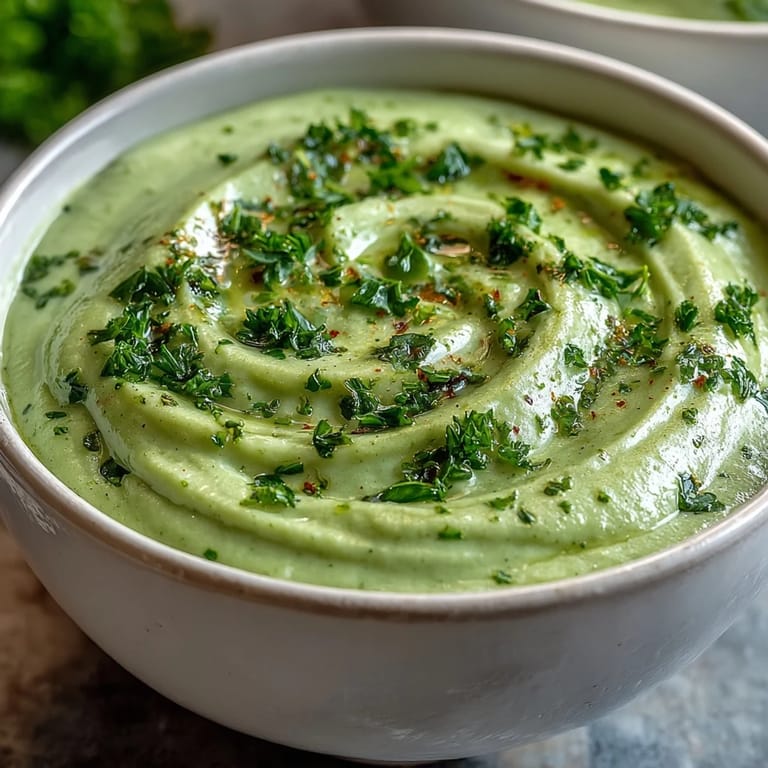
- Ladle into bowls, scatter parsley on top, and let the steam rise up while you take a moment to appreciate what you've made.
 Save
Save Years ago, my mother told me that soup is one of the few dishes that gets better when you're not watching it, and I've learned she was right. There's wisdom in letting vegetables transform slowly, their flavors becoming something more than the sum of their parts, and somehow that lesson extends beyond cooking.
Making It Your Own
The magic of this soup is that it welcomes improvisation without asking permission. Swap in whatever vegetables you have hiding in your kitchen—spinach, kale, peas, green beans—and the soup will simply become a different expression of itself. I've made it with leftover roasted vegetables, fresh herbs from a market visit, and even a handful of frozen greens when I was running low on fresh produce, and every version tasted like exactly what it needed to be in that moment.
Vegan and Dairy-Free Options
If you're cooking for someone with dietary restrictions or exploring plant-based cooking yourself, this soup adapts beautifully without any sense of compromise. Use unsweetened oat or almond milk in place of dairy milk, and coconut cream instead of heavy cream, and you'll get the same velvety texture and rich flavor. The vegetables do the real work here, so the soup remains nourishing and satisfying whether or not animal products are involved.
Serving Suggestions and Storage
This soup pairs wonderfully with crusty bread for soaking up the last spoonful, or with a crisp green salad to balance its richness. Leftovers keep in the refrigerator for up to four days and reheat gently on the stovetop over low heat, thinning with broth if needed.
- Bread pairing: Toasted sourdough or garlic bread turns a bowl of soup into a complete meal.
- Texture option: For a chunkier version, blend only half the soup and stir it back into the rest.
- Freezer friendly: Cool completely and freeze in containers for up to three months, though the cream can separate slightly upon thawing.
 Save
Save This soup reminds me that sometimes the simplest gestures—a warm bowl, a scattered handful of parsley, steam rising from the surface—are enough to nourish both body and spirit. Make it when you need comfort, share it when you want to show you care.
Recipe FAQs
- → How do I make this vegan?
Replace whole milk with unsweetened oat or almond milk and substitute heavy cream with coconut cream. Ensure your vegetable broth is certified vegan.
- → Can I freeze this soup?
Yes, freeze in airtight containers for up to 3 months. Thaw overnight in the refrigerator and reheat gently, adding a splash of milk if needed to restore consistency.
- → What vegetables work best?
Carrots, celery, potatoes, zucchini, broccoli, and cauliflower create a balanced flavor. You can also add spinach, kale, or butternut squash based on preference.
- → How do I get the smoothest texture?
Use an immersion blender directly in the pot, or blend in batches using a countertop blender. For safety, let cool slightly before blending and vent the blender lid.
- → What should I serve with this?
Crusty bread, warm dinner rolls, or a crisp green salad make excellent sides. The soup also pairs well with grilled cheese sandwiches or crackers.
- → Can I make it chunky?
Blend only half the mixture and stir it back into the pot, or skip blending entirely for a rustic vegetable soup with varied textures.