 Save
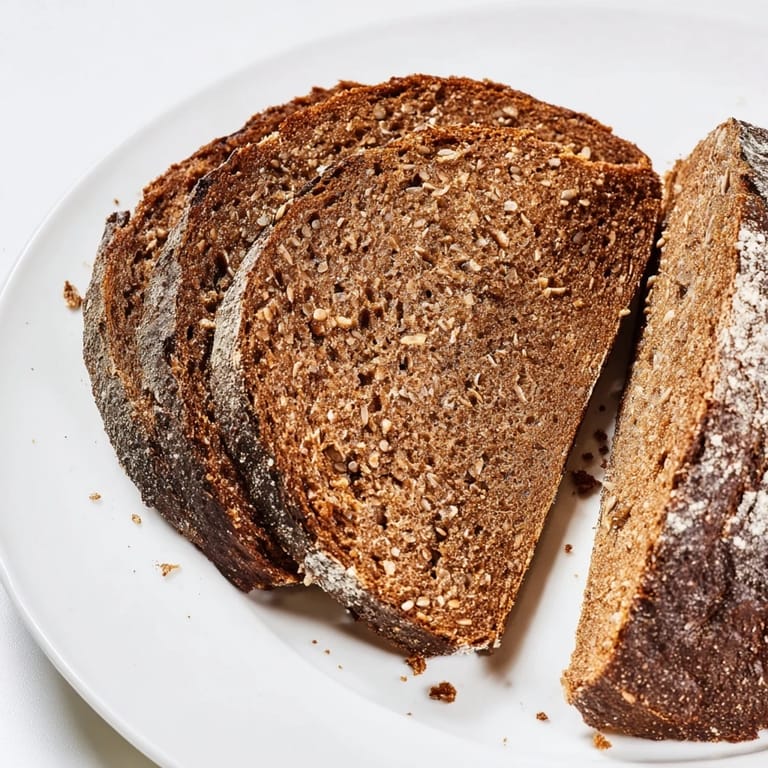
Save The first time I bit into a slice of rupjmaize at a small café in Riga, I was struck by how a single bite could taste like history—earthy rye, warm caraway, and something deeply comforting that made me want to understand exactly how it came together. Years later, I still remember the baker's quiet confidence as she sliced the loaf, and I finally decided to recreate that dense, aromatic bread in my own kitchen. What started as curiosity became a ritual, especially on cold mornings when the aroma alone felt like coming home.
I baked this for a friend who'd recently moved to town, nervous about making something too ambitious for a first meal shared in someone else's kitchen. Watching her break apart that warm loaf, steam rising, and seeing her close her eyes on the first taste—that's when I realized rupjmaize isn't just bread, it's an invitation to slow down.
Ingredients
- Dark rye flour (500 g): This is the foundation, giving the bread its deep color and nutty backbone—don't substitute with light rye, it won't have the same presence.
- Bread flour (100 g): Just enough to give structure so the loaf holds together; all-purpose works in a pinch.
- Active dry yeast (1 packet, 7 g): Use fresh yeast if you can find it—the flavor is slightly more complex, though dried works perfectly fine.
- Warm water (350 ml): The temperature matters more than you'd think; too cold and the yeast sulks, too hot and you've cooked it before it even started.
- Molasses or dark honey (2 tbsp): This feeds the yeast and adds a subtle sweetness that balances the rye's earthiness—I've found molasses gives a slightly deeper note.
- Salt (2 tsp): Don't skip this; it controls fermentation and deepens the flavors.
- Caraway seeds (2 tsp): The signature spice—toasting them lightly before adding releases oils that make the whole bread sing.
- Vegetable oil (1 tbsp plus extra): Keeps the dough from sticking and adds a tender crumb.
Tired of Takeout? 🥡
Get 10 meals you can make faster than delivery arrives. Seriously.
One email. No spam. Unsubscribe anytime.
Instructions
- Wake the yeast:
- Combine warm water, molasses, and yeast in your bowl and wait 10 minutes for it to foam—this tells you the yeast is alive and ready. If it doesn't foam, your water was likely off temperature or the yeast expired; start fresh.
- Build the dough:
- Add the flours, salt, and caraway seeds, stirring with a wooden spoon until everything comes together into a shaggy, sticky mass. This is supposed to feel rough and uncertain at this stage.
- Knead with patience:
- Drizzle in the oil and knead for 5 to 7 minutes by hand or machine until the dough becomes smoother and more elastic, though it'll stay stickier than wheat dough. You're not trying to make it silky; rye dough is naturally sticky, and that's what gives the crumb its tender character.
- First rise, overnight:
- Oil a large bowl, nestle the dough inside, cover it, and let it sit at room temperature for 12 to 16 hours. This slow fermentation is where the magic happens—flavors deepen and develop in ways a quick rise can never match.
- Shape and second rise:
- Punch down the dough gently, turn it onto a lightly floured surface, and shape it into a round or oval loaf that feels right to you. Place it on parchment or in a greased pan, cover, and let it puff for 45 to 60 minutes until it looks puffy and full of promise.
- Final prep and scoring:
- Heat your oven to 220°C (425°F). Just before baking, dust the loaf generously with rye flour and optionally score the top with a sharp knife for a decorative slash that lets steam escape.
- Bake until deep and hollow:
- Slide the loaf into the center of the oven and bake for 45 to 50 minutes until the crust is deeply browned and the bottom sounds hollow when you tap it. This is how you know the inside has set properly and moisture has baked in, not out.
- Cool completely:
- Transfer to a wire rack and resist the urge to slice into it warm—the inside is still setting, and you'll tear the crumb if you cut too soon. A completely cooled loaf slices cleanly and holds together beautifully.
 Save
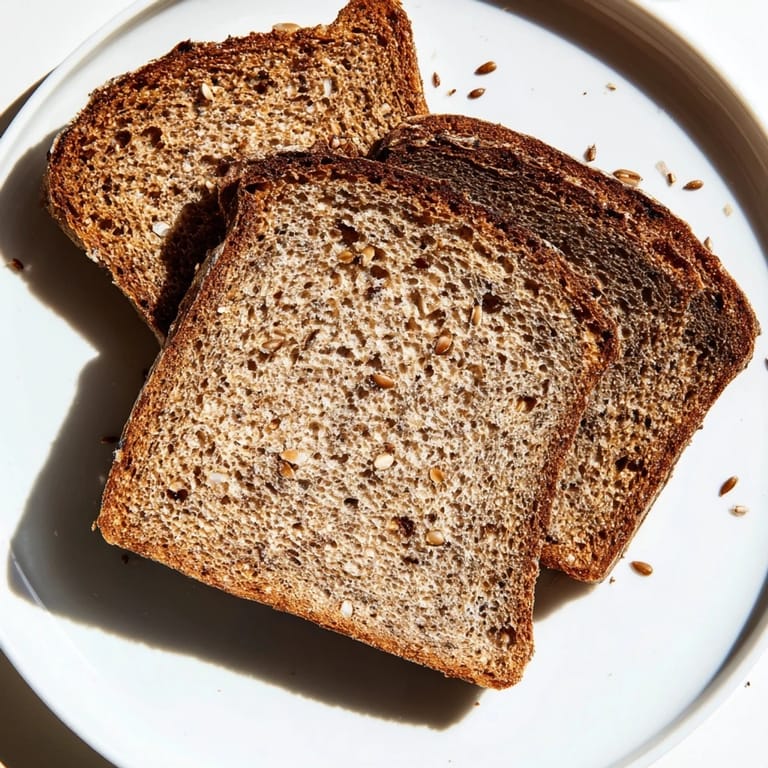
Save There was a winter afternoon when my neighbor stopped by as the bread was cooling, and I cut her a thick slice warm from the rack with good salted butter melting into it. Watching her face light up—that quiet moment of recognition, like she'd just tasted something her grandparent might have made—reminded me why this bread matters beyond nutrition or technique.
Caraway: The Soul of the Loaf
Caraway is not subtle, and that's exactly the point. If you've never toasted the seeds before adding them, try it once—warm them gently in a dry pan for a minute until they smell almost nutty, then grind them slightly before stirring into the dough. This single step transforms the bread from good to memorable, adding a subtle warmth that whispers through every slice rather than announcing itself aggressively.
Timing and Temperature Matter
Your kitchen's temperature will affect how fast or slow the dough rises, and that's okay—longer rises in cooler kitchens often produce deeper flavor. I've learned to trust the visual cues (dough doubled in size, loaf puffy and full) over the clock, because a bread that's ready when it looks ready always bakes better than one forced to follow a timer.
Serving and Storage Secrets
Rupjmaize is meant to be sliced thick and toasted, especially after the first day when the flavors have settled into something even more complex. It pairs beautifully with smoked fish, good butter, or simply on its own with a cup of strong tea. Wrapped well, it keeps for days on the counter and freezes exceptionally for months if you slice it first.
- Toast slices until the edges turn golden and crispy for the most authentic textural experience.
- Pair with salted butter, smoked fish, or hearty stews for a meal that feels both humble and special.
- Freeze in slices so you can toast individual pieces whenever you need that warm, earthy comfort.
 Save
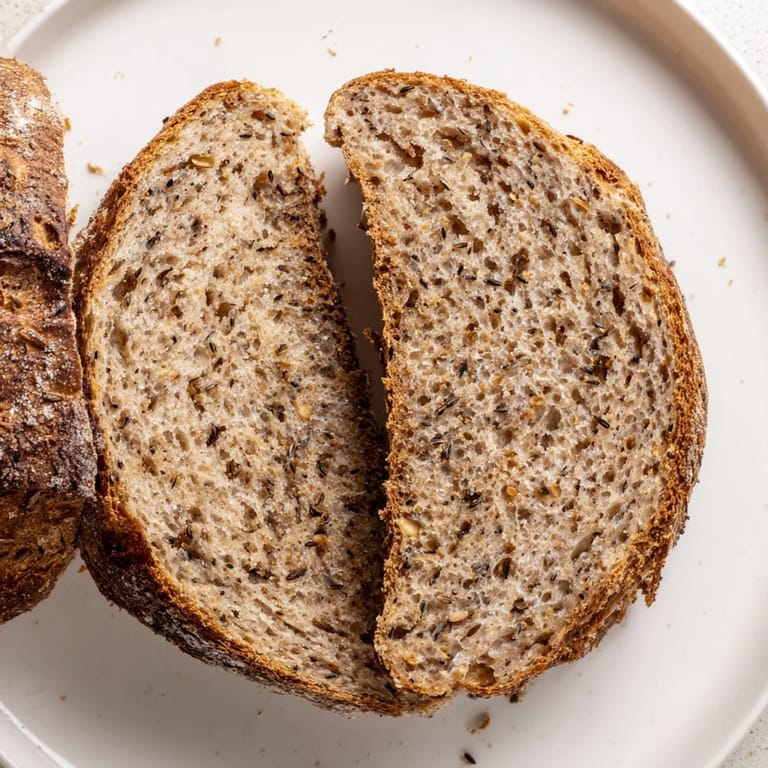
Save Making rupjmaize taught me that some breads ask for speed and others ask for patience, and the best ones know the difference. This is the kind of bread that builds gratitude.
Recipe FAQs
- → What gives the bread its distinctive flavor?
The combination of dark rye flour, molasses or honey, and aromatic caraway seeds contributes to the bread's deep, robust flavor.
- → Why is the dough left to rise for so long?
Extended rising (12–16 hours) allows natural fermentation, enhancing flavor complexity and improving texture.
- → Can I toast the caraway seeds before adding?
Yes, lightly toasting caraway seeds enhances their nuttiness and adds depth to the bread’s aroma.
- → What is the ideal baking temperature and time?
Preheat the oven to 220°C (425°F) and bake the loaf for 45–50 minutes until it is deeply browned and sounds hollow when tapped.
- → How should the bread be stored or served?
Store cooled slices in a cool place or freeze for later use. Slice before freezing to ease toasting. Serve with butter or savory accompaniments.