 Save
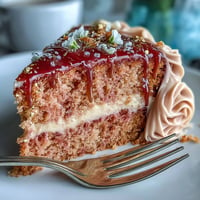
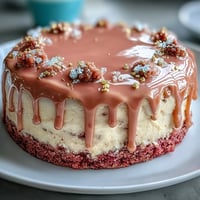
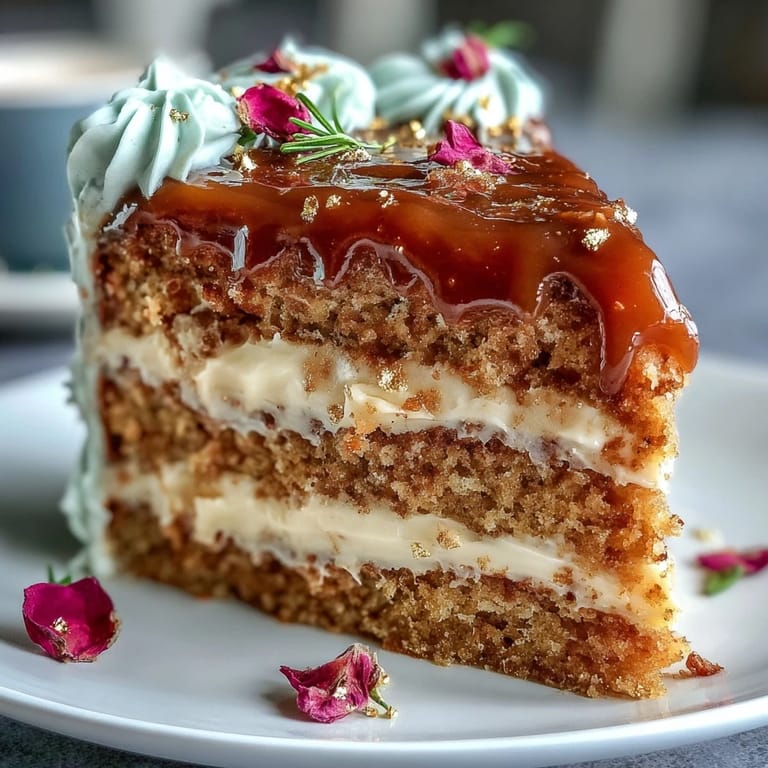
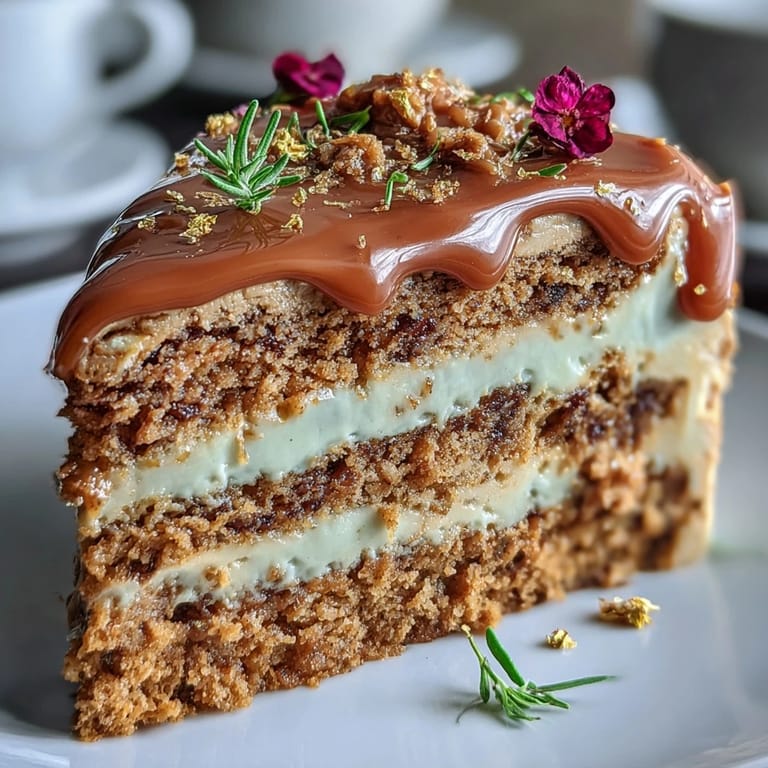
Save Some desserts seem to call you into the kitchen before you realize you need them, and that's exactly what happened the first time I made this Taurus Cake. The scent of browning butter and caramelized sugar always seems to attract curious onlookers, and that day the kitchen filled with the hushed excitement that only a showstopping cake can bring. Brightly speckled edible petals waited on the counter, reminding me how a little bit of color can change the whole mood of a gathering. I didn't expect how natural it would feel to blend humble butterscotch with airy floral notes, creating something equal parts grounded and a little magical. The final result looked like a slice of spring itself, earthy tones swirled and finished with gold dust just for the drama of it.
Baking this cake once turned a regular Tuesday into something far more celebratory when my friend arrived unannounced, drawn by the aroma. We ended up dusting the finished cake with gold leaf together, laughing at our uneven swirls, and the slightly wonky decorations turned out to be the thing everyone remembered that day. There was flour in my hair and a whole new appreciation for edible flowers blooming on our plates. It's not always about getting everything perfect—some cakes are all about delight and a sense of grounded celebration. Now, when anyone asks for my most memorable bake, Taurus Cake is the story I tell first.
Ingredients
- All-purpose flour: The backbone of a sturdy, moist sponge; sift for the softest crumb and to prevent lumps.
- Baking powder and baking soda: Both contribute just the right lift—never skip the soda, as it reacts with the sour cream.
- Fine salt: A pinch wakes up all those earthy flavors; I learned less is more here.
- Unsalted butter: Let it truly soften—it creams best at room temp, making your cakes fluffier and your butterscotch melty-smooth.
- Brown sugar: This is the key to butterscotch cake’s deep, caramel notes; firmly pack for accurate measuring.
- Eggs: Room temperature is non-negotiable for even texture.
- Vanilla extract: Adds backbone to the floral and earthy elements; don’t skimp.
- Sour cream or plain yogurt: Gives moistness and a faint tang, which balances the richness.
- Whole milk: Keeps the batter smooth and easy to layer.
- Butterscotch sauce: Homemade, thick, and cooled—your patience in making it pays off in flavor.
- Powdered sugar: Always sift, or you'll chase lumps around your buttercream forever.
- Culinary rose water: Go lightly and taste as you go to avoid overpowering the delicate butterscotch.
- Dried lavender (optional): Adds a subtle aroma; crushing it very finely makes it blend seamlessly.
- Natural colorants: A little beet or matcha powder goes a long way, adding depth without fake hues.
- Edible flowers and fresh herbs: Wash and dry them ahead of time and use just before serving for vibrant pops of color.
- Gold leaf or dust (optional): For special occasions, a fleck or two is all you need—use tweezers for clean placement.
Tired of Takeout? 🥡
Get 10 meals you can make faster than delivery arrives. Seriously.
One email. No spam. Unsubscribe anytime.
Instructions
- Prepare your pans:
- Grease three 8-inch cake pans and line with parchment, letting the edges overhang for easy lifting—trust me, you’ll thank yourself later.
- Start the butterscotch sauce:
- Let the butter sizzle until melted and stir in brown sugar, breathing deeply as that toasty aroma hits; after adding cream, simmer until glossy smooth and set aside to cool to room temp.
- Mix dry ingredients:
- In a bowl, gently sift together flour, baking powder, soda, and salt, pausing to run your fingers through for any sneaky lumps.
- Cream butter and sugar:
- Beat butter and brown sugar until pale and fluffy, scraping down the bowl often—it should look like coffee ice cream before you go on.
- Add eggs and vanilla:
- Drop eggs in, one at a time, letting each disappear before the next, then stir in the vanilla and smile at the aroma.
- Blend in wet ingredients:
- Add sour cream and your cooled butterscotch sauce, mixing until just incorporated—don’t panic if it looks a bit curdled, it’ll smooth out.
- Combine and finish batter:
- Alternate adding dry mix and milk, starting and ending with flour, stirring gently until everything’s just barely blended—the key to a tender crumb is not to overmix.
- Bake:
- Spoon the batter evenly into the pans, then tap each on the counter before baking 28–35 minutes; when a toothpick emerges clean, they're ready.
- Cool the layers:
- Let cakes rest in their pans for 10 minutes, then lift them gently to cool fully on racks—don’t rush this, or you’ll risk tearing the delicate edges.
- Make floral buttercream:
- Beat butter creamy, then slowly add powdered sugar; drizzle in milk for the perfect spreadable feel, folding in rose water and ground lavender with a light touch.
- Tint and swirl:
- Divide the buttercream and color each batch with your favorite earthy tones, swirling them together gently for a marbled, natural look.
- Assemble the cake:
- Stack your layers with a generous swoosh of buttercream between each, then frost the outside with swirling colors—the less perfect, the more charming.
- Decorate:
- Just before serving, top with a riot of edible flowers, fresh herbs, and if you’re feeling grand, a little gold leaf—let your creativity run wild.
 Save
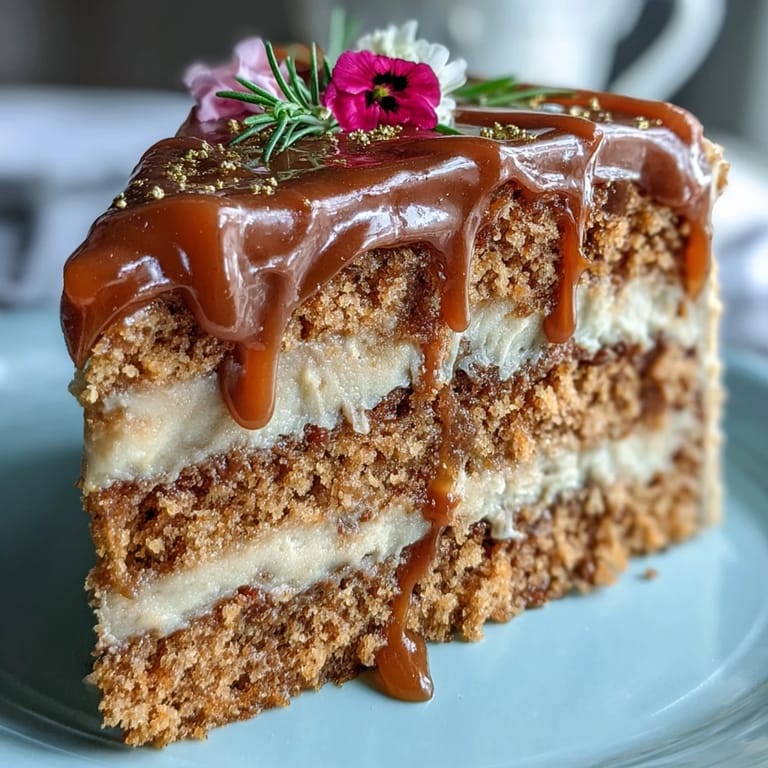
Save The moment the cake hit the table at my cousin’s spring birthday, a hush fell and even the most unimpressed teens paused mid-scroll to admire it. Suddenly, the kitchen felt less like just a space for eating and more like a gallery for edible art, and every bite seemed to carry a bit of laughter and wildflower scent with it.
Choosing Natural Colors for Your Swirls
Matcha can take your buttercream to gentle forest green, while a pinch of beet powder adds the softest blush—my first time experimenting felt less like baking and more like painting a landscape. Spirulina makes a gorgeous blue-teal, but go slow as its flavor can creep up unexpectedly. Tumeric will give you sunbeam yellow with the tiniest pinch, and cocoa offers both hue and delicious depth. Safeguard the balance—start with just a dusting and stir in more if you need. There’s no need for perfection; every cake is its own constellation of colors and flavors.
Sourcing and Handling Edible Flowers Safely
I was surprised by how easy it is to find edible flowers at certain grocers, but make sure they're labeled food safe—never use flowers from florists or gardens where chemicals might lurk. Give them a soft rinse and let them dry on paper towels well before decorating. Handle them gently as they bruise more easily than herbs or leafy greens. If using gold leaf, keep tweezers handy and work in a draft-free zone to avoid fluttery mishaps. Always check with guests for allergies, especially when wildflowers are involved.
Making Ahead and Storing Your Taurus Cake
This cake only grows richer and more aromatic after a day’s rest, and I often bake the layers the night before and chill them, wrapped tightly, until I’m ready to decorate. Store the decorated cake at room temperature for up to three days unless you’re using delicate fresh flowers that might wilt. If chosen herbs start to tire, swap them out for perky new sprigs before serving. Use any leftovers as an excuse for midweek coffee breaks and impromptu cake dates.
- Buttercream can be made ahead and re-whipped for fluffiness.
- Decorate with flowers last to keep them vibrant.
- Refrigerate if the kitchen is too warm or humid.
 Save
Save This Taurus Cake is a reminder that baking is more about play and presence than perfection—let each swirl and petal bring its own joy to the table. I hope yours brings as many crumbs and smiles as ours did.
Recipe FAQs
- → Can the butterscotch sauce be made ahead?
Yes. Make the sauce, cool completely, then refrigerate in an airtight container up to 5 days. Warm gently before folding into batter so it loosens and blends smoothly without breaking the emulsion.
- → How do I ensure a moist butterscotch sponge?
Use room-temperature eggs, cream butter and sugar until light, and alternate dry ingredients with milk starting and ending with flour. The sour cream (or yogurt) and butterscotch sauce add fat and acidity that keep crumbs tender and moist.
- → What are good natural tints for earth tones?
Matcha for soft green, beet powder for muted pinks, cocoa for warm browns, turmeric for golden yellow, and spirulina sparingly for deep green. Start with small amounts and build color gradually to avoid altering flavor.
- → Are edible flowers safe to use on the finished cake?
Only use flowers labeled as edible and sourced from trusted suppliers. Avoid blooms treated with pesticides, and wash or pat dry gently. Common options include pansies, violets and certain rose petals.
- → Any tips for even layers and clean assembly?
Level each cooled layer with a serrated knife or cake leveler. Use a turntable and an offset spatula to apply even amounts of buttercream between layers, then chill 15–30 minutes to set before final smoothing and decorating.
- → How should the finished cake be stored?
Keep the cake covered at room temperature for up to three days if flowers aren’t perishable. Refrigerate when using fresh-cut blooms or in warm conditions; bring to room temperature before serving for best texture and flavor.