 Save
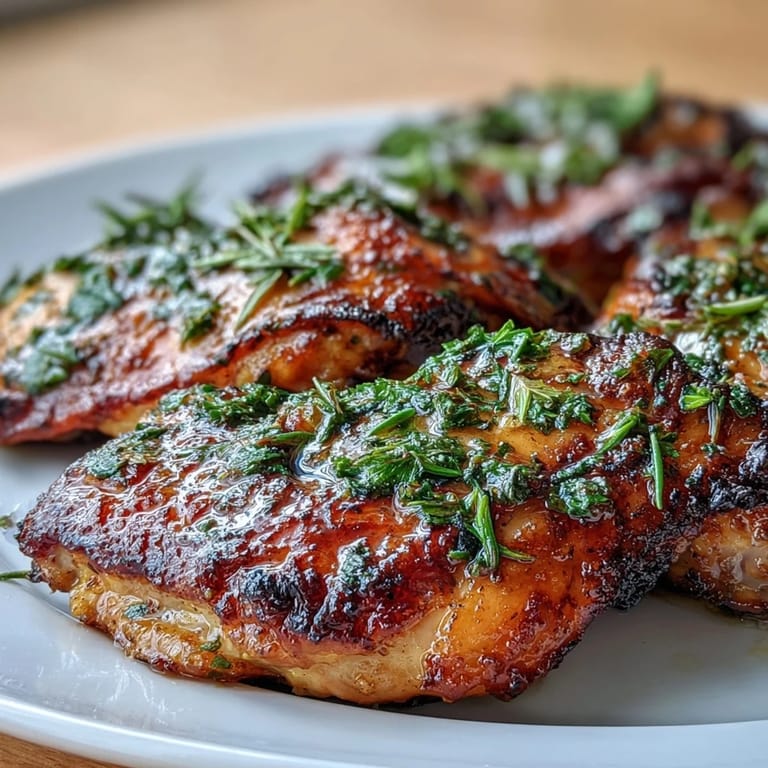
Save There's something about the smell of lemon and rosemary hitting hot chicken skin that makes you pause mid-conversation. I learned to make this dish one April evening when a friend casually mentioned she'd never had a roasted chicken that tasted like spring, and I couldn't let that stand. The recipe isn't complicated, but it feels elegant enough that people always assume you've done something mysterious in the kitchen. What they don't realize is that the magic is just fresh herbs, good timing, and letting the oven do most of the thinking.
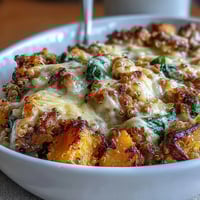
I made this for my sister's birthday dinner last May, and she kept going back for the potatoes even though there was an entire herb-brined chicken on the table. Something about how they get crispy on the outside while staying buttery inside must have spoken to her. I remember her stealing a piece right off the cutting board before I'd even finished carving, saying nothing tastes better than food someone made specifically because they wanted to impress you. That moment taught me that cooking well for people is really just paying attention to what makes them happy.
Ingredients
- 1 whole chicken (about 4 lbs / 1.8 kg): Look for one that feels firm when you press it, and make sure it's completely thawed if frozen—this matters more than you'd think for even cooking.
- 3 tbsp olive oil: Use something you'd actually taste on its own; cheap oil disappears into the background, but good oil becomes part of the flavor story.
- 2 lemons (1 zested and juiced, 1 sliced): Get ones that feel heavy for their size and have thin, thin skin if possible—they yield more juice and zest that actually tastes bright.
- 4 cloves garlic, minced: Mince it right before using so it stays pungent; pre-minced garlic tastes muted and a little tired by comparison.
- 2 tbsp fresh rosemary, finely chopped: Strip the leaves from woody stems and chop them small so they distribute evenly and don't end up as chewy twigs.
- 2 tbsp fresh thyme, finely chopped: Fresh thyme has a delicate, almost floral quality that dried thyme completely lacks—don't skip this one.
- 1 tbsp fresh parsley, finely chopped: It's mild, but it adds a subtle green freshness that rounds out the deeper rosemary and thyme.
- 1½ tsp sea salt: Taste as you go; the chicken will season the potatoes as they roast together, so you might not need extra salt at the table.
- 1 tsp freshly ground black pepper: Grind it fresh if you can—pre-ground pepper loses its bite after a few months sitting in your cabinet.
- 2 lbs baby potatoes, halved: Cut them roughly the same size so they roast evenly; uneven pieces will cook at different rates and frustrate you mid-dinner.
Tired of Takeout? 🥡
Get 10 meals you can make faster than delivery arrives. Seriously.
One email. No spam. Unsubscribe anytime.
Instructions
- Get everything ready:
- Preheat your oven to 425°F and pat the chicken completely dry with paper towels—moisture is the enemy of crispy skin, and you want that skin to turn golden and crackle slightly under your teeth.
- Make the herb paste:
- Whisk together the olive oil, lemon zest, lemon juice, minced garlic, rosemary, thyme, parsley, salt, and pepper in a small bowl until it looks like a chunky, fragrant paste. You'll know it's right when the aroma hits you and you can't stop smelling your fingers.
- Season the chicken inside and out:
- Rub that paste all over the chicken like you mean it—under the wings, down the legs, under the skin at the breast, and yes, inside the cavity too. Stuff the lemon slices into the cavity where they'll perfume the meat from the inside out.
- Arrange the potatoes:
- Scatter the halved baby potatoes around the chicken in the roasting pan, drizzle them with olive oil, season with salt and pepper, and toss them gently so they're all coated. They'll catch the chicken fat as everything roasts and become absolutely irresistible.
- Roast until golden:
- Slide everything into the oven for 1 hour and 10 to 15 minutes—you'll know it's done when the juices run clear when you pierce the thigh and a meat thermometer reads 165°F in the thickest part. If the potatoes still look pale when the chicken is done, pull the chicken out, crank the oven to broil, and let those potatoes get golden for another 5 to 7 minutes.
- Rest and serve:
- Let the chicken rest for 10 minutes before carving—this keeps the meat from drying out and gives you a moment to catch your breath. Scatter fresh parsley over everything, slice into the golden bird, and watch people's faces light up.
 Save
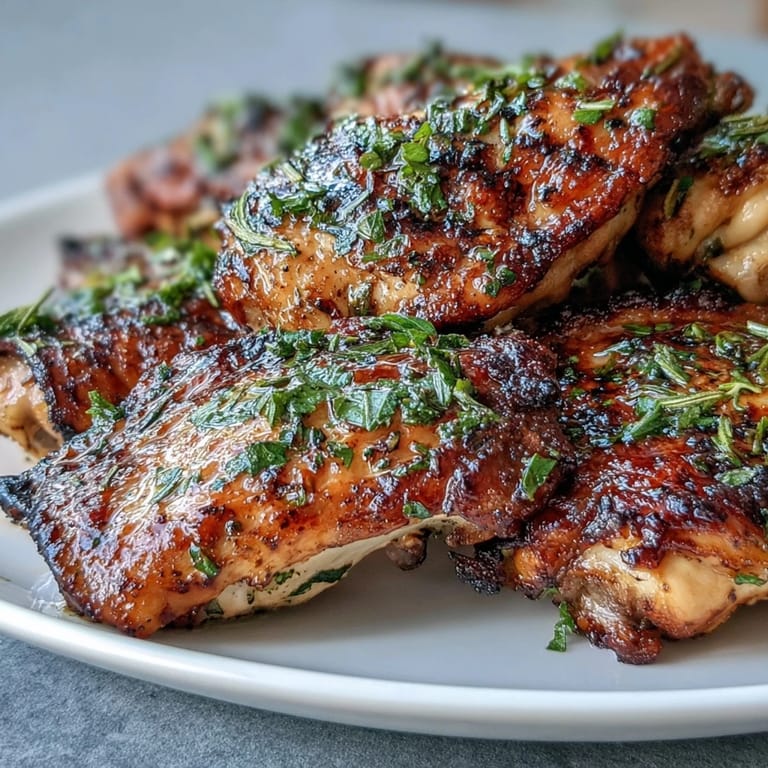
Save One night while this chicken was roasting, a friend who'd been quiet all evening suddenly relaxed, leaning against the counter and breathing in that herb-filled air. She told me she'd been stressed about something, but the smell of rosemary and lemon had somehow made her feel like things were going to be okay. Food doesn't have to fix anything to matter—sometimes it just has to remind us that there are still good things happening.
Why This Works as a Spring Dinner
Spring is when you want food that feels both comforting and light, and this chicken somehow manages both. The lemon and fresh herbs sing when they're in season, and roasted potatoes ground the brightness with their earthy sweetness. It's the kind of dish that makes people feel celebrated without making you spend all day in the kitchen.
Variations That Keep It Interesting
Once you've made this a few times and feel confident, you can start playing with it. I've swapped the baby potatoes for fingerlings when that's what I had on hand, and they worked beautifully. I've also added thinly sliced asparagus or baby carrots around the pan in the last 30 minutes of roasting, and they pick up all that herb-infused chicken fat and become something special.
Making It Your Own
The best recipes are the ones you feel comfortable making changes to, and this one invites that. Maybe you love tarragon more than thyme, or you prefer garlic roasted with honey. Maybe you serve it with a bright green salad or crusty bread to soak up the pan juices. The structure is here to guide you, but the details are yours to play with.
- If you're cooking for fewer people, use a smaller bird or plan on generous leftovers—roasted chicken tastes even better the next day in a salad or on toast.
- A crisp Sauvignon Blanc or lighter Chardonnay pairs beautifully, but honestly, a cold beer works just as well and feels more relaxed.
- Keep the pan drippings and make a quick pan sauce by deglazing with a splash of white wine or chicken stock—those dark bits stuck to the bottom are pure umami.
 Save
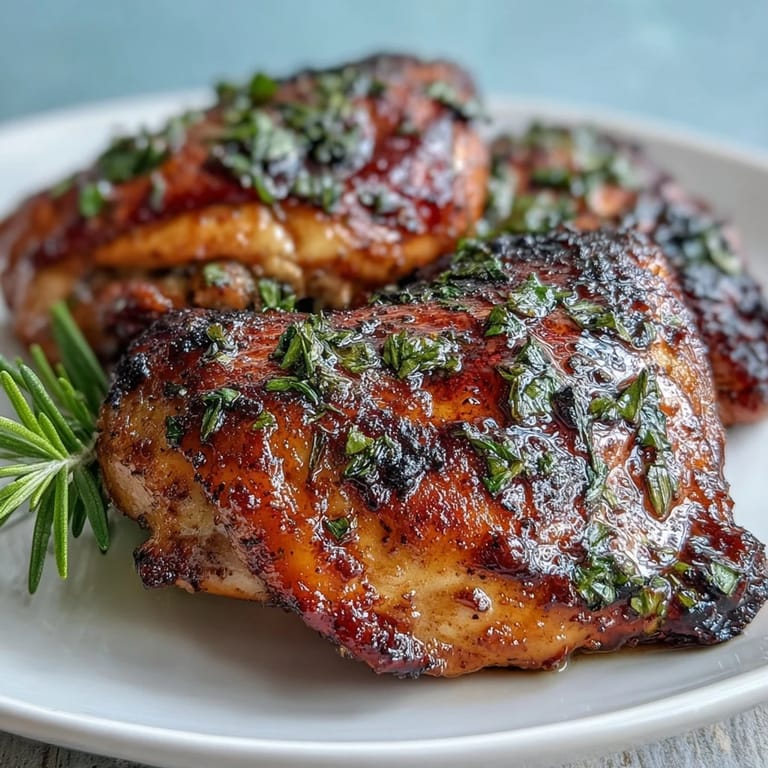
Save This is the kind of dish that gets easier and more satisfying every time you make it, the kind where you stop following the recipe exactly and start trusting your instincts. That's when it stops being just dinner and becomes something you're actually proud to put on the table.
Recipe FAQs
- → What is the best way to ensure the chicken stays juicy?
Rubbing the chicken under the skin with the lemon-herb marinade and allowing it to rest after roasting helps retain moisture and tenderness.
- → Can I substitute the baby potatoes with other vegetables?
Yes, fingerling potatoes or small Yukon Golds work well and can be roasted similarly alongside the chicken.
- → How do I know when the chicken is fully cooked?
Use a meat thermometer inserted into the thickest thigh part; it should read 165°F (74°C) for safe, tender results.
- → What herbs complement the lemon flavor best in this dish?
Rosemary, thyme, and parsley enhance the citrus notes with earthy, fragrant layers, creating a balanced taste.
- → Is it necessary to marinate the chicken for a long time?
Marinating for at least 20 minutes is sufficient, but up to 24 hours enhances the depth of flavor significantly.