 Save
Save The smell of caraway always takes me straight back to my grandmother's kitchen, though she never made this exact dish. When I first cooked venison properly, I panicked about overcooking it and ended up checking it obsessively with a thermometer. The swede was an afterthought that year, something I grabbed because the potatoes had sprouted. Now I wouldn't dream of serving venison any other way.
I made this for friends who claimed they didn't like game meat, and they scraped their plates clean. One of them even asked if I'd caramelized the swede, which I hadn't, it's just naturally sweet when you cook it long enough. That night taught me that good ingredients don't need much fuss. The caraway was a last-minute addition because I'd seen it in a Scandinavian cookbook, and it turned out to be the detail everyone remembered.
Ingredients
- Venison steaks: Look for steaks that are evenly thick so they cook at the same rate, and let them come to room temperature before searing or they'll tense up in the pan.
- Olive oil: A light coating helps the thyme stick and gives you a beautiful crust without any greasy residue.
- Fresh thyme leaves: Strip them from the stems just before using, the fragrance fades quickly once they're picked.
- Swede: Pick one that feels heavy for its size and has smooth skin, it should smell faintly sweet and earthy when you cut into it.
- Unsalted butter: This lets you control the salt level in the mash, and it melts into the swede like a dream.
- Double cream: Just a splash makes the mash silky, but you can use milk if you want something lighter.
- Caraway seeds: Toasting them wakes up their flavour, they go from quiet and dusty to bright and almost citrusy.
- Red wine: Use something you'd actually drink, the flavour concentrates as it reduces and cheap wine tastes sour.
- Beef or game stock: Homemade is lovely, but a good quality cube or liquid stock works perfectly fine here.
- Redcurrant jelly: This adds a subtle sweetness and gloss to the sauce, but it's not essential if you don't have it.
Tired of Takeout? 🥡
Get 10 meals you can make faster than delivery arrives. Seriously.
One email. No spam. Unsubscribe anytime.
Instructions
- Boil the swede:
- Get the water properly salted, like the sea, and keep the pieces roughly the same size so they soften evenly. You'll know it's ready when a knife slides through without any resistance.
- Prep the venison:
- Pat the steaks completely dry with kitchen paper, any moisture will steam them instead of searing. Rub the oil and thyme all over, then season generously and let them sit while the swede finishes.
- Toast the caraway:
- Keep the heat medium and shake the pan often, they can go from fragrant to burnt in seconds. You'll smell a warm, slightly sweet aroma when they're ready.
- Mash the swede:
- Drain it really well, then let it steam in the pot for a minute to drive off extra moisture. Mash it with the butter and cream until it's as smooth or chunky as you like, then stir in the caraway and taste for seasoning.
- Sear the venison:
- The pan needs to be properly hot, almost smoking, so the steaks get a dark crust without overcooking inside. Don't move them around, just let them sit and sizzle for 2 to 3 minutes per side, then rest them while you make the sauce.
- Make the optional sauce:
- Pour in the wine and scrape up all the sticky bits from the bottom of the pan, that's where the flavour lives. Let it bubble down until it's syrupy, whisk in the cold butter off the heat, and season to taste.
- Serve:
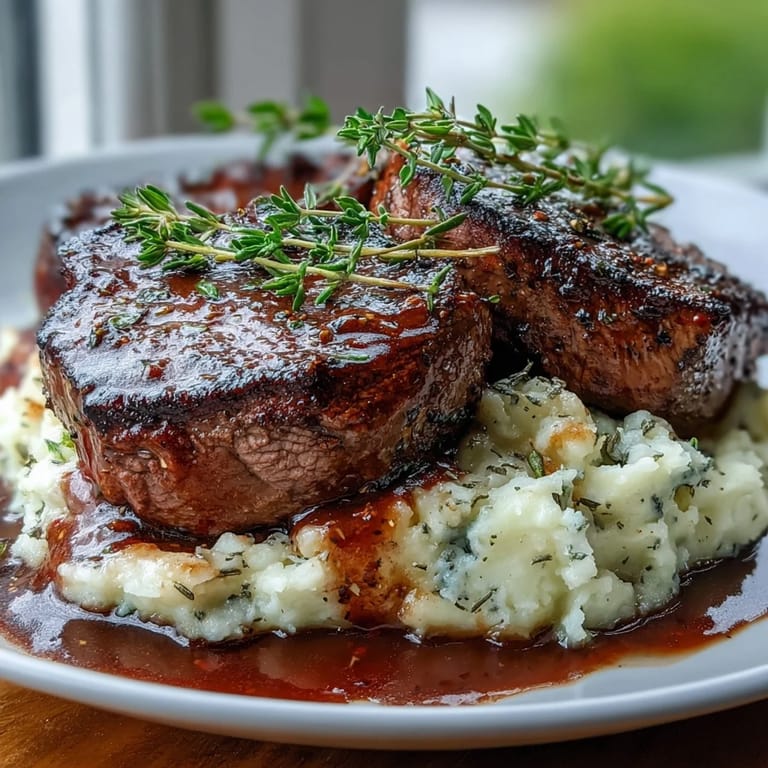
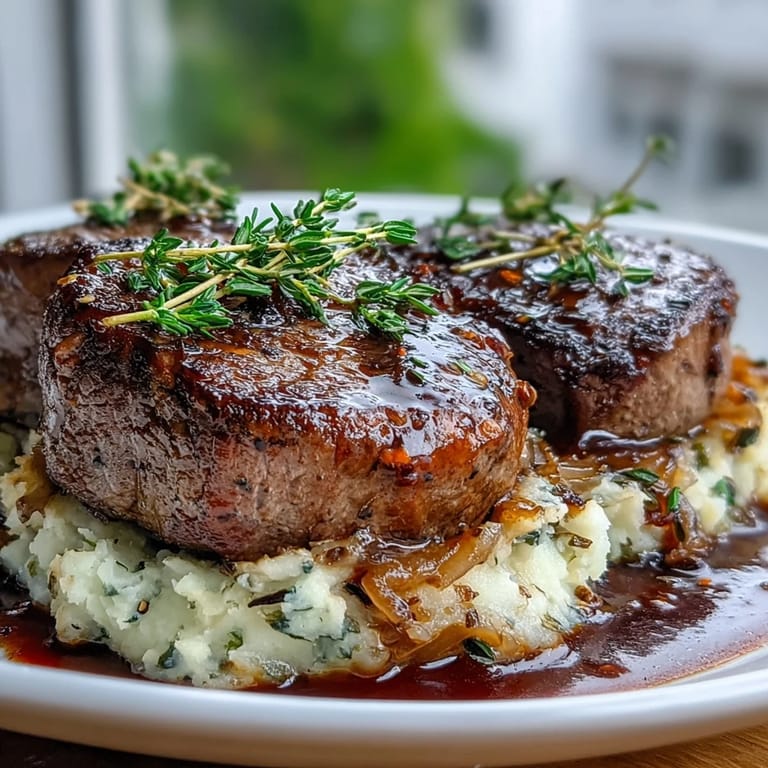
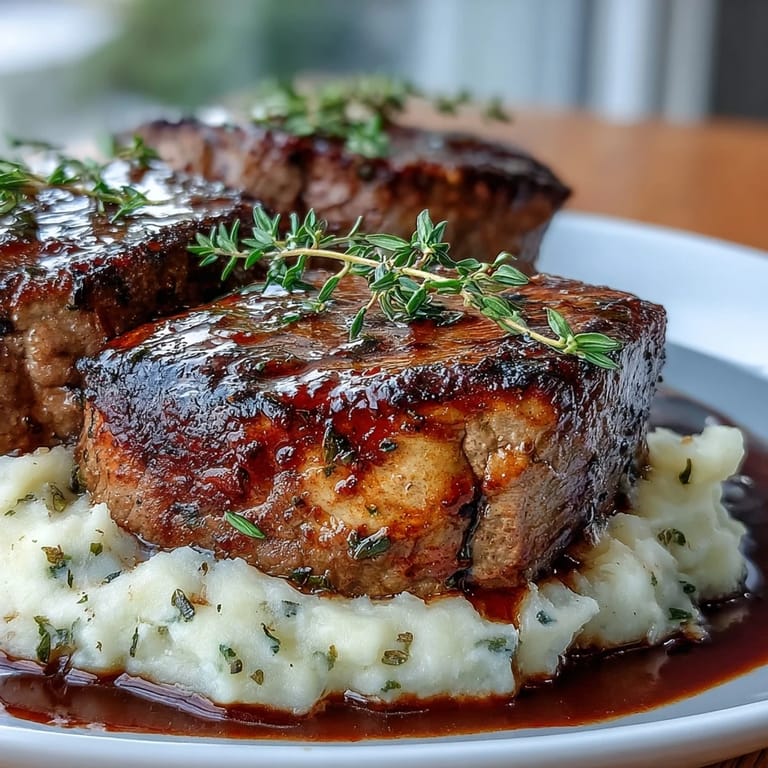
- Spoon the warm swede onto plates, lay the rested venison on top, and drizzle over the sauce if you made it. Serve immediately while everything's still hot.
 Save
Save The first time I served this to my dad, he looked at the plate suspiciously and said swede was cattle food. By the end of the meal, he was using his finger to get the last bit of mash off the plate. Sometimes the simplest ingredients, treated with a bit of care, surprise even the skeptics.
Choosing Your Venison
I've learned to ask the butcher where the venison came from and how long it's been hung. Wild venison has a deeper, more mineral flavour than farmed, but it can also be leaner and less forgiving if you overcook it. Farmed venison is milder, more consistent, and a safer bet if you're new to cooking game. Either way, look for steaks with a deep burgundy colour and a clean smell, never gamey or sour.
Getting the Timing Right
The swede takes the longest, so I always start that first and let it bubble away while I prep everything else. Venison cooks so quickly that it's better to have everything ready and waiting, mise en place, as the chefs say. If you time it right, the swede will be just finishing as the venison comes out to rest, and you can make the sauce in the same pan while the meat relaxes. It all comes together in a lovely, calm rhythm once you've done it a few times.
Storing and Reheating
The swede mash keeps beautifully in the fridge for up to three days and reheats gently in a covered pan with a splash of milk. Cooked venison doesn't reheat well, it dries out and loses its tender texture, so I only ever cook what I need. If you do have leftovers, slice the cold venison thinly and fold it into a salad or a warm grain bowl rather than trying to heat it through again.
- Store the mash and venison separately in airtight containers.
- Reheat the swede over low heat, stirring often, until warmed through.
- Use leftover venison cold within two days for best flavour and texture.
 Save
Save This dish has become my go to when I want something comforting but a little bit special, the kind of meal that feels like a treat without hours of work. I hope it brings as much warmth to your table as it has to mine.
Recipe FAQs
- → What is the best way to cook venison steaks without drying them out?
Venison is very lean, so the key is quick, high-heat searing (2-3 minutes per side) to medium-rare, followed by a 5-minute rest. Bringing the meat to room temperature before cooking ensures even doneness throughout.
- → Can I substitute the swede with another root vegetable?
Yes, you can use parsnip, celeriac, or a combination of both for half the swede. Each brings a slightly different sweetness or earthiness to complement the venison beautifully.
- → What does caraway add to the swede mash?
Toasted caraway seeds provide a warm, slightly anise-like flavor with earthy, peppery notes that enhance the natural sweetness of the swede and pair wonderfully with game meat.
- → How do I know when venison steaks are cooked to medium-rare?
Use a meat thermometer for accuracy—aim for 52-55°C internal temperature. The steaks should feel springy to the touch and still have a deep pink center after resting.
- → Is the red wine sauce necessary for this dish?
No, the dish is delicious without it. The sauce adds richness and acidity, but the venison and caraway swede are flavorful enough to stand alone. It's entirely optional based on your preference.
- → What wine pairs best with venison and swede?
A robust red wine like Syrah, Malbec, or Côtes du Rhône works beautifully. Look for wines with good body and earthy, peppery notes that complement the game meat and caraway spice.