 Save
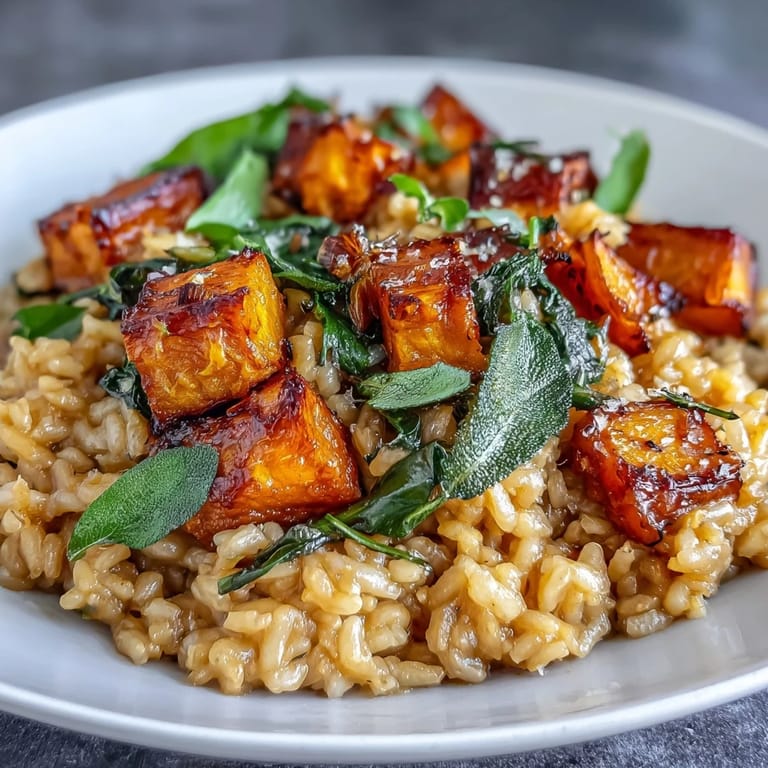
Save The scent of roasted pumpkin and toasted rice hit me the moment I stepped into my friend's tiny Milan apartment one rainy October evening. She was stirring a pot with one hand, phone tucked under her chin, explaining risotto to her mother in rapid Italian. I watched her ladle broth slowly, patiently, as if the rice deserved her full attention. That night, I learned risotto isn't rushed—it's a conversation between you and the pan.
I made this for a small dinner party on the first cold night of the season. Everyone gathered around the stove, drawn by the smell, asking questions and stealing tastes. By the time I plated it, the risotto had become a group effort—someone zested the lemon, another fried the sage. It stopped being my dish and became ours.
Ingredients
- Pumpkin (600 g, peeled and diced): Roasting it first concentrates the sweetness and keeps it from turning mushy in the risotto.
- Yellow onion (1 medium, finely chopped): The base of every good risotto, it melts into the background but holds everything together.
- Garlic (2 cloves, minced): Just enough to add warmth without overpowering the delicate pumpkin.
- Arborio rice (300 g): The short, starchy grains release creaminess as you stir, no dairy required.
- Vegetable broth (1.2 liters, kept warm): Cold broth shocks the rice and slows the cooking, so keep it simmering nearby.
- Dry white wine (120 ml, optional): It adds acidity and depth, but you can skip it if you prefer.
- Olive oil (3 tbsp, divided): Used for roasting, sautéing, and frying the sage—it's the backbone of flavor here.
- Fresh sage leaves (15 to 20): Frying them transforms their earthy bitterness into something crisp, fragrant, and almost sweet.
- Nutmeg (½ tsp, freshly grated): A tiny amount warms the dish from the inside, like a whisper of spice.
- Nutritional yeast (2 tbsp, optional): This gives a subtle cheesy flavor that makes the risotto feel richer without any dairy.
- Lemon zest (½ lemon, optional): A bright finish that cuts through the creaminess and wakes up your palate.
Tired of Takeout? 🥡
Get 10 meals you can make faster than delivery arrives. Seriously.
One email. No spam. Unsubscribe anytime.
Instructions
- Roast the Pumpkin:
- Preheat your oven to 200°C (390°F). Toss the diced pumpkin with 1 tbsp olive oil, salt, and pepper, then spread it on a baking tray and roast for 20 to 25 minutes until the edges turn golden and caramelized.
- Start the Base:
- Heat 1 tbsp olive oil in a large, deep skillet over medium heat. Add the chopped onion and cook for 3 to 4 minutes until it turns translucent, then stir in the garlic and cook for another minute until fragrant.
- Toast the Rice:
- Add the arborio rice to the pan and stir for 2 minutes, letting each grain get coated in oil and slightly toasted. You'll hear a gentle crackling sound.
- Deglaze with Wine:
- Pour in the white wine if using, and stir constantly until it's almost completely absorbed by the rice. The pan will sizzle and smell bright and tangy.
- Add Broth Slowly:
- Begin ladling in the warm vegetable broth, one scoop at a time, stirring frequently. Wait until the liquid is mostly absorbed before adding the next ladle, continuing this rhythm for 18 to 20 minutes until the rice is creamy and al dente.
- Fry the Sage:
- While the risotto cooks, heat the remaining 1 tbsp olive oil in a small skillet over medium high heat. Fry the sage leaves for 30 to 60 seconds until they crisp up, then transfer them to a paper towel to drain.
- Fold in the Pumpkin:
- Once the rice is nearly done, gently fold in the roasted pumpkin, nutmeg, and nutritional yeast if using. Taste and adjust the seasoning with salt and pepper.
- Serve:
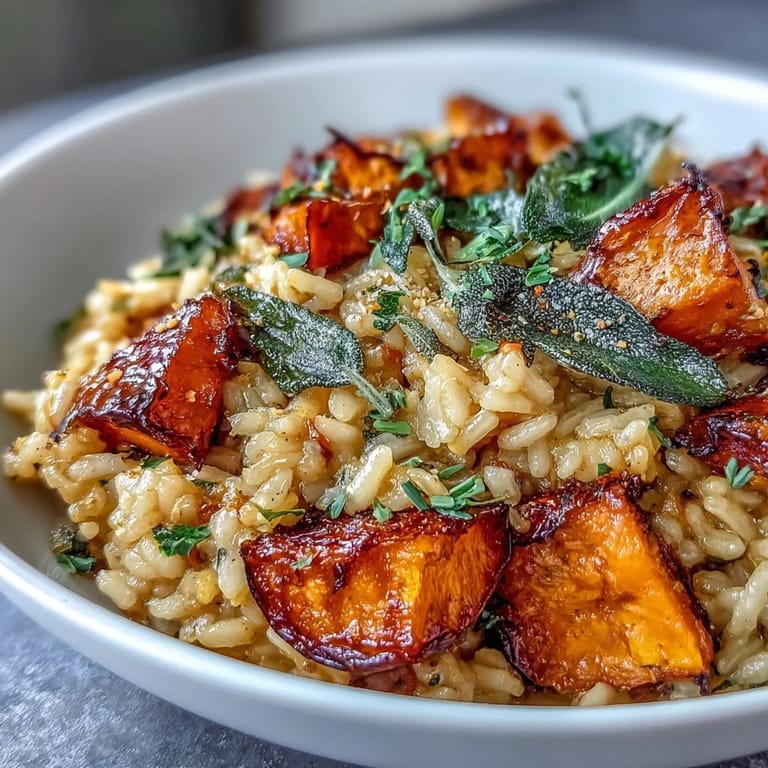
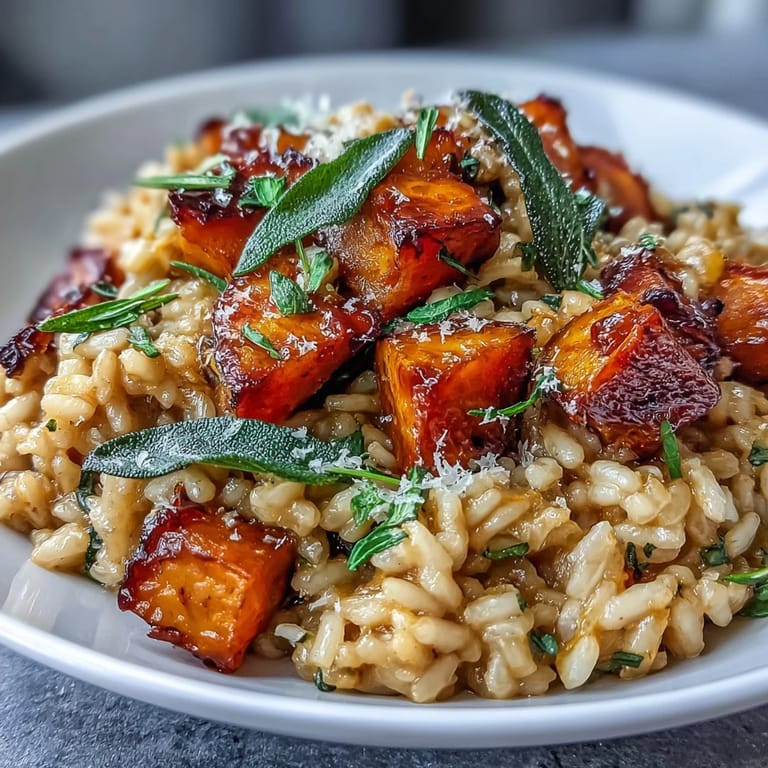
- Spoon the risotto into bowls while it's still hot and creamy. Top each serving with crispy sage leaves and a sprinkle of lemon zest if desired.
 Save
Save One evening, I served this to someone who swore they didn't like pumpkin. They went quiet after the first bite, then asked for seconds. Later, they admitted it was the sage that won them over—the way it crackled against the creamy rice. Sometimes, it's the small details that change someone's mind.
How to Get the Creamiest Texture
The secret lies in patience and warmth. Keep your broth simmering on a back burner so it stays hot, and add it slowly, giving the rice time to release its starch with each stir. Resist the urge to dump in all the liquid at once—it's the gradual absorption that creates that signature velvety consistency. If the risotto thickens too much before serving, stir in a splash more broth to loosen it.
What to Pair With This Dish
This risotto is rich enough to stand alone, but a simple arugula salad with lemon and olive oil balances it beautifully. A crisp vegan white wine, like a Pinot Grigio or Vermentino, cuts through the creaminess without competing with the pumpkin. If you want something heartier, serve it alongside roasted Brussels sprouts or sautéed greens with garlic.
Storage and Reheating Tips
Risotto is best enjoyed fresh, but leftovers can be stored in an airtight container in the fridge for up to two days. When reheating, add a few tablespoons of vegetable broth or water and warm it gently on the stovetop, stirring frequently to bring back the creamy texture. The crispy sage won't survive storage, so fry fresh leaves just before serving again.
- Don't microwave risotto—it dries out unevenly and loses its silky texture.
- You can also shape cold risotto into patties and pan fry them for crispy rice cakes the next day.
- Freeze individual portions if you want to save some for later, then thaw and reheat gently with extra broth.
 Save
Save There's something grounding about standing over a pot, stirring slowly, watching rice transform into something creamy and golden. This risotto has become my autumn ritual, a dish that asks for my time and rewards it with warmth.
Recipe FAQs
- → Can I use a different type of squash instead of pumpkin?
Yes, butternut squash works perfectly as a substitute. It has a similar sweetness and texture when roasted, and will create the same creamy consistency in the risotto.
- → How do I know when the risotto is done?
The rice should be al dente with a slight bite in the center, and the overall texture should be creamy and flow slightly when plated. This typically takes 18-20 minutes of adding broth gradually.
- → What can I use instead of white wine?
Simply skip the wine and add an extra ladleful of vegetable broth. You can also use a splash of white wine vinegar or lemon juice for acidity if desired.
- → How do I make the risotto extra creamy without dairy?
Blend half of the roasted pumpkin until smooth before adding it to the risotto. The nutritional yeast also adds a creamy, cheesy quality. Stirring frequently helps release the rice's natural starches for creaminess.
- → Can I prepare any components ahead of time?
Yes, you can roast the pumpkin up to a day in advance and store it in the refrigerator. The risotto itself is best cooked fresh, but having the pumpkin ready saves time.
- → Why do the sage leaves need to be fried separately?
Frying sage leaves in hot oil for just 30-60 seconds makes them wonderfully crispy and intensifies their aromatic flavor. Adding them at the end preserves their texture as a garnish.