 Save
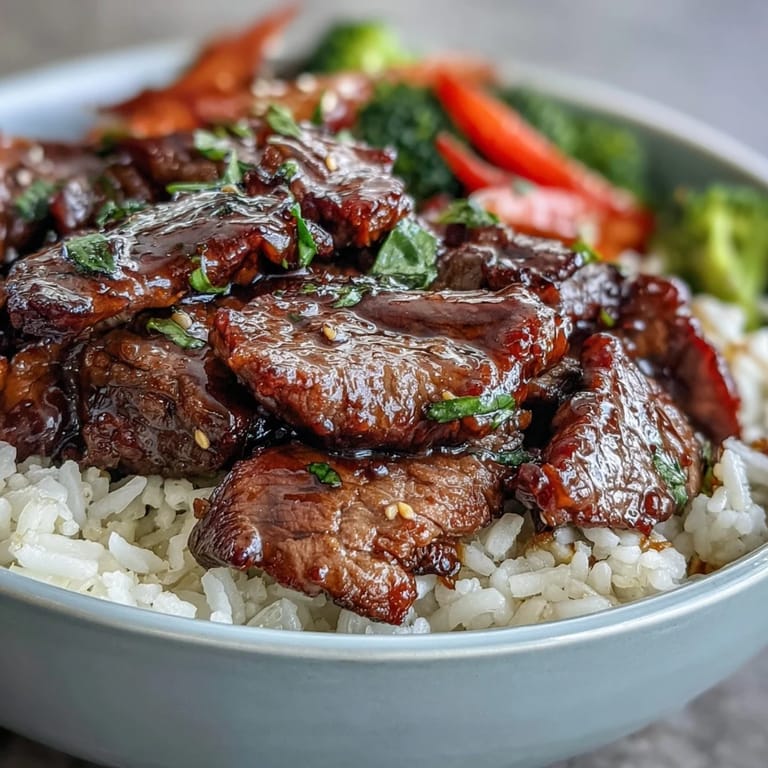
Save My neighbor Marcus showed up one evening with a steaming takeout container and said, "Try this," and I was completely hooked on the combination of tender beef, glossy sauce, and that perfect rice underneath. That night I decided I had to figure out how to make it at home, and after a few attempts, I realized the magic wasn't complicated at all—it was about getting the sauce right and not overthinking the cooking. Now this bowl is what I reach for when I want something that tastes like the restaurant version but takes barely half an hour from start to finish.
I made this for my partner on a random Tuesday when they came home stressed from work, and watching their whole face relax after the first bite reminded me how powerful good food can be without being complicated. The way the sauce gleamed under the kitchen light as I was plating made it feel more special than it actually was.
Ingredients
- Flank steak or sirloin, thinly sliced: Get your butcher to slice it for you if they can—it saves time and ensures even cooking, plus thin pieces cook through in minutes without turning tough.
- Cornstarch for the beef: This creates that silky coating that helps the meat stay tender and gives a subtle texture you notice when you bite into it.
- Vegetable oil: Use something neutral that can handle high heat; I learned the hard way that olive oil smokes too much here.
- Soy sauce: This is half the soul of the dish, so don't skimp on quality—the deeper umami flavor makes everything taste more developed.
- Mirin: This sweet rice wine is what separates a good teriyaki from a flat one; it adds a subtle depth that honey alone can't quite match.
- Honey or brown sugar: I use honey when I want the sauce to feel silkier, but brown sugar works beautifully if that's what you have on hand.
- Rice vinegar: Just a bit of acidity wakes up the whole sauce and keeps it from being cloying.
- Fresh garlic and ginger: Minced small so they dissolve into the sauce rather than staying chunky and overpowering.
- Cornstarch slurry: This is what transforms the sauce from thin to glossy and cling-able; make sure it's actually mixed with water before you add it or you'll have lumps.
- Carrots, bell pepper, and broccoli: Pick vegetables that won't turn mushy in 3 minutes; I learned to cut everything roughly the same size so it cooks evenly.
- Spring onions and sesame seeds: These are the finishing touches that make it feel intentional and pretty on the plate.
- Cooked rice: Use rice that's still warm; cold rice gets clumpy when the hot sauce hits it.
Tired of Takeout? 🥡
Get 10 meals you can make faster than delivery arrives. Seriously.
One email. No spam. Unsubscribe anytime.
Instructions
- Make the sauce first:
- Combine soy sauce, mirin, honey, rice vinegar, minced garlic, and grated ginger in a small saucepan and let it come to a gentle simmer over medium heat. The aroma that rises is basically the whole promise of this dish—sweet and salty and alive. Once it's bubbling slightly, mix your cornstarch slurry and whisk it in slowly while stirring; you'll watch it transform from thin to glossy in about 2 to 3 minutes.
- Prep and coat the beef:
- While the sauce simmers, toss your thin beef slices with a tablespoon of cornstarch until every piece has a light coating. This step takes maybe 2 minutes but it's what keeps the meat tender instead of tough.
- Sear the beef until just cooked:
- Get your skillet or wok seriously hot over high heat, add the vegetable oil, and watch it shimmer. Once it's shimmering, add the beef all at once and don't stir it for the first minute—let it get a little color and develop some texture. After a minute, toss it around for another minute or two until it's browned on the outside but still pink in the middle; remember that it'll cook a tiny bit more when the sauce goes back in.
- Sauté the vegetables until just tender:
- In the same skillet, add your carrot, bell pepper, and broccoli and keep the heat high. Stir occasionally for about 3 to 4 minutes—you want them to have a bit of crispness still, not be soft all the way through.
- Bring it all together:
- Return the beef to the skillet, pour the teriyaki sauce over everything, and toss gently until every piece is coated in that glossy richness. Let it heat through for just a minute so the sauce clings to everything.
- Plate and finish:
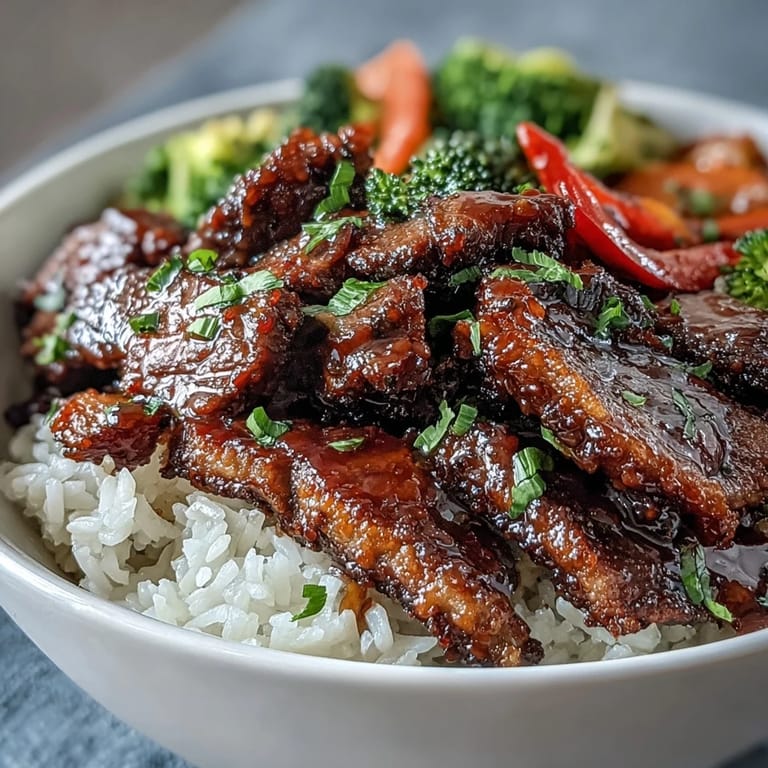
- Divide your warm rice among bowls, top with the beef and vegetables, pour extra sauce over, and scatter the spring onions and sesame seeds on top. This is where it goes from looking good to looking like it came from a restaurant.
 Save
Save There's a moment when you pour that glossy sauce over the hot beef and vegetables, and the steam rises up and the sesame seeds settle on top, where you realize this simple bowl somehow feels celebratory. It's the kind of dish that makes you feel proud for about three seconds before you dive in.
Why This Works as Comfort Food
This bowl hits differently because every component has a job—the rice soaks up the sauce, the vegetables add a little crack and color, the beef is the anchor, and the sauce ties it all together. There's something deeply satisfying about a meal where everything works in harmony like that, where nothing is trying too hard and nothing feels forgotten.
Timing It So Everything Finishes Together
The reason this meal comes together in 35 minutes is because you're not marinating or waiting around—everything happens in stages but they overlap so you're not standing around watching. Start your rice if it's not already done, make the sauce while you're prepping your beef, cook the beef while the vegetables are next, and by the time you're tossing it all together, your rice is warm and ready. I used to make everything separately and let it get cold waiting to come together, but now I've learned to time it so the heat carries through from pan to plate.
Making It Your Own
The structure of this bowl is flexible enough that you can swap in what you have or what you're craving—chicken gets tender and wonderful in the same time frame, tofu absorbs the sauce beautifully if you press it first, and you can add or subtract vegetables based on the season or what's in your crisper. I've made it with edamame, added mushrooms for earthiness, thrown in snap peas for more crunch, and it never disappoints because the sauce and the technique stay the same.
- If you're making this gluten-free, use tamari instead of soy sauce and it tastes just as deep and complex.
- Keep your rice warm after cooking so it accepts the sauce instead of being cold and clumpy when you plate.
- Taste the sauce before you pour it over everything and adjust the sweetness or saltiness if your palate wants it different.
 Save
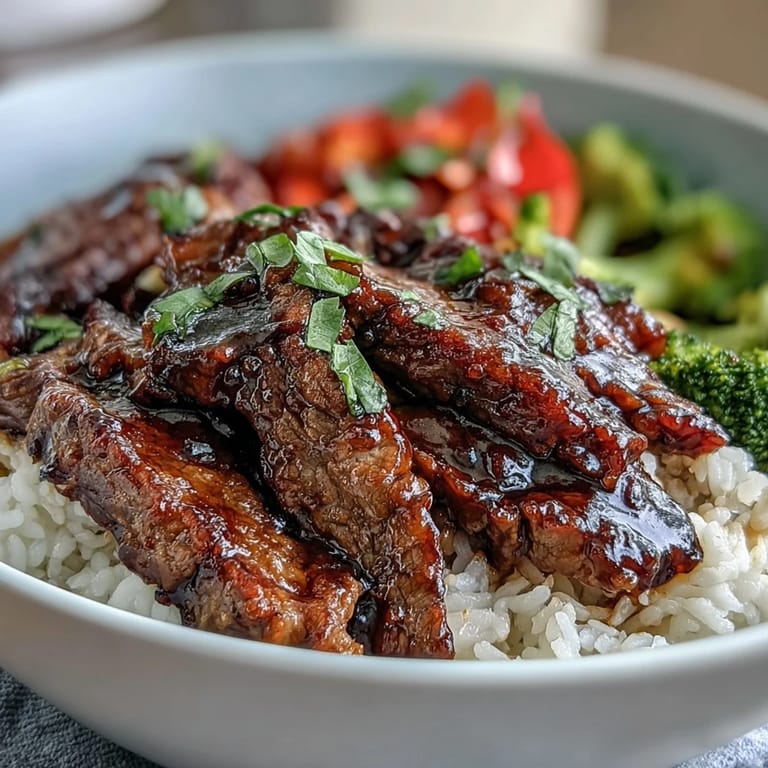
Save This is the kind of recipe that quietly becomes part of your regular rotation because it never disappoints and it doesn't demand much from you. It's fast enough for weeknights and good enough to feel special without any fuss.
Recipe FAQs
- → What cut of beef works best?
Flank steak or sirloin are ideal choices. Slice the beef thinly against the grain for the most tender results. The quick cooking time keeps the meat from becoming tough.
- → Can I make this gluten-free?
Yes, simply substitute regular soy sauce with tamari or a certified gluten-free soy sauce alternative. All other ingredients naturally contain no gluten.
- → How do I store leftovers?
Store components separately in airtight containers in the refrigerator for up to 3 days. Reheat the beef and vegetables gently, adding a splash of water if the sauce has thickened too much.
- → What vegetables can I substitute?
Snap peas, edamame, mushrooms, zucchini, or baby corn all work beautifully. Use whatever crisp vegetables you have on hand for similar texture and flavor profiles.
- → Can I use chicken instead?
Absolutely. Thinly sliced chicken breast or thighs work well with the same cooking method and timing. The teriyaki glaze pairs perfectly with poultry.
- → Is the sauce too sweet?
The sweetness balances the salty soy sauce. Reduce the honey or brown sugar if you prefer a less sweet version, or add extra rice vinegar for more tanginess.