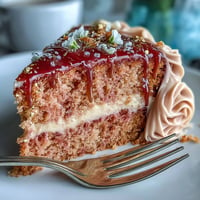
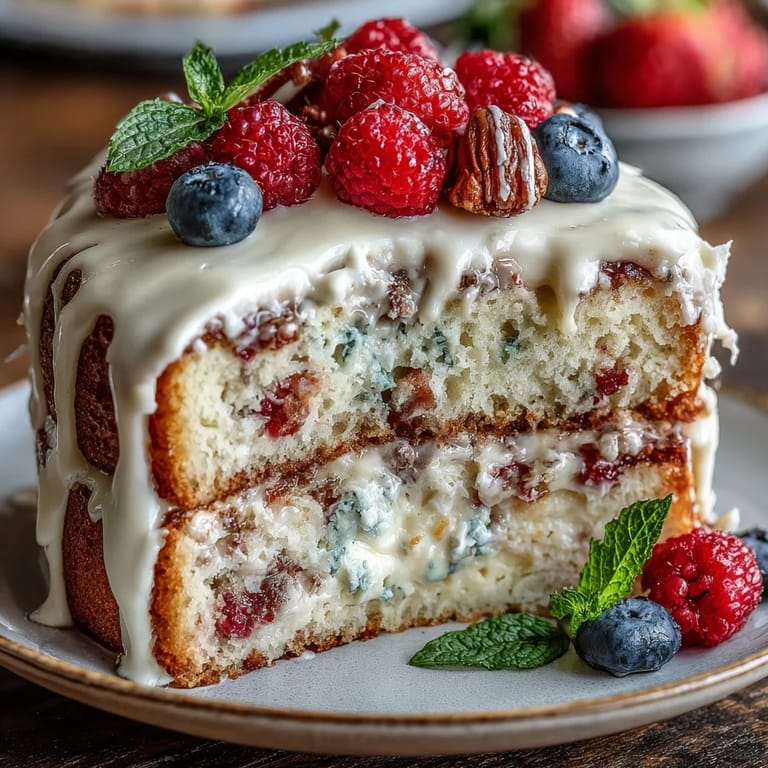
 Save
Save My sister called me three days before her spring birthday party in a mild panic—she'd promised a homemade cake but had zero time to fuss with something complicated. I found myself standing in her kitchen on a Tuesday evening, watching afternoon light pour through the windows, thinking about how a good sheet cake could actually be the most elegant solution. The vanilla base is forgiving and tender, the lemon curd filling tastes like bottled sunshine, and the whipped cream frosting feels light enough for warm weather celebrations. When I pulled it from the oven and the whole house filled with that buttery vanilla-lemon aroma, I knew we'd found exactly what the party needed.
What I didn't expect was watching guests come back for seconds, talking about how the flavors reminded them of spring itself. One cousin mentioned it tasted like the difference between winter baking and the moment you realize warm weather is actually coming. That moment—realizing a dessert had become part of someone's memory of the day—made me understand why this particular combination works so well for celebrations.
Ingredients
- All-purpose flour (2 ½ cups): The backbone of your cake structure; make sure it's fresh and lightly spoon-and-leveled into your measuring cup rather than scooped directly from the bag, which compacts it.
- Baking powder and baking soda (2 ½ tsp and ½ tsp): These two work together to give you rise and tender crumb; don't skip the baking soda or the cake will taste slightly flat.
- Salt (½ tsp): A small but essential amount that makes every other flavor pop without being noticeable itself.
- Unsalted butter (1 cup plus ¼ cup): Room temperature butter creams properly, which traps air and creates that light, fluffy texture you're after.
- Granulated sugar (2 cups for cake, ½ cup for curd): The cake sugar needs creaming time to fully incorporate; rush this step and your crumb becomes dense.
- Eggs (4 large plus 4 yolks): Room temperature eggs blend smoothly into the batter and help bind everything together; cold eggs can cause the mixture to look curdled.
- Vanilla extract (1 tbsp plus 1 tsp): Use real vanilla, not imitation, if you can—it rounds out the lemon and keeps the cake from tasting one-dimensional.
- Whole milk (1 cup): Room temperature milk incorporates evenly into the batter and prevents sudden temperature shock that can break the emulsion.
- Lemon zest (1 from cake, 2 from curd): The zest carries bright, concentrated lemon flavor that the juice alone can't deliver; use a microplane for the finest texture.
- Fresh lemon juice (⅓ cup): Fresh is non-negotiable here—bottled juice tastes flat and slightly metallic when cooked into curd.
- Heavy cream (2 cups): Must be cold and ideally at least 36 percent butterfat, or it won't whip properly into stiff peaks.
- Powdered sugar (½ cup): Dissolves instantly into whipped cream without grittiness, unlike granulated sugar.
- Fresh berries and edible flowers: These are optional but transform the cake from homemade to celebration-worthy in seconds; they also hide any imperfect frosting spots.
Tired of Takeout? 🥡
Get 10 meals you can make faster than delivery arrives. Seriously.
One email. No spam. Unsubscribe anytime.
Instructions
- Set your stage:
- Preheat the oven to 350°F and grease your 9x13-inch sheet pan thoroughly, then line it with parchment paper—this double protection means your cake will slide out cleanly. Having everything ready before you start mixing is the difference between a smooth baking session and a scrambled one.
- Build your dry base:
- Whisk together the flour, baking powder, baking soda, and salt in a medium bowl; this aerates the flour and distributes the leavening agents evenly. Set it aside and don't overthink this part—a simple whisk for about thirty seconds does the job.
- Cream butter and sugar:
- Beat softened butter and sugar together with an electric mixer for 3 to 4 minutes until the mixture looks pale, fluffy, and almost mousse-like; this is where you're whipping air into the batter that will become your tender crumb. Stop occasionally to scrape down the bowl and make sure nothing hides underneath.
- Add eggs one at a time:
- Drop each egg in individually and beat for about a minute before adding the next one; this allows the mixture to properly emulsify instead of looking broken or separated. Once all four are incorporated, add the vanilla and lemon zest and mix until you can't see the zest pieces anymore.
- Alternate wet and dry ingredients:
- Here's where patience matters: add one-third of the flour mixture, beat until just combined, then add half the milk, then another third of flour, then the remaining milk, then finish with the last flour portion. Starting and ending with dry ingredients prevents the batter from becoming too thin and activating the gluten.
- Pour and bake:
- Transfer the batter into your prepared pan, smooth the top with an offset spatula, and slide it into the oven. Bake for 28 to 32 minutes, checking doneness by inserting a toothpick into the center—it should come out with just a few moist crumbs, not wet batter.
- Make the lemon curd while cake cools:
- In a small saucepan, whisk together egg yolks, sugar, lemon juice, and zest, then cook over medium-low heat while stirring constantly for 5 to 7 minutes until it thickens enough to coat the back of a spoon. Remove from heat, whisk in cubed butter until smooth and glossy, then transfer to a bowl, cover the surface directly with plastic wrap (this prevents a skin from forming), and chill until cold.
- Prepare whipped cream frosting:
- Using a chilled bowl and beaters, whip cold heavy cream with powdered sugar and vanilla until stiff peaks form—this takes about 2 to 3 minutes depending on how cold your cream is. If you over-whip, it'll start looking grainy and you'll be on the edge of making butter, so watch carefully toward the end.
- Slice and layer:
- Once the cake is completely cool, use a serrated knife or a cake leveler to carefully slice it horizontally into two layers; take your time here because haste leads to crumbs in places you don't want them. Carefully lift off the top layer, spread the chilled lemon curd evenly over the bottom layer, then gently replace the top layer.
- Frost and decorate:
- Spread the whipped cream frosting evenly over the top and sides of the cake using an offset spatula; if your frosting is too soft, chill it for 10 minutes before frosting. Top with fresh berries, edible flowers, or lemon zest curls, pressing them gently so they stay in place.
- Final chill:
- Refrigerate the assembled cake for at least 1 hour before slicing, which allows the layers to set and makes cutting remarkably clean. This waiting period also ensures the whipped cream frosting stays stable throughout serving.
 Save
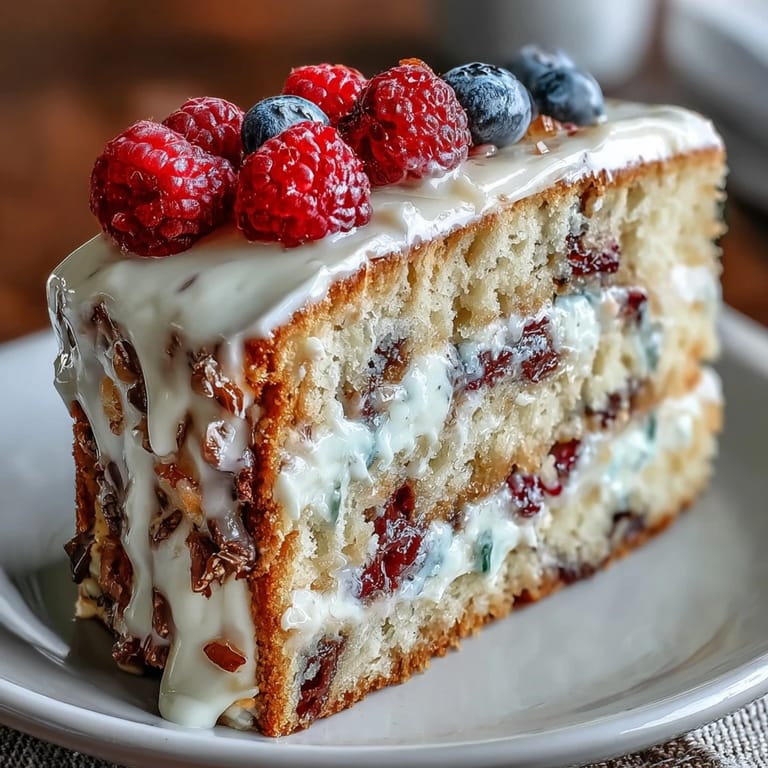
Save The birthday party happened on a Saturday afternoon, and I watched my sister carry this cake to the table while sunlight caught the berries and made the whole thing glow. She'd already told me she was keeping this recipe for future celebrations, which felt like the highest compliment possible.
Why Homemade Lemon Curd Changes Everything
Store-bought lemon curd works in a pinch, but homemade curd has a depth of flavor that comes from cooking fresh lemon juice and zest together with egg yolks and butter. The moment you taste the difference, you'll understand why people make it from scratch—it's brighter, more complex, and tastes like actual lemons rather than a generic lemon flavoring. If you've only ever used the jarred version, this is worth the seven-minute cook time.
The Difference Between Whipped Cream and Other Frostings
Buttercream frosting would be too heavy on top of lemon curd, and cream cheese frosting would fight with the tanginess rather than complement it. Whipped cream frosting lets the lemon shine while still providing structure and elegance, and it feels appropriate for spring celebrations when everyone's ready for lighter, brighter flavors. The bonus is that it requires no cooking and no special ingredients beyond what's already in your refrigerator.
Assembly Tips and Timing
The bake-to-table timeline for this cake is actually reasonable—you can mix the batter while the oven preheats, have the cake cooling within an hour, and be serving dessert by dinner if you plan ahead. The lemon curd can even be made a day in advance and stored in the refrigerator, so you can spread it on fresh frosting whenever you're ready. This flexibility makes it perfect for people who want an impressive homemade cake without the stress of timing everything to happen at once.
- Measure all your ingredients before you start mixing so you're never searching for something mid-batter.
- Use a serrated bread knife rather than a chef's knife when slicing the cake horizontally—the serrated edge grips the cake instead of crushing it.
- If you need to make this cake a few hours ahead, chill it assembled and frosted, then let it sit at room temperature for 15 minutes before slicing so the cake is tender rather than cold and dense.
 Save
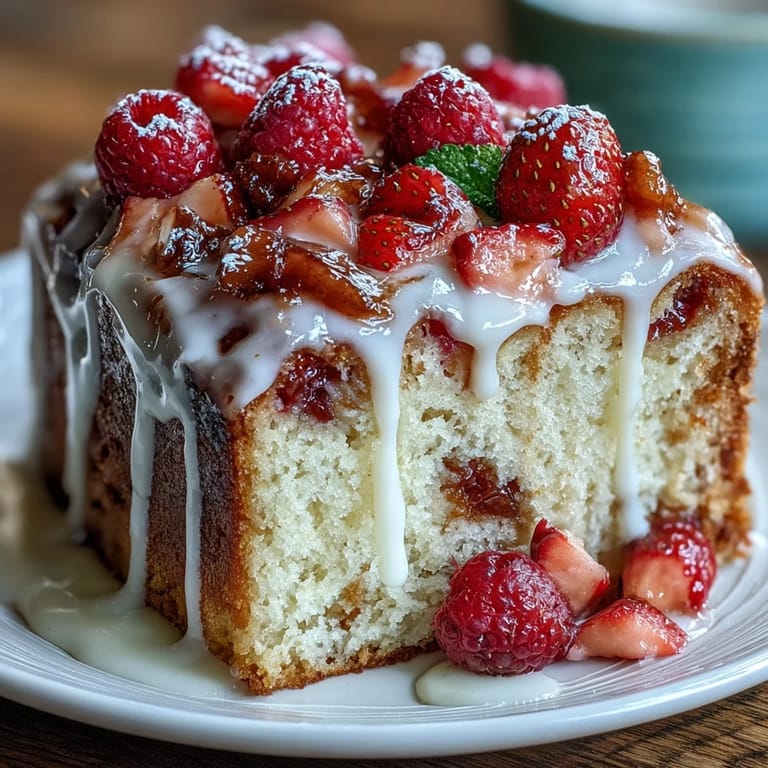
Save This cake works for spring birthdays, Easter celebrations, or any moment when you want dessert that tastes like the season itself. Make it once and you'll find reasons to return to it again and again.
Recipe FAQs
- → How do I make the lemon curd filling?
Whisk egg yolks, sugar, lemon juice, and zest over low heat until thickened, then stir in butter until smooth. Chill before use.
- → How can I ensure clean slices when serving?
Chill the assembled cake for at least an hour and use a serrated knife for easier, neater cuts.
- → Can I prepare this in advance?
Yes, baking and assembling ahead of time improves flavor melding. Keep chilled until serving.
- → What decorations work well for this cake?
Fresh berries like strawberries and raspberries, edible flowers, or lemon zest curls enhance appearance and freshness.
- → Is it possible to use store-bought lemon curd?
Substituting homemade with store-bought lemon curd saves time and still adds citrus brightness.