 Save
Save My grandmother used to say that fried chicken was the one dish that could make any table feel like home, and I spent years watching her fry batch after batch in cast iron, the kitchen filling with that unmistakable golden-brown aroma. When I finally moved into my own place, I realized I didn't want to deal with hot oil splattering everywhere, so I started experimenting with oven-baking—and discovered something almost magical: you get that same crispy, golden exterior without the mess, and honestly, without the guilt. This version with hot honey is what I've been making for Sunday dinners ever since, and it's become the recipe everyone asks for.
I made this for my brother's birthday last summer, and he showed up skeptical—he's a fried chicken purist—but after one bite he actually went quiet for a moment, which is rare for him. The combination of that peppery breading and the sweet-spicy honey glaze seemed to hit something in his memory too, and we ended up talking about all the family dinners we'd missed. That's when I knew this recipe had become something beyond just chicken on a plate.
Ingredients
- Bone-in, skin-on chicken pieces: Drumsticks and thighs are your best friends here—they stay juicier than breast meat and crisp up beautifully under the high heat.
- Buttermilk: This acidic marinade breaks down the proteins and tenderizes the chicken from the inside out; don't skip the overnight soak if you have time.
- All-purpose flour and cornmeal blend: The cornmeal adds a subtle texture and grittiness that fried chicken lovers crave, while the flour keeps it light and crispy.
- Paprika, garlic powder, onion powder, and cayenne: These aren't just background players—they build layers of flavor that make each bite taste intentional and seasoned.
- Honey for the drizzle: Raw or pasteurized both work, but make sure it's truly liquid so it blends smoothly with the hot sauce and cayenne.
Tired of Takeout? 🥡
Get 10 meals you can make faster than delivery arrives. Seriously.
One email. No spam. Unsubscribe anytime.
Instructions
- Prepare the marinade and soak the chicken:
- Whisk together buttermilk, hot sauce, salt, pepper, garlic powder, and paprika in a large bowl, then submerge the chicken pieces completely and cover with plastic wrap. If you can only spare 2 hours, that's fine, but leaving it overnight in the fridge is where the real magic happens—the chicken absorbs all those flavors and becomes incredibly tender.
- Get your oven and pan ready:
- Heat your oven to 425°F and line a baking sheet with parchment paper or a wire rack, then lightly oil it so nothing sticks. A wire rack is ideal because it lets hot air circulate underneath, but parchment works beautifully too if that's what you have.
- Build the breading mixture:
- Combine flour, cornmeal, paprika, garlic powder, onion powder, cayenne, salt, and pepper in a shallow dish—a pie pan or wide shallow bowl works perfectly. Make sure everything is evenly distributed so each piece of chicken gets the full seasoning blend.
- Coat the chicken:
- Pull each piece from the marinade, let excess liquid drip off for just a second, then press it firmly into the flour mixture, making sure all sides are covered in that seasoned coating. The pressing motion is key—it helps the breading adhere instead of falling off during baking.
- Arrange and oil:
- Lay the coated chicken pieces on your prepared baking sheet skin-side up, leaving a little space between each one so the heat can circulate. Spray or drizzle the tops lightly with oil—this is what creates that deep golden crust.
- Bake until golden and cooked through:
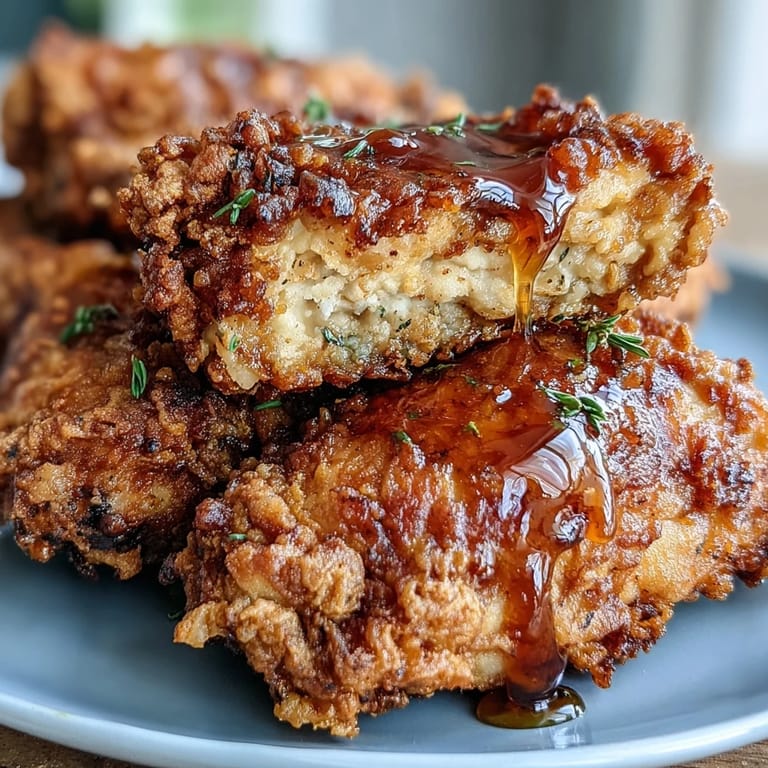
- Slide the baking sheet into your 425°F oven and set a timer for about 20 minutes, then flip each piece and bake for another 15–20 minutes until the exterior is deeply golden and an instant-read thermometer inserted into the thickest part reads 165°F. You'll see the breading turn from pale to golden to a beautiful mahogany color—that's when you know it's perfect.
- Make the hot honey while the chicken finishes:
- In a small saucepan, combine honey, hot sauce, and cayenne (if you want extra heat) and warm it gently over low heat, stirring occasionally until everything blends together into a silky glaze. Don't let it get too hot or you'll lose some of that honey's subtle floral notes.
- Finish and serve:
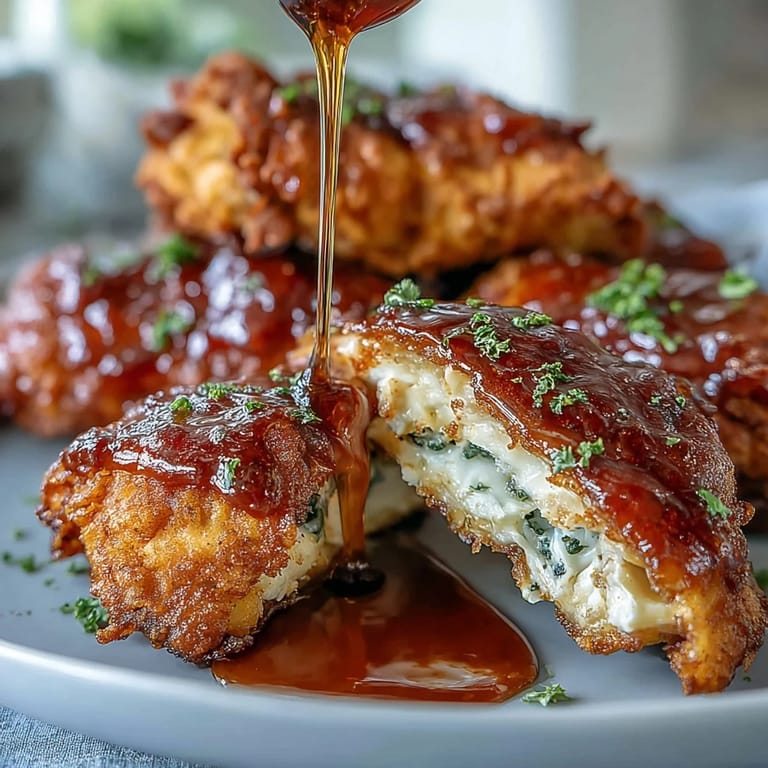
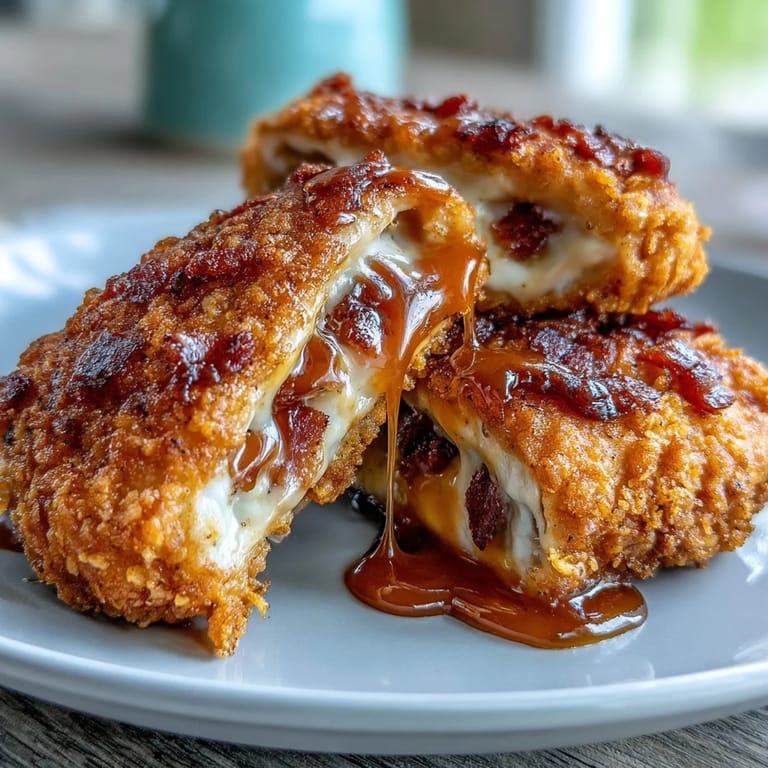
- Remove the chicken from the oven, let it rest for a minute, then drizzle generously with that still-warm hot honey so it clings to the crispy coating and pools on the plate. Serve immediately while everything is hot and the honey is still slightly warm.
 Save
Save I learned the hard way that rushing the marinade stage results in chicken that tastes a little flat, so now I always start this recipe the day before, letting the buttermilk do its patient work overnight. There's something comforting about knowing the hardest part is already done when you wake up, and you're just 40 minutes away from dinner.
Why the Oven Method Works
Baking at a high temperature (425°F) mimics the intense heat of a deep fryer, but without requiring you to babysit a pot of oil or worry about splatters on your stovetop. The parchment paper or wire rack setup means the chicken sits in circulating heat, crisping from all angles. I've made this a hundred different ways, and I keep coming back to this method because it's foolproof and the chicken comes out tasting fried, even though it's not.
The Hot Honey Magic
Hot honey has become such a popular finish lately, but it works because of contrast—the heat wakes up your palate, the sweetness balances the savory breading, and the warmth makes everything feel luxurious. When you drizzle it over crispy chicken, it soaks into all the nooks and crannies while still clinging to the surface, so every bite has both sweetness and spice. I've experimented with different hot sauces and honey varieties, and honestly, the simpler the ingredients, the better the result.
Serving Suggestions and Storage
This chicken is perfect alongside collard greens sautéed with garlic, creamy mashed potatoes, and warm biscuits—it's the ultimate comfort meal that feels both casual and special at the same time. Leftovers keep in the refrigerator for up to three days and are actually delicious cold the next day, though I prefer reheating them gently in a low oven so the coating stays crispy.
- Pair with tangy coleslaw to cut through the richness and add a fresh crunch.
- Serve with cornbread or buttered biscuits to soak up any extra hot honey drippings.
- If you make this ahead, store the hot honey separately and warm it gently before serving.
 Save
Save Every time I make this, I'm reminded that the best recipes aren't about fancy techniques or rare ingredients—they're about showing up for the people at your table and feeding them something that tastes like home. This chicken does exactly that.
Recipe FAQs
- → How do I achieve crispy chicken without deep-frying?
Coating the marinated chicken in a mixture of flour and cornmeal and baking at a high temperature creates a crispy exterior without frying.
- → Can I adjust the spice level of the hot honey drizzle?
Yes, increasing or reducing the cayenne pepper in the hot honey mixture allows you to customize the heat to your preference.
- → What is the purpose of marinating the chicken in buttermilk and spices?
Marinating tenderizes the chicken and infuses it with flavor, ensuring juicy and well-seasoned meat after baking.
- → Can I use a gluten-free flour substitute for the breading?
Absolutely, substituting with gluten-free flour and cornmeal works well for a gluten-free adaptation without compromising texture.
- → What temperature should the oven be set to for best results?
Preheat the oven to 425°F (220°C) to ensure the chicken cooks through while developing a crispy, golden crust.
- → Is double-dipping the chicken recommended for extra crunch?
Yes, dipping the chicken back into the marinade and coating it again before baking intensifies the crunchiness of the crust.