 Save
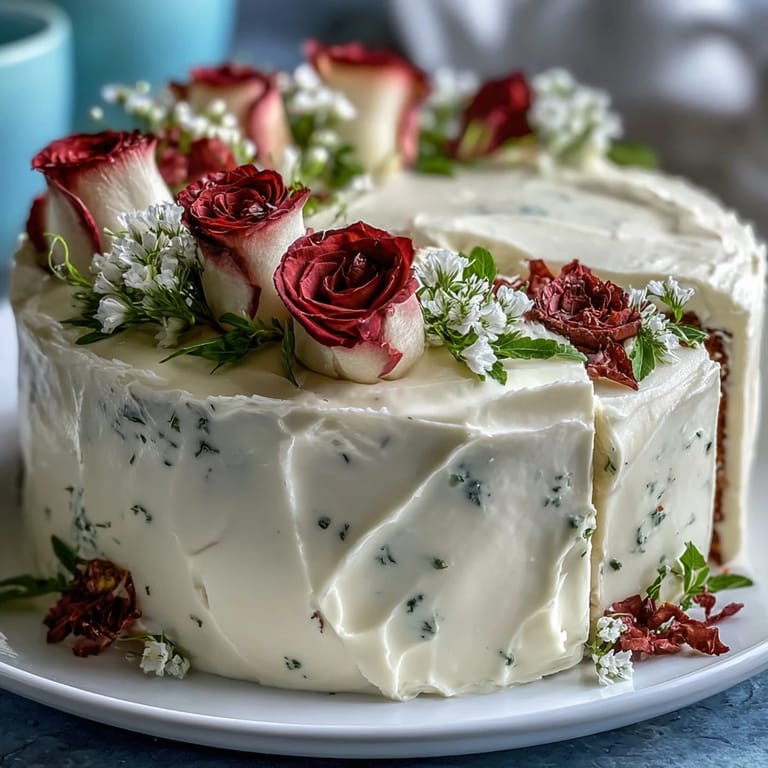
Save My cousin called me in a panic two days before her graduation ceremony, asking if I could make a cake that looked as impressive as her accomplishment felt. I'd never piped roses before, but something about the challenge excited me more than it terrified me. Standing in my kitchen at midnight, squeezing buttercream through a petal tip for the first time, I realized this wasn't just about baking—it was about creating a moment she'd remember forever. That sheet cake became my crash course in celebration, one wobbly rose at a time.
Watching my cousin's friends gather around that cake at her party, snapping photos before taking a slice, felt like the sweetest kind of victory. One girl leaned over and whispered that she'd never seen a homemade cake this elegant, and my cousin's smile told me everything about why this recipe mattered. It wasn't fancy or complicated—it was just made with intention, and that made all the difference.
Ingredients
- All-purpose flour (3 cups): The foundation of a tender crumb; make sure it's measured correctly by spooning and leveling, not scooping directly from the bag.
- Baking powder and baking soda (2½ tsp and ½ tsp): These two work together to give the cake its light, airy rise without making it taste metallic or bitter.
- Salt (½ tsp): A small amount brings out the vanilla flavor and balances the sweetness so the cake doesn't taste one-dimensional.
- Unsalted butter (1 cup plus 1½ cups): Room temperature is non-negotiable; cold butter won't cream properly and your cake will be dense instead of fluffy.
- Granulated sugar (2 cups): This dissolves into the butter to create a light, mousse-like base that traps air and creates texture.
- Eggs (4 large): Room temperature eggs incorporate smoothly into the batter, giving the cake structure and richness without deflating.
- Vanilla extract (1 tbsp plus 2 tsp): Use pure vanilla, not imitation; you'll taste the difference in every bite, especially since vanilla is the star flavor.
- Whole milk (1¼ cups plus ¼ cup): Room temperature milk prevents shocking the batter and ensures it combines evenly without lumps.
- Powdered sugar (6 cups, sifted): Sifting removes lumps so your buttercream stays silky smooth and pipes beautifully without breaking apart.
- Gel food coloring (assorted): Gel colors give vibrant shades without watering down your buttercream like liquid colors do.
Tired of Takeout? 🥡
Get 10 meals you can make faster than delivery arrives. Seriously.
One email. No spam. Unsubscribe anytime.
Instructions
- Set the stage:
- Preheat your oven to 350°F and line a 12x18-inch sheet pan with parchment paper, letting it overhang slightly so you can lift the cooled cake out cleanly. This small step saves you from a crumbled, stuck cake.
- Combine the dry ingredients:
- Whisk flour, baking powder, baking soda, and salt together in a medium bowl, breaking up any lumps with the whisk. This distributes the leavening agents evenly so your cake rises consistently.
- Cream the butter and sugar:
- Beat soft, room-temperature butter with sugar for 3-4 minutes until it looks pale, fluffy, and almost cloud-like. You're trapping tiny air bubbles that'll make the cake tender and light.
- Add eggs slowly:
- Drop in eggs one at a time, beating well after each addition so they emulsify into the butter mixture rather than sitting on top. Once all four are in, mix in the vanilla extract until fully combined.
- Alternate wet and dry:
- Add a third of the flour mixture, then half the milk, then another third of flour, then the rest of the milk, then the final flour portion. Mix on low speed just until combined—overmixing develops gluten and toughens the cake.
- Bake with confidence:
- Pour batter into the prepared pan and smooth the top gently with an offset spatula. Bake 30-35 minutes until a toothpick in the center comes out clean or with just a crumb or two clinging to it.
- Cool completely:
- Let the cake cool in the pan on a wire rack for at least two hours, or overnight if you can wait. A warm cake is fragile and will crumble under frosting; patience here pays off.
- Make the buttercream:
- Beat room-temperature butter until creamy, then gradually add sifted powdered sugar in batches to avoid a flour cloud. Finish with milk and vanilla, beating for about 5 minutes until it's light, smooth, and pipeable.
- Divide and tint:
- Scoop buttercream into separate bowls and add gel coloring drop by drop, stirring until you reach the shade you want. Keep some white for the base coat; mix reds and pinks for roses, and green for leaves.
- Frost the base:
- Spread a thin, even layer of white buttercream over the cooled cake using an offset spatula, creating a smooth canvas for your roses. This crumb coat seals in moisture and gives piped flowers a clean surface to grip.
- Pipe your roses:
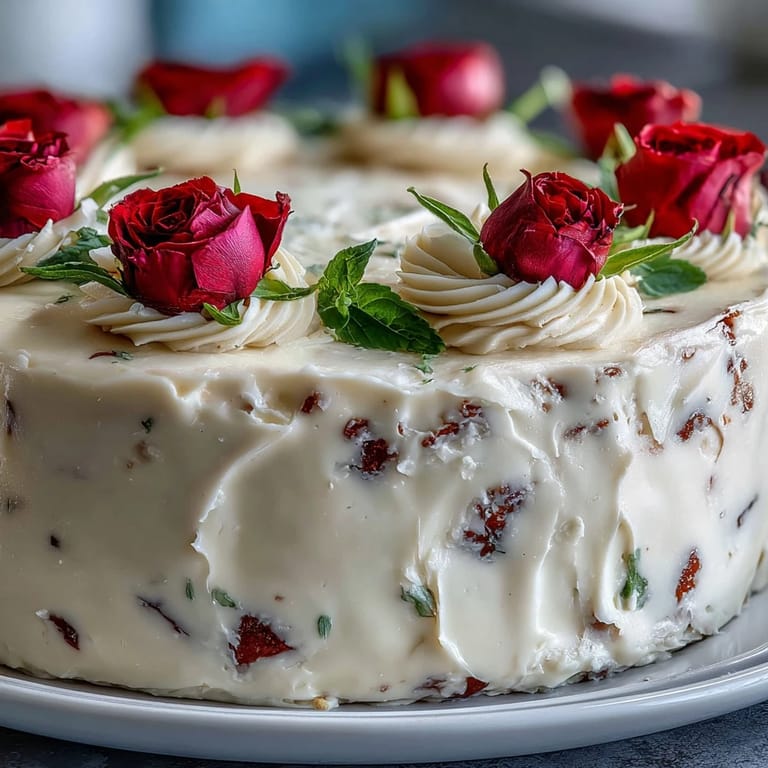
- Fit piping bags with petal tips and fill with colored buttercream; starting from the center of each rose, squeeze in a spiral motion, rotating the bag slightly with each loop. It takes practice, but even lopsided roses charm people more than you'd expect.
- Add leaves and details:
- Switch to a leaf tip and pipe small green leaves around the roses for depth and interest. Finish with a round tip to write a personalized message in a contrasting color, making the cake uniquely celebratory.
 Save
Save The night before my cousin's graduation party, I realized my piping bag had torn halfway through the roses, and I had to start over. Instead of panicking, I laughed at myself, made fresh buttercream, and finished the job with a quieter kind of focus. When she cut into that cake the next day and everyone tasted how tender and perfect it was, she didn't care about my small disaster—she only remembered that someone cared enough to try.
The Art of Piping Roses Without Overthinking
Roses intimidated me until I realized they're just layers of buttercream squeezed in the right sequence. Start with a thick dot in the center, then spiral outward, overlapping each petal slightly so they build on each other. The beauty of this technique is that wobbles and imperfections look natural, like real flowers that aren't perfectly symmetrical.
Scaling and Storage Wisdom
A 12x18-inch sheet cake serves about 24 people, which is perfect for medium-sized celebrations. If your crowd is smaller, you can halve the recipe and use a 9x13-inch pan, reducing bake time by about 5-10 minutes. Covered at room temperature, this cake stays fresh for two days; refrigerated, it lasts five days and actually tastes more moist the next day as flavors settle.
Variations and Flavor Swaps
If chocolate calls to you, swap ¾ cup of flour for ¾ cup unsweetened cocoa powder to create a subtle chocolate base that doesn't overpower the vanilla buttercream. You can also infuse the cake with lemon zest or almond extract for a lighter feel, or add a tablespoon of espresso powder to deepen vanilla notes without making it taste like coffee. The buttercream is endlessly customizable—swap vanilla for almond extract, or add a splash of fruit puree for subtle flavoring.
- Gel food coloring beats liquid every time because it won't thin your buttercream or make colors muddy.
- If you want an ombre effect, mix colors in gradients so roses flow from light to dark across the cake.
- Practice piping on parchment paper with leftover buttercream before you touch the actual cake.
 Save
Save This cake isn't about perfection—it's about marking a moment worth celebrating with something beautiful you made with your hands. Whoever gets to enjoy this knows they mattered enough for you to learn something new.
Recipe FAQs
- → What flour type is best for this cake?
All-purpose flour ensures a balanced texture, providing the right rise and crumb for a soft sheet cake.
- → How can I achieve vibrant buttercream roses?
Use gel food coloring as it delivers bright, concentrated colors without thinning the buttercream consistency.
- → What is the ideal baking temperature and time?
Bake at 350°F (175°C) for 30-35 minutes until a toothpick comes out clean, ensuring a moist interior.
- → How should I store the decorated cake?
Keep the cake covered at room temperature for up to 2 days or refrigerate for up to 5 days to maintain freshness.
- → Can I make a chocolate variation?
Yes, substitute ¾ cup of flour with ¾ cup unsweetened cocoa powder for a rich chocolate flavor.
- → What piping tips are recommended for decorating?
Use petal tips for roses, leaf tips for greenery, and small round tips for messages and fine details.