 Save
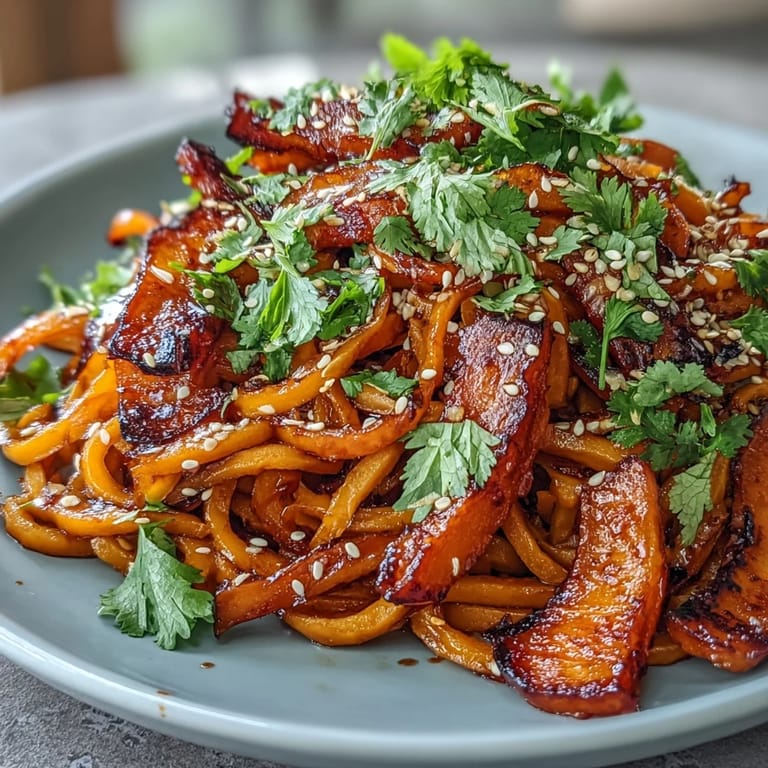
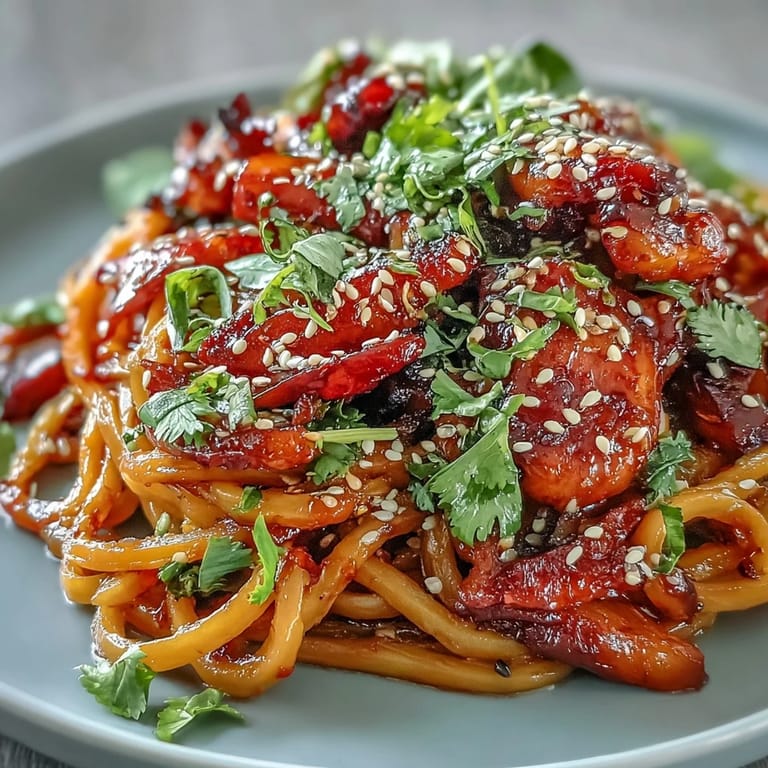
Save I was standing in the produce aisle, staring at a swede someone had left in my cart by mistake, when I decided to just go with it. I'd never cooked with one before, but that night I had a jar of gochujang in the fridge and a weird urge to experiment. What came out of my oven was a tangle of caramelized ribbons that tasted like the best kind of accident. I tossed them with rice noodles and a quick spicy-sweet dressing, and suddenly I had a dish that felt like it had always existed. Now I buy swede on purpose.
The first time I made this for friends, I wasn't sure how they'd react to swede noodles. One of them picked up a ribbon with her chopsticks, tasted it, and said it reminded her of something her grandmother used to make, but spicier. We ended up sitting at the table longer than usual, talking about childhood dinners and how food surprises you when you least expect it. That night, this dish stopped being an experiment and started being something I made when I wanted to feel connected.
Ingredients
- Swede (rutabaga): The star here, it roasts beautifully into sweet, caramelized ribbons that soak up the dressing like a dream.
- Rice noodles: They stay light and slippery, letting the swede and sauce do the talking without weighing anything down.
- Gochujang: This Korean chili paste brings heat, sweetness, and umami all at once, and a little goes a long way.
- Maple syrup: It balances the gochujang's fire with a mellow sweetness that doesn't taste cloying.
- Soy sauce: Adds that salty, savory depth that ties everything together.
- Toasted sesame oil: A few drops give the whole dish a nutty, roasted aroma that makes your kitchen smell incredible.
- Garlic and ginger: Freshly grated, they add a sharp, bright backbone to the dressing.
- Spring onions: Thinly sliced, they bring a mild bite and a pop of green.
- Sesame seeds: Toasted until golden, they add crunch and a subtle richness.
- Fresh cilantro: A handful on top makes everything feel fresher and more vibrant.
Tired of Takeout? 🥡
Get 10 meals you can make faster than delivery arrives. Seriously.
One email. No spam. Unsubscribe anytime.
Instructions
- Get the oven ready:
- Preheat your oven to 220°C (425°F) so it's blazing hot and ready to caramelize those swede ribbons. This high heat is what gives them those crispy, golden edges.
- Prep and roast the swede:
- Toss your swede ribbons with vegetable oil, salt, and pepper, then spread them out on a baking sheet in a single layer. Roast for 25 to 30 minutes, flipping them halfway through, until they're tender and starting to char at the edges.
- Cook the noodles:
- While the swede roasts, cook your rice noodles according to the package directions. Drain them, rinse under cold water to stop the cooking, and set them aside so they don't stick together.
- Make the dressing:
- In a bowl, whisk together the gochujang, soy sauce, maple syrup, rice vinegar, sesame oil, garlic, ginger, and chili flakes if you're using them. Add water a tablespoon at a time until the dressing is smooth and pourable.
- Toss everything together:
- In a large mixing bowl, combine the roasted swede, cooked noodles, spring onions, carrot, and bean sprouts if you're adding them. Pour the gochujang dressing over everything and toss gently until every strand and ribbon is coated.
- Serve and garnish:
- Divide the noodles among bowls, then sprinkle with toasted sesame seeds and fresh cilantro. Serve immediately while everything is still warm and glossy.
 Save
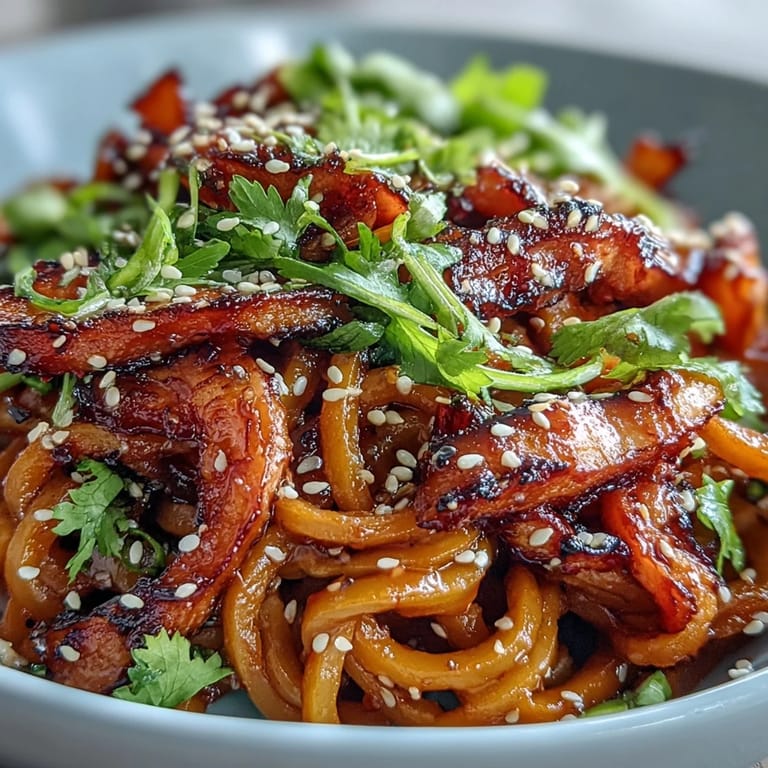
Save I remember making this on a rainy Tuesday when I had no plans and nowhere to be. The smell of roasting swede filled the apartment, and I ate my bowl curled up on the couch with a book. It wasn't a special occasion, but it felt like one anyway. Sometimes the best meals are the ones you make just for yourself, with no pressure and no audience.
How to Get the Swede Just Right
Cutting the swede into ribbons might feel fiddly at first, but it's worth it. I use a vegetable peeler for wide, thin strips, or a mandoline if I'm feeling precise. The thinner they are, the faster they roast and the more dressing they soak up. If you end up with some thicker pieces, don't worry, they'll just stay a bit more toothsome and add texture. The key is to spread them out so they have room to breathe and crisp up instead of steaming in a pile.
Adjusting the Heat and Sweetness
The first time I made this, I went heavy on the gochujang and light on the maple syrup, and it was almost too spicy for me to finish. Now I start conservative and taste as I go. If you like things mild, stick to three tablespoons of gochujang and bump up the maple syrup to three tablespoons too. If you want it fiery, add the chili flakes and maybe a splash more vinegar to balance the heat. The dressing should taste bold on its own, because it mellows when it hits the noodles and vegetables.
Serving and Storing
This dish is best eaten fresh, right after you toss everything together, when the swede is still warm and the noodles are slick with dressing. That said, leftovers keep in the fridge for up to two days, though the noodles will soak up more sauce and soften a bit. I like to reheat mine gently in a pan with a splash of water, and sometimes I'll add a fried egg on top for breakfast. It's one of those dishes that changes mood depending on when you eat it.
- Add crispy tofu or edamame if you want more protein and staying power.
- Try it cold as a noodle salad on a hot day, it's surprisingly refreshing.
- Swap the cilantro for Thai basil or mint if you want a different herbal note.
 Save
Save I hope this becomes one of those recipes you turn to when you want something different but not difficult. It's proof that you don't need fancy ingredients to make something that feels special.
Recipe FAQs
- → Can I use a different vegetable instead of swede?
Yes, you can substitute with parsnips, butternut squash, or even zucchini ribbons. Adjust roasting time based on the vegetable's density and water content.
- → How spicy is this dish?
The spice level is moderate and comes from gochujang. You can reduce the amount or skip the optional chili flakes for a milder version, or add more for extra heat.
- → Can I make this ahead of time?
Yes, roast the swede and prepare the dressing in advance. Store separately and toss with freshly cooked noodles just before serving for best texture.
- → What can I use instead of gochujang?
While gochujang provides unique flavor, you can substitute with sriracha mixed with a bit of miso paste, or use another fermented chili paste. The taste will differ but still be delicious.
- → How do I cut swede into ribbons?
Use a vegetable peeler for wide ribbons or a mandoline for thin, even strips. You can also julienne it by hand with a sharp knife for noodle-like pieces.
- → Is this dish gluten-free?
It can be! Use tamari instead of soy sauce and check that your gochujang is certified gluten-free, as some brands contain wheat or barley.