 Save
Save My grandmother always said the secret to good frikadeller was in the milk—it keeps them tender, she'd insist, stirring the mixture with a wooden spoon worn smooth from decades of use. I watched her shape them with wet hands one winter afternoon, the kitchen warm and smelling of butter and allspice, and realized these weren't fancy or complicated, just honest Danish comfort that somehow tasted like home. The first time I made them myself, I was nervous about getting the texture right, but the moment they hit the hot pan and started to brown, I understood what she meant. Now whenever I make a batch, I find myself moving through the steps the same way she did, and it feels like cooking with her all over again.
I remember making these for a small dinner party and panicking when two guests arrived early while I was still shaping meatballs with wet hands, flour dusting my apron. By the time they settled in with wine, the frikadeller were golden and sizzling, and somehow that slight chaos made the meal feel more genuine—like we were all just hanging out and eating real food instead of performing dinner. My friend went back for thirds and asked for the recipe, but I think what she loved most was the moment we shared, all of us gathered around as they came hot from the pan.
Ingredients
- Ground pork (500 g): The backbone of frikadeller—use good quality if you can, and don't be afraid of a mix with veal if you want something leaner.
- Onion, finely grated (1 small): Grating rather than mincing creates a paste that distributes moisture evenly and keeps things tender.
- Egg (1): The binder that holds everything together without making them dense or rubbery.
- Whole milk (100 ml): This is what my grandmother meant—it's the magic that keeps them from drying out as they cook.
- Breadcrumbs (60 g): They absorb the milk and create a light, delicate crumb structure; stale bread works better than fresh.
- Salt (1 tsp) and black pepper (½ tsp): Season generously because the dairy and breadcrumbs will mute flavors slightly.
- Ground allspice (½ tsp, optional): This is the Danish touch—warm, slightly sweet, and unmistakable if you've ever tasted authentic frikadeller.
- Unsalted butter (2 tbsp) and neutral oil (1 tbsp): The combo of butter and oil prevents burning while giving you that golden, nutty crust.
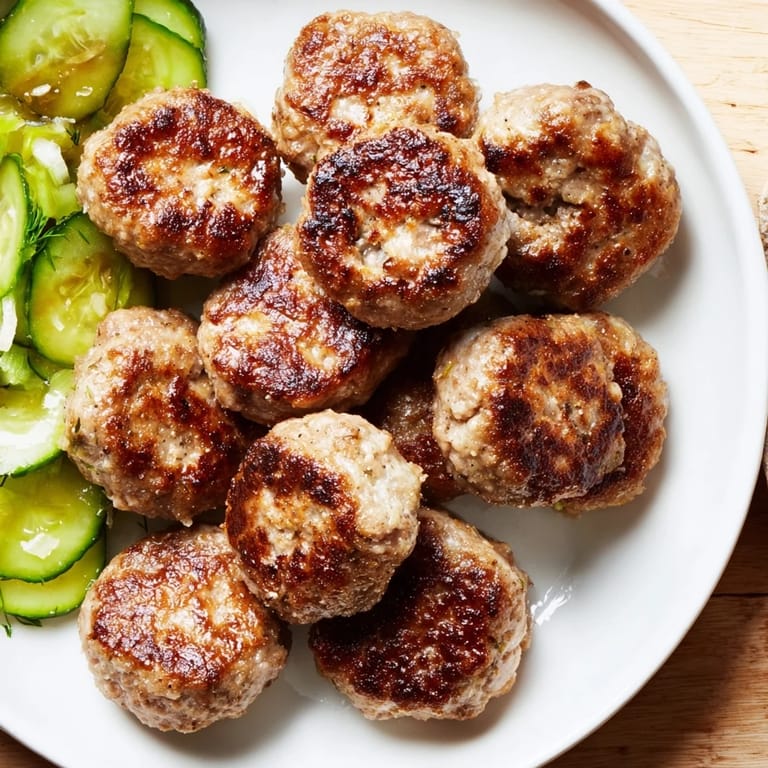
- Danish pickles: Tangy and crisp, they're not just a side but a necessary contrast that makes every bite better.
Tired of Takeout? 🥡
Get 10 meals you can make faster than delivery arrives. Seriously.
One email. No spam. Unsubscribe anytime.
Instructions
- Mix the base:
- Combine the pork, grated onion, egg, milk, breadcrumbs, salt, pepper, and allspice in a large bowl and stir until everything is evenly distributed and the mixture looks slightly sticky and cohesive. This is when you'll notice how the onion's moisture transforms the breadcrumbs into something almost creamy.
- Let it rest:
- Wait 10 minutes and you'll see the breadcrumbs fully absorb the milk, thickening the mixture to the right consistency. This step saves you from tough meatballs later on.
- Shape with wet hands:
- Wet your hands and shape the mixture into 12–14 oval or round meatballs, each about the size of a golf ball. If the mixture sticks, just dip your hands in water again—wet hands are your friend here.
- Heat the pan:
- Warm the butter and oil together over medium heat until the butter foams slightly and the oil shimmers. This temperature is crucial—too hot and they'll brown before cooking through, too cool and they'll absorb oil instead of developing a crust.
- Fry until golden:
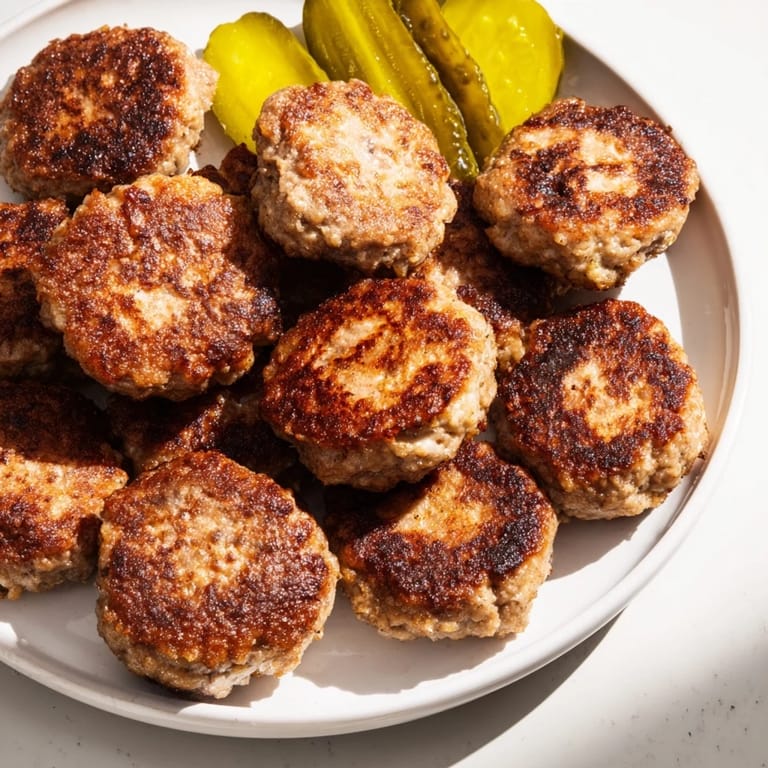
- Working in batches so you don't crowd the pan, place the meatballs in and gently flatten them slightly with your spatula as they cook. Fry for 4–5 minutes per side, listening for that steady sizzle that tells you they're developing a proper crust, until they're deep golden brown and cooked through.
- Drain and serve:
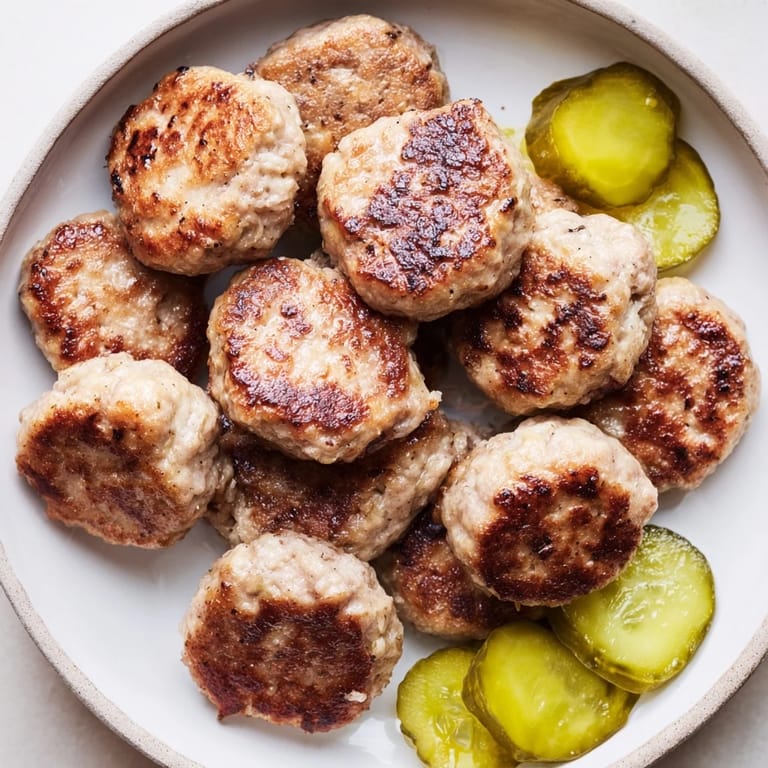
- Transfer them to a plate lined with paper towels to absorb excess oil, then serve hot with pickles and rye bread or potatoes if you like.
 Save
Save There's something almost meditative about the rhythm of cooking frikadeller—the soft thud of the spatula as you gently press each meatball, the steady hiss from the pan, and that moment when you flip one over and see it's gone from pale to burnished gold. I remember standing at my stove one evening, shoulders finally relaxing after a long week, and realizing that these simple meatballs had become my favorite kind of cooking—the kind that asks nothing of you except presence and a little butter.
The Danish Connection
Frikadeller are comfort food in Denmark in a way that's almost beyond description—they show up at family tables, at school lunches, at casual gatherings, and nobody questions why. They're not trying to impress anyone; they just exist in that perfect space where food tastes good, comes together quickly, and somehow feels like it matters. Knowing this context changed how I cook them, because I stopped trying to make them fancy and just focused on making them right.
Texture and the Science of Resting
The reason these stay tender instead of turning into dense hockey pucks is partly the milk and partly that resting period, which sounds like a small thing until you compare two batches side by side. The breadcrumbs need time to fully hydrate and distribute moisture throughout the meat, and if you skip it, you end up with a drier result that never quite reaches that juicy, yielding bite. I learned to think of it like letting dough rise—not fancy, just necessary.
Serving and Storage
Frikadeller are best served hot straight from the pan, crispy outside and steaming inside, but they're also remarkably good at room temperature if you're making them ahead for a casual meal. They keep in the refrigerator for three or four days and can be gently reheated in a low oven without falling apart, which makes them practical for meal prep or feeding a crowd.
- Serve alongside thick slices of rye bread, pickled cucumber, or pickled beetroot for the traditional Danish way.
- Creamy potato salad or a simple red cabbage slaw balances the richness and rounds out the meal.
- If you're planning to freeze them, do it on a sheet tray first, then transfer to bags—this way they won't stick together into an unsalvageable block.
 Save
Save Every time I make frikadeller now, I think about my grandmother's hands shaping them, the kitchen filling with butter and allspice, and how food becomes a way of keeping people close. These meatballs are proof that the best meals don't need to be complicated—they just need to be made with care.
Recipe FAQs
- → What type of meat is best for these meatballs?
Ground pork is traditional, but mixing pork with veal can lighten the texture and add subtle flavor variation.
- → Why should the meat mixture rest before shaping?
Resting allows the breadcrumbs to absorb moisture, helping the mixture bind better and resulting in tender meatballs.
- → What frying fats are recommended?
A combination of unsalted butter and neutral oil like canola or sunflower provides a flavorful, non-burning frying medium for even browning.
- → How can I tell when the meatballs are cooked through?
Cook for 4–5 minutes per side until golden and firm to the touch, ensuring they are fully cooked internally.
- → What side dishes pair well with these meatballs?
Traditional accompaniments include tangy Danish pickles, rye bread, boiled potatoes, creamy potato salad, or red cabbage for added comfort.