 Save
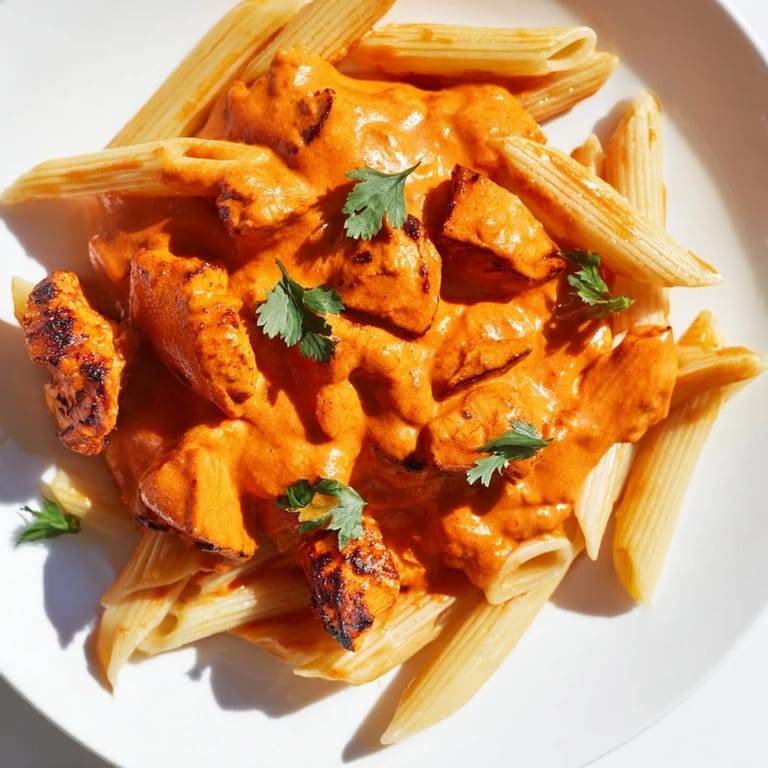
Save My neighbor knocked on my door one evening holding a takeout container, half-laughing about a restaurant mix-up that left her with chicken tikka and plain pasta instead of biryani. We stared at the two sad containers, then looked at each other with the same wild idea. Twenty minutes later, we had created something neither of us expected to love as much as we did. That accidental fusion became my most-requested dinner, the kind people text me about weeks later asking when I'll make it again.
I made this for a potluck where everyone else brought traditional dishes, and I watched nervously as people hesitated before taking a bite. The room went quiet for a second, then someone said it tasted like the best parts of two continents having a conversation. By the end of the night, three people had photographed the empty dish and asked me to write down what I did. That was the moment I realized some recipes don't need heritage or tradition to feel meaningful, they just need to make people happy.
Ingredients
- Boneless chicken breast or thigh (500 g): Thighs stay juicier and handle the double cooking better, but breasts work if you don't overcook them.
- Plain yogurt (120 g): The yogurt tenderizes the chicken and adds tang that cuts through the cream later, use full-fat for the best texture.
- Lemon juice (2 tbsp): Freshly squeezed makes a noticeable difference, bottled lemon juice tastes flat against the warm spices.
- Garlic and ginger (2 cloves, 1 tbsp grated): Always use fresh for the marinade, the paste versions don't have the same bright punch.
- Garam masala (1½ tsp for chicken, 1 tsp for sauce): This is your flavor anchor, buy a good blend or make your own if you can.
- Ground cumin and coriander (1 tsp each): These build the earthy base that makes the dish feel grounded instead of just spicy.
- Paprika (1 tsp): Adds color and a subtle sweetness, smoked paprika works too if you want a deeper layer.
- Chili powder (½ tsp for chicken, ½ tsp for sauce): Start conservative, you can always add heat at the table but you can't take it away.
- Penne pasta (300 g): The tubes catch the sauce beautifully, but rigatoni or even shells work if that's what you have.
- Butter (1½ tbsp): Adds richness to the sauce base that oil alone can't replicate.
- Onion (1 medium, finely chopped): Cook it until truly soft and sweet, rushed onions taste sharp and ruin the sauce.
- Canned crushed tomatoes (400 g): San Marzano if possible, but any good quality crushed tomatoes work better than fresh in this context.
- Tomato paste (2 tbsp): Concentrates the tomato flavor and thickens the sauce, don't skip it or the sauce stays thin.
- Sugar (1 tsp): Balances the acidity of the tomatoes, you won't taste sweetness but you'll notice if it's missing.
- Double cream and whole milk (120 ml, 60 ml): The combination gives you richness without making the sauce too heavy or greasy.
- Fresh cilantro (2 tbsp, chopped): The final brightness that pulls everything together, dried herbs won't do the same job here.
Tired of Takeout? 🥡
Get 10 meals you can make faster than delivery arrives. Seriously.
One email. No spam. Unsubscribe anytime.
Instructions
- Marinate the chicken:
- Mix yogurt, lemon juice, garlic, ginger, and all the spices with the oil until smooth, then coat the chicken pieces completely. If you can marinate overnight, the flavors penetrate deeper and the chicken becomes incredibly tender.
- Cook the chicken tikka:
- Spread the marinated pieces on a lined tray or hot grill pan, giving them space so they char rather than steam. Roast or grill until the edges blacken slightly and the chicken is just cooked through, about 10 to 12 minutes.
- Boil the pasta:
- Salt your pasta water generously, it should taste like the sea. Cook the penne until al dente, then drain and set aside, don't rinse or the sauce won't cling properly.
- Build the sauce base:
- Melt butter in a large skillet and cook the onion slowly until soft and golden, then add garlic and let it sizzle for a minute. Rushed onions make the whole sauce taste raw and harsh.
- Simmer the tomato sauce:
- Stir in crushed tomatoes, tomato paste, sugar, and spices, letting everything bubble gently for 8 to 10 minutes. The sauce should thicken and darken slightly as the flavors concentrate.
- Add the cream:
- Pour in the cream and milk, season with salt and pepper, then simmer for 2 minutes until smooth and silky. Taste now and adjust the seasoning before adding anything else.
- Combine everything:
- Toss the chicken tikka pieces and cooked pasta into the sauce, stirring gently so every piece gets coated. Let it sit on low heat for a minute so the pasta absorbs some sauce.
- Garnish and serve:
- Scatter fresh cilantro over the top and serve immediately while everything is hot and glossy. The cilantro adds a fresh note that keeps the dish from feeling too rich.
 Save
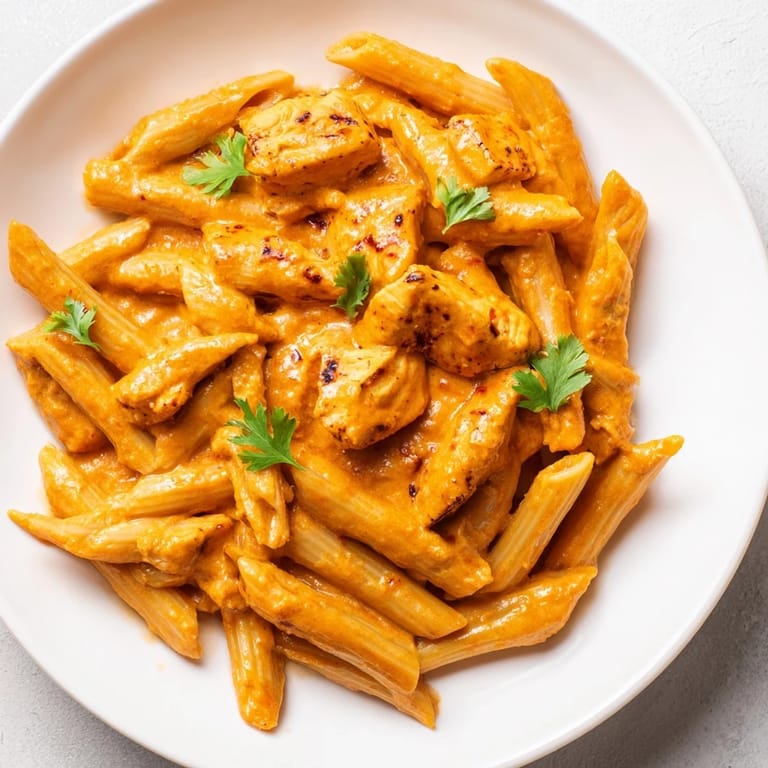
Save My friend who claims she doesn't like spicy food ate two full bowls of this and asked why it didn't burn her mouth. I realized the cream and pasta dilute the heat just enough to let the flavors shine without overwhelming anyone. Now she requests it for her birthday every year, and I've stopped trying to make it spicier because sometimes the perfect balance is more important than proving you can handle heat. It taught me that fusion isn't about showing off, it's about making something more people can enjoy together.
Adjusting the Heat Level
The chili powder in both the marinade and sauce gives you two chances to control the spice, and I've learned to start mild and let people add heat at the table. My brother dumps red pepper flakes on his portion while my mom eats hers as-is, and both are happy. If you want more warmth without aggressive heat, add an extra half teaspoon of garam masala instead of more chili powder. The cream mellows everything significantly, so if you taste the sauce before adding it and panic, remember it will calm down once the dairy goes in.
Choosing Your Pasta Shape
Penne is classic because the sauce gets trapped inside the tubes, but I've made this with rigatoni, fusilli, and even broken lasagna sheets when I ran out of everything else. The key is picking a shape with texture or ridges so the sauce clings instead of sliding off into the bowl. Smooth pasta like regular spaghetti doesn't work as well here because the creamy sauce needs something to grab onto. I once used shells and the little pockets filled with sauce were almost too good, everyone fought over the last few bites.
Making It Ahead and Storing Leftovers
You can marinate the chicken up to 24 hours ahead and even cook it earlier in the day, then just reheat it gently in the sauce when you're ready to eat. The full dish keeps in the fridge for three days and reheats beautifully, though you may need to add a splash of milk to loosen the sauce. I actually prefer leftovers because the pasta continues soaking up the spiced cream overnight, making every bite even more flavorful. Freeze individual portions in airtight containers for up to two months, then thaw and reheat with a little extra cream stirred in.
- Reheat gently on the stove with a splash of milk or cream to restore the silky texture.
- Don't microwave on high or the cream can separate and the chicken gets rubbery.
- Garnish with fresh cilantro after reheating, not before storing, so it stays bright and fragrant.
 Save
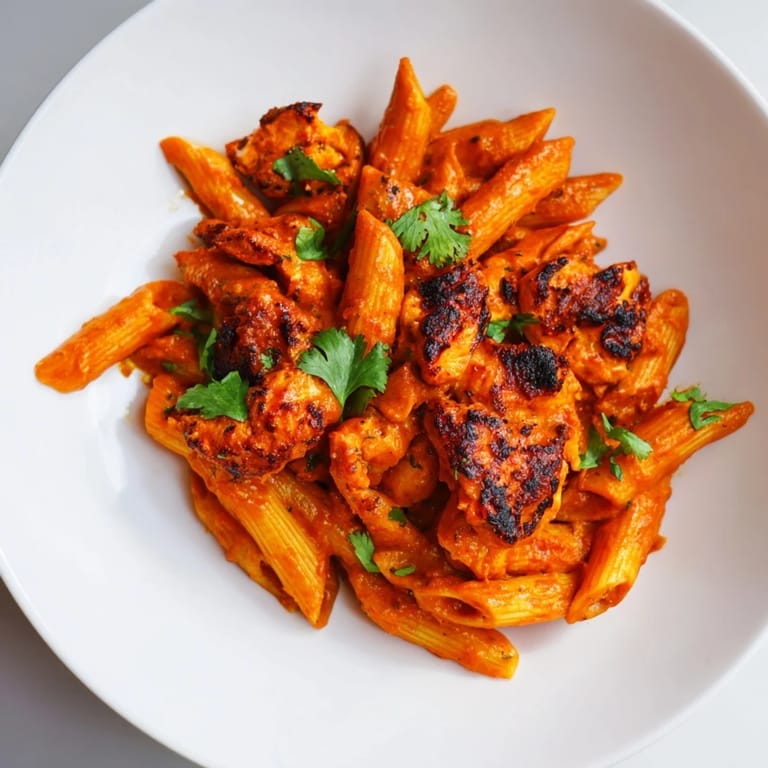
Save This dish reminds me that the best recipes often come from happy accidents and the willingness to try something that sounds a little strange on paper. Whether you make it for a quiet Tuesday or a table full of curious friends, it delivers comfort and excitement in equal measure.
Recipe FAQs
- → Can I marinate the chicken ahead of time?
Yes, absolutely. Marinating overnight enhances the depth of flavor significantly. Simply prepare the yogurt mixture with spices, coat the chicken, cover, and refrigerate for up to 24 hours before cooking.
- → What's the best way to cook the chicken tikka?
For authentic charring and flavor, roasting in a preheated 220°C oven or using a grill pan over medium-high heat works best. This gives you tender meat with slightly charred edges, traditionally associated with tandoori cooking.
- → Can I adjust the spice level?
Absolutely. Start with the suggested chili powder amount and add more cayenne or fresh green chilies to taste. You can also reduce garam masala slightly if you prefer milder flavors. Taste the sauce before serving to adjust.
- → What pasta shapes work well with this sauce?
Penne is ideal for catching the creamy sauce, but fusilli, rigatoni, or even fettuccine work beautifully. Choose shapes with ridges or curves that hold the sauce well.
- → How do I make this lighter without compromising flavor?
Replace double cream with half-and-half or evaporated milk for a lighter version. You can also reduce the butter slightly or use Greek yogurt in place of some cream for added tang and reduced fat.
- → What sides pair well with this dish?
Garlic naan is a natural pairing that ties the fusion theme together. A crisp green salad with a sharp dressing balances the richness. Cucumber raita also complements the spiced sauce beautifully.