 Save
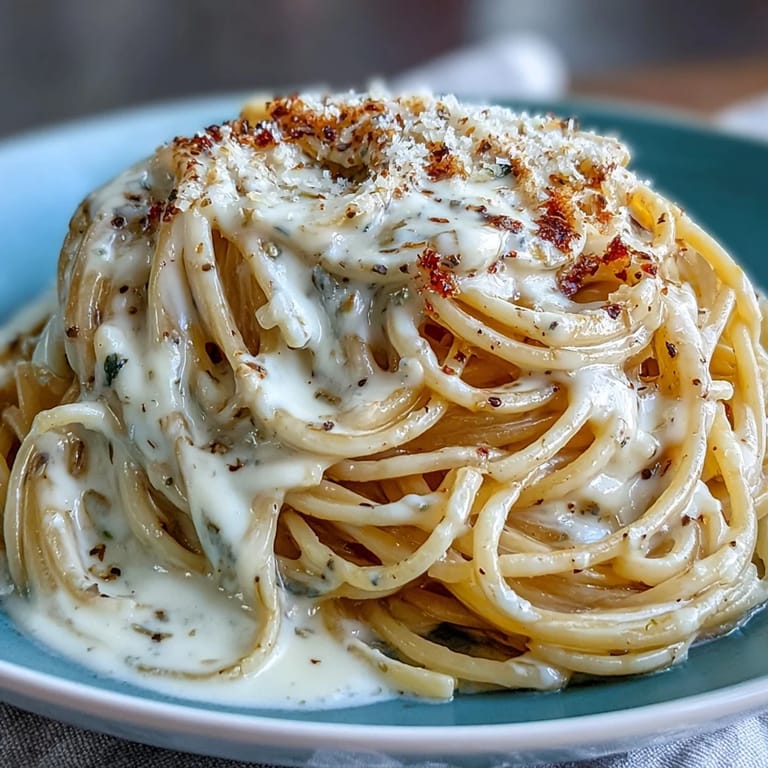
Save My neighbor Marco showed me this recipe on a Tuesday night when I mentioned I had nothing but pasta and cheese at home. He laughed and said that's all you need if you have the right cheese and know how to treat the pepper. We stood in my kitchen while he demonstrated, and I watched him toast those peppercorns like they were something precious. The smell filled the room instantly, sharp and warm at the same time. That's when I realized simplicity isn't about having less, it's about knowing exactly what matters.
The first time I made this for friends, I was nervous because it seemed too simple to impress anyone. But when I brought the bowls to the table, the smell of toasted pepper and melted Pecorino stopped the conversation mid-sentence. Everyone took a bite at the same time, and there was this quiet moment before someone said, this is exactly what pasta should taste like. I've made it dozens of times since, and it never fails to do that same thing.
Ingredients
- Spaghetti or tonnarelli: The pasta is the canvas here, and you want something that holds the sauce in its ridges and curves, so tonnarelli is traditional but spaghetti works beautifully if that's what you have.
- Pecorino Romano cheese: This is the soul of the dish, salty and sharp and nutty, and you must grate it fresh because the pre-shredded stuff has coatings that prevent it from melting into that silky sauce.
- Whole black peppercorns: Toasting them whole and cracking them fresh releases oils you didn't know were there, turning pepper from a background player into a starring role.
- Kosher salt: For the pasta water, which becomes part of the sauce, so don't skip salting it generously.
- Unsalted butter: This is optional and not traditional, but it adds a little extra richness and helps the sauce come together if you're still learning the technique.
Tired of Takeout? 🥡
Get 10 meals you can make faster than delivery arrives. Seriously.
One email. No spam. Unsubscribe anytime.
Instructions
- Boil the pasta:
- Bring a large pot of water to a rolling boil, salt it well, and cook your spaghetti until it's just shy of done, about a minute less than the package says. Before you drain it, scoop out at least a cup and a half of that starchy water because that's what makes the sauce cling and turn creamy.
- Toast the pepper:
- While the pasta bubbles away, heat a dry skillet over medium and add your cracked peppercorns, shaking the pan gently until they smell toasted and almost smoky. It only takes a minute, but that step changes everything.
- Build the base:
- Pour a cup of the reserved pasta water into the skillet with the toasted pepper and lower the heat. This creates the foundation of your sauce, peppery and starchy and ready to embrace the cheese.
- Toss the pasta:
- Add the drained spaghetti to the skillet and toss it around so it soaks up some of that peppery water. You want the pasta to drink in the flavor and start to thicken the liquid just a bit.
- Add the cheese:
- Take the skillet off the heat and start sprinkling in the Pecorino, tossing constantly and vigorously like you're trying to wake it up. Add more pasta water a splash at a time if it gets too tight, and keep tossing until it turns glossy and creamy.
- Finish and serve:
- If you're using butter, toss it in now and stir until it melts into the sauce. Serve immediately in warm bowls, topped with extra cheese and more cracked pepper, because this dish waits for no one.
 Save
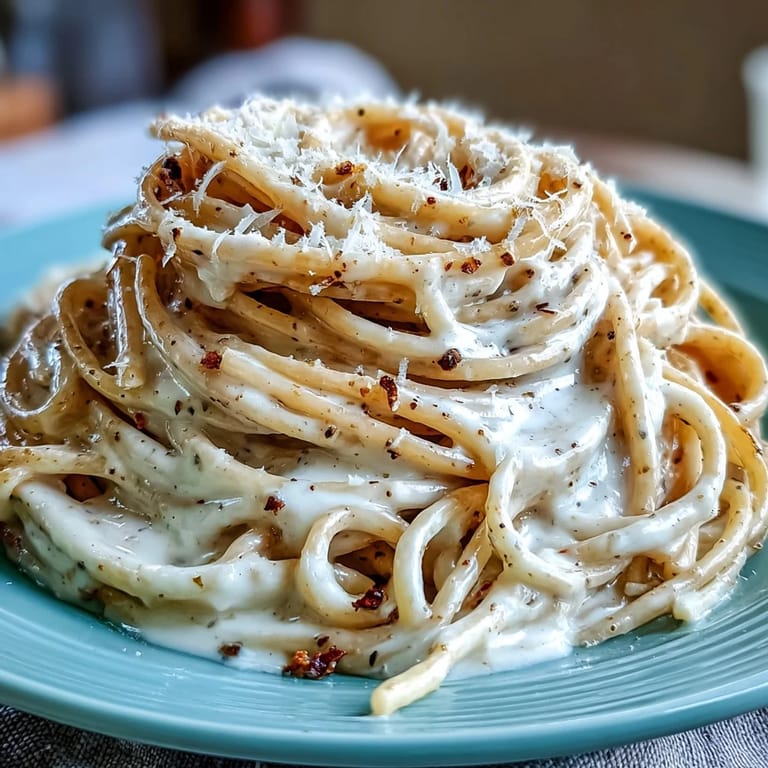
Save One night I made this after a long day, and I wasn't even hungry, just tired. But standing there tossing the pasta, watching the sauce come together in the pan, I felt something shift. The rhythm of it, the smell, the way something so simple could still surprise me, it reminded me why I cook in the first place. By the time I sat down to eat, I wasn't tired anymore.
Choosing Your Pasta
Tonnarelli is the traditional choice in Rome, thicker and more toothsome than spaghetti, with square edges that grab onto the sauce. But spaghetti is easier to find and works just as well, especially if you cook it properly and don't overdrain it. I've also used bucatini when I wanted something with more chew, and it was excellent. Whatever you choose, make sure it's good quality pasta that can hold its shape and absorb the flavors without turning mushy.
Getting the Sauce Right
The sauce in Cacio e Pepe isn't really a sauce in the traditional sense, it's an emulsion of starchy pasta water and finely grated cheese that clings to every strand. The key is temperature and motion: too hot and the cheese seizes, too cool and it won't melt. I learned to take the pan off the heat completely before adding cheese, then toss like my life depends on it. The first few times it might break or look too loose, but once you get the feel for it, you'll know exactly when it's right just by looking at the way the pasta glistens.
Serving and Pairing
This dish is best eaten immediately, straight from the pan if you're alone or in warm bowls if you're sharing. It doesn't reheat well because the sauce tightens and loses that creamy texture, so make only what you'll eat. I like to serve it with a crisp white wine, something light and acidic like Frascati or Verdicchio, which cuts through the richness of the cheese.
- Have extra grated Pecorino and cracked pepper at the table so people can adjust to their taste.
- Warm your serving bowls in the oven for a few minutes before plating, it keeps the pasta from cooling too quickly.
- If you have leftovers, toss them with a beaten egg the next morning and fry them into a pasta frittata, it's a completely different dish but equally delicious.
 Save
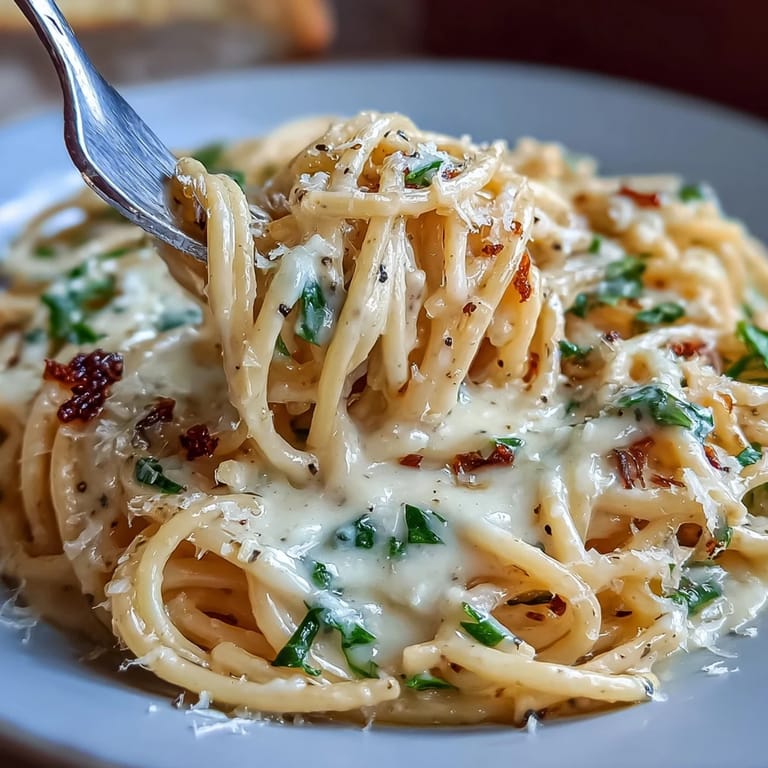
Save Now when I make Cacio e Pepe, I don't think about the steps anymore, my hands just know what to do. It's become one of those dishes that feels like home, no matter where I am or what kind of day I've had.
Recipe FAQs
- → Why does my cheese clump instead of creating a smooth sauce?
Clumping occurs when cheese meets excessive heat. Remove the pan from heat before adding Pecorino Romano and add it gradually while tossing vigorously. The residual heat and starchy pasta water will melt the cheese smoothly. Use freshly grated cheese, as pre-shredded varieties contain anti-caking agents that prevent proper melting.
- → Can I substitute Parmesan for Pecorino Romano?
While Parmesan can work in a pinch, Pecorino Romano is essential for authentic flavor. Pecorino has a sharper, saltier taste from sheep's milk that defines true Cacio e Pepe. Parmesan is milder and made from cow's milk, resulting in a different flavor profile.
- → What type of pasta works best for this dish?
Tonnarelli is the traditional choice in Rome, but spaghetti is the most common alternative. Long pasta shapes work best because they capture the sauce effectively. Avoid short pasta shapes, as the creamy coating adheres better to long strands.
- → How much pasta water should I reserve?
Reserve at least 1½ cups of pasta cooking water. This starchy liquid is crucial for emulsifying the cheese into a creamy sauce. Start with 1 cup in the pan, then add more gradually if needed to achieve the right consistency.
- → Should I toast the black peppercorns?
Yes, toasting whole peppercorns after cracking them releases their essential oils and intensifies their flavor. Heat them in a dry skillet for about 1 minute until fragrant, being careful not to burn them, which would create bitterness.
- → Why is my sauce watery instead of creamy?
A watery sauce indicates too much pasta water or insufficient cheese. Add Pecorino gradually while tossing constantly, allowing each addition to incorporate before adding more. The starch in the water combined with the cheese creates the creamy texture through emulsification.